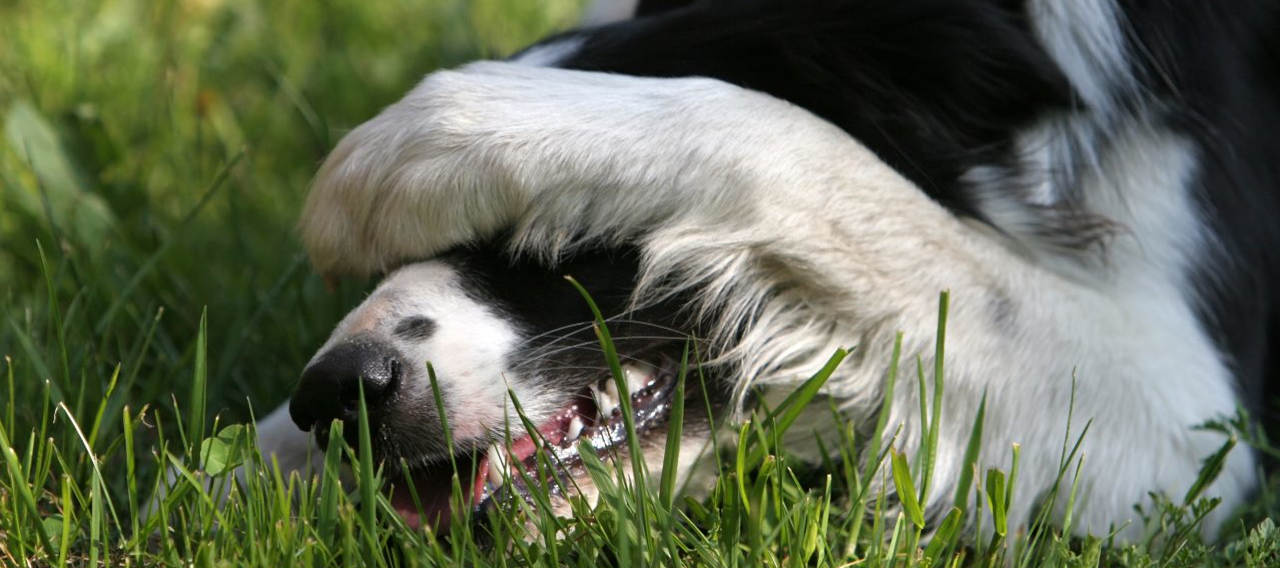
Brushing your pet's teeth can greatly reduce their chance of developing painful mouth-related diseases like gum disease and cavities. Image via www.localpethealth.com.
Keeping your cat or dog in good health can have numerous benefits, the most obvious of which is lower or nonexistent vet bills! Some surgeries may be expensive but necessary to repair torn muscles or ligaments; this can put a pet parent in an unpleasant situation – your pet versus your wallet. Fortunately, there are many preventative measures you can take to ensure the continuing wellness of both your bank account and your furry companion.
Maintain a healthy weight. According to one pet insurance company, in 2009 policyholders filed over $17 million in obesity-related claims. In the United States, 93 million cats and dogs are overweight or obese – that’s 54% of all pets! If your cat or dog is obese, they’re at an increased risk for developing the following conditions:
- Diabetes
- Osteoarthritis
- Ligament and bone injuries
- Several types of cancer
- Decreased life expectancy – up to 2.5 years less
- Kidney disease
- Heart and respiratory disease
Brush your pet’s teeth regularly. Taking care of your canine’s canines can help prevent nasty tooth-related illnesses like cavities, ulcers, painful inflammation, gum disease, and abscesses. Daily dental care for both dogs and cats is highly recommended. Getting your pet used to the procedure is the hardest step, but once you develop a routine it becomes no trouble at all! Here are some steps to decrease your pet’s risk of developing tooth-related conditions:
- Feed your pet dry, hard food. Dry food is less likely to get stuck in crevices between teeth. There are veterinary dentist-recommended foods that also help keep your pet’s chompers clean.
- Use “toothbrush” treats. There are many types of dog toys and treats that contain substances that clean the teeth as your pet chews on them. Avoid hard toys with an unforgiving surface – your pet could break, chip, or crack a tooth while chewing. Rawhide and rope toys are good options.
Protect your pet with vaccinations. Many illnesses are easily preventable nowadays with the plethora of preventative vaccines available. If you adopted your pet as a puppy or kitten, they should’ve been fully vaccinated. However, some inoculations require booster shots, so it’s best to schedule vet appointments yearly. FeLV (Feline Leukemia), FIV (Feline Immunodeficiency Virus), feline influenza, rabies, feline distemper, canine parvovirus, and hepatitis are all common vaccinations that you should highly consider providing for your pet. In the United States, some core vaccines are required by law, like rabies, so check with your vet.
Spay or neuter your dog or cat. Female pets who are spayed as young animals have lower risks of contracting breast cancer and uterine infections – diseases with survival rates of 50% in dogs and only 10% in cats. Male dogs and cats neutered before they’re six months old have a decreased risk of testicular cancer as well! Spaying and neutering pets can also prevent them from producing litters; puppies and kittens are expensive to care for, especially if you’re not planning on keeping the offspring. Overpopulation is caused by pet parents not spaying and neutering their pets – millions of pets are euthanized in shelters every year because they can’t find loving homes. Neutered male animals are also less likely to run away from home and display aggressive behaviors.
Your pet’s health is extremely important – a healthy pet is a happy pet! Keeping your dog or cat in prime physical condition with vaccinations, exercise, spaying/neutering, and dental care can also make your wallet happy. Veterinary care can be expensive and it’s always unfortunate when a pet parent is put into a situation where they’re forced to choose between their pet and their finances. Prevent this situation from arising and use our helpful tips to keep your dog or cat healthful!