

Learn how and why veterinary bills are increasing, and how a Healthy Paws plan can help.


Three rescues across North Carolina and Georgia received donations that made a big impact.

Make their food irresistible with the freshest nutritionally-balanced ingredients.
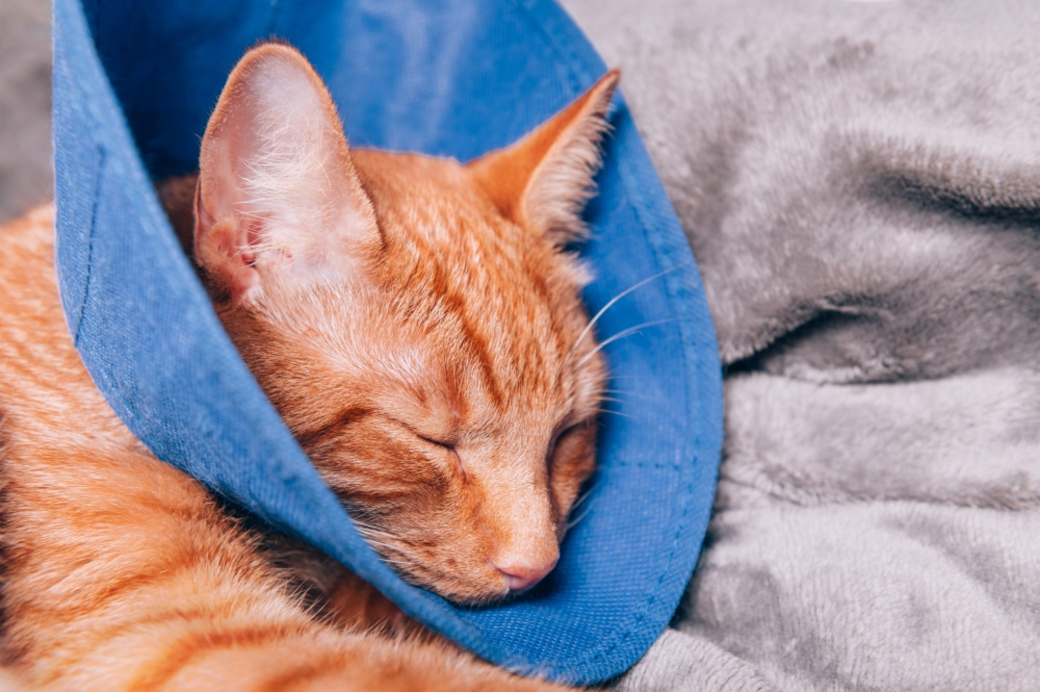
Table of Contents
Your new pet has just had its first surgery, and because you’re feeling a little stressed or overwhelmed by the situation, you may have forgotten the vet’s instructions. With an understanding of the basics, you can ensure your kitty has a safe and fast recovery. Complete recovery from surgery takes 10-14 days, and male recovery from a neuter surgery tends to be quicker than female spay recovery. With that said, here’s what to expect for the next two weeks.
Immediately after surgery
Your vet will keep your cat for a few hours after surgery to monitor them before they are allowed to go home. Many vets schedule these procedures early in the day for this reason. Depending on the situation, your veterinarian may opt to keep your cat overnight for monitoring.
Tell us about your pet - get a quick quote
The first 24 hours
Expect your kitty to feel groggy, dizzy, and uncoordinated as the anesthesia wears off. He or she may also feel frightened or confused. During this time your pet’s top priority is to rest, so give them a comfortable, stress-free environment in which to recover. Be sure to check in regularly to monitor for any problems.
Abnormal signs of recovery include:
- Bleeding
- Shivering
- Pale gums
- Vomiting
- Diarrhea
- Increased or decreased body temperature
- Labored breathing
If a problem arises at any time during recovery, contact your veterinarian or local emergency vet.
Food and water
Don’t feed your cat until the anesthesia has completely worn off. Your cat may not be interested in food or water right away, but this is normal. Make sure fresh water is available, and when he or she is ready to eat, you can provide a small amount of food. If your cat still isn’t eating by the third day after surgery, call your veterinarian.
Day 2 through 10
For the next 7-10 days, it’s important to keep activity low and encourage your cat to continue resting. If your kitty is a jumper or climber, try your best to keep them from getting back to their old habits just yet. You can resume feeding your cat their normal amount of food at this time. Take a peek at the wound each day to ensure it is healing properly. You may need to get a recovery collar or cone to prevent them from licking their wound.
To prevent any further complications and ensure a speedy recovery:
- Keep your cat indoors while he or she recovers to prevent the incision area from getting dirty or infected
- Isolate them from other pets
- Keep small children away from a recovering kitty
- Don’t bathe them or let the area get wet for at least 10 days after surgery
- And most importantly, never give human pain medication to your cat – this is dangerous and can even be fatal
Day 11 and beyond
By this point, your cat should be back to normal, and the wound should be almost or completely healed. Often times, this surgical procedure involves sutures that will dissolve, but your veterinarian will let you know if your cat needs a follow-up appointment to remove her sutures. Now you and your cat can get back to regularly scheduled playtime and cuddles!
Thank you for spaying or neutering and doing your part to help prevent pet overpopulation.

Meet Our Writer
Stacy Painter
Stacy has always been an animal lover and has worked in the pet industry and pet insurance specifically for over a decade. As a writer since early childhood, content writing for Healthy Paws pet insurance was a natural career path to combine her two passions. She currently lives in Florida with her boyfriend and Taiwanese rescue dog, Kaya.