
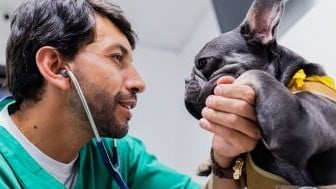
Learn how and why veterinary bills are increasing, and how a Healthy Paws plan can help.

Healthy Paws protects pets like family and makes peace of mind and more happy, healthy moments possible. Pet parents and industry reviews tell the story.

Rescue organizations across the U.S. received support for adoption efforts and ongoing care for vulnerable pets.

Make their food irresistible with the freshest nutritionally-balanced ingredients.
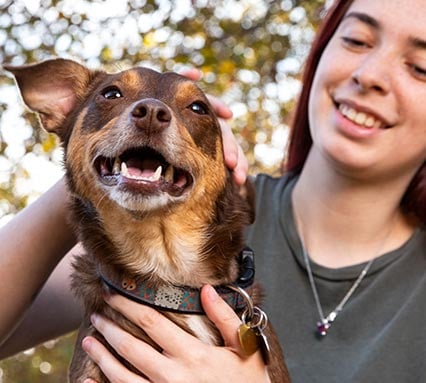
The Healthy Paws Community is a vibrant, social-first space for all pet lovers—whether you’re a Healthy Paws policyholder or simply passionate about pets. As a Pack Member, you can share your favorite pet photos and videos, connect with fellow pet parents, and stay informed with the latest Healthy Paws news and tips. It’s a welcoming place focused on connection, positivity, and celebrating the joy pets bring to our lives!
Pet hereditary & congenital conditions

Healthy Paws covers hereditary & congenital conditions
The Healthy Paws plan doesn't place coverage restrictions on hereditary or congenital conditions.1 Pets are eligible for coverage so long as the signs and symptoms first manifest after enrolling, including any applicable waiting periods. So, while you focus on caring for your pet, pet insurance can help take care of the costs, potentially saving you many thousands of dollars.
Diagnostics, surgery, pain meds, x-rays, rehab
Diagnostics, surgery, pain meds, x-rays, rehab
Corneal stains, meds, surgical correction
Corneal stains, meds, surgical correction
Diagnostics, surgery, rehab, meds
Diagnostics, surgery, rehab, meds
Aortic Stenosis, Heart Valve Dysplasia. Costs vary.
Aortic Stenosis, Heart Valve Dysplasia. Costs vary.
Brain & spinal cord diseases. MRIs, CT scans.
Brain & spinal cord diseases. MRIs, CT scans.
Lifelong meds, regular bloodwork, surgery
Lifelong meds, regular bloodwork, surgery
Get a quote in seconds for care that shows up when it counts
More coverage details
Hip Dysplasia and Cruciate Ligament tears
Coverage for hip dysplasia is included at no additional cost to you when you enroll your pet before the age of 6.1 Hip dysplasia can be a hereditary or congenital condition where there is a misalignment in your pet's hip. It's painful for the animal, and while very common in gentle giant dogs, vets also see it in small pups and even cats.
Cruciate Ligament issues (ACL, CCL ruptures and disease) have a specific exclusion in the policy: Pre-existing conditions of the cruciate ligament on one leg means the other leg will be excluded from future treatment as well. Click here to see a sample policy.
Pre-existing condition exclusion
If symptoms of a hereditary or congenital condition were present before you enroll (it doesn't have to be diagnosed) or during any waiting periods,2 the hereditary or congenital condition is then excluded from coverage.

“We are blessed to have Healthy Paws on our side, and just this year we have been reimbursed over $3,900. Maybe you won’t need them, but if you do, they are right there.”
SAL | Dad to Ivy, aussie with epilepsy
1. Hip dysplasia coverage is included at no extra cost when you enroll your pet before the age of 6.
2. Waiting periods may apply and vary by state. For state-specific information regarding waiting periods, please review a sample policy.
The claim scenarios described here are intended to show the types of situations that may result in claims. These scenarios should not be compared to any other claim. Whether or to what extent a particular loss is covered depends on the facts and circumstances of the loss, the terms and conditions of the policy as issued and applicable law. Facts may have been changed to protect privacy of the parties involved.