

Learn how and why veterinary bills are increasing, and how a Healthy Paws plan can help.

Healthy Paws protects pets like family and makes peace of mind and more happy, healthy moments possible. Pet parents and industry reviews tell the story.

Rescue organizations across the U.S. received support for adoption efforts and ongoing care for vulnerable pets.

Make their food irresistible with the freshest nutritionally-balanced ingredients.

The Healthy Paws Community is a vibrant, social-first space for all pet lovers—whether you’re a Healthy Paws policyholder or simply passionate about pets. As a Pack Member, you can share your favorite pet photos and videos, connect with fellow pet parents, and stay informed with the latest Healthy Paws news and tips. It’s a welcoming place focused on connection, positivity, and celebrating the joy pets bring to our lives!
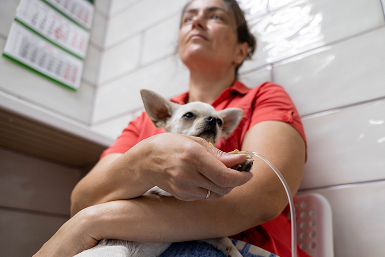
Everyday expenses for a pet now exceed $4,000 a year on average, according to new research. As prices continue to climb, pet owners face tough choices. Pet insurance can be a financial backstop against the unexpected.

Table of Contents
- What is feline chronic kidney disease?
- What are the signs of feline chronic kidney disease?
- What causes feline chronic kidney disease?
- How is feline kidney disease diagnosed?
- How is feline chronic kidney disease treated?
- How can insurance help manage costs associated with the long-term care of chronic kidney disease?
Chronic kidney disease is one of the most common diseases of older cats. In fact, it is estimated to affect up to 40% of cats over 10 years old and 80% of cats over 15 years old. Most cats develop chronic kidney disease as they age, so many cat owners will eventually need to manage this condition in their pets.
Read on to learn more about feline kidney disease, including how pet insurance can reduce the ongoing expenses associated with chronic kidney disease.
What is feline chronic kidney disease?
Chronic kidney disease refers to a loss of kidney function over time.
In cats, just like in humans and other animals, the kidneys have multiple roles. First, the kidneys filter waste products out of the blood. Blood flows through the kidneys for filtering, and waste products are eliminated in the urine. In addition to filtering waste, the kidneys also play a role in blood pressure regulation and red blood cell production.
As cats age, their kidneys begin to work less efficiently. The early stages of kidney disease may go completely unnoticed. Over time, however, the loss of kidney function can lead to serious health consequences.
Tell us about your pet – get a quick quote
What are the signs of feline chronic kidney disease?
The signs of feline chronic kidney disease vary. In its early stages, chronic kidney disease may only be detectable with a thorough veterinary workup. As kidney disease progresses, though, signs of illness become more and more obvious.
Increased thirst and urination are usually the first signs of chronic kidney disease. You may notice your cat drinking more from their water bowl than usual, and you may notice that you are scooping more urine from your cat’s litter box. Increased water intake and increased urine production can help your cat compensate for decreased kidney function, to a point.
Over time, however, inefficient kidney function leads to changes within the body. Waste products can build up in the bloodstream, and blood electrolyte levels can change. This leads to signs of illness, including loss of appetite, vomiting, weight loss, and lethargy.
In addition to filtering blood, the kidneys also help regulate blood pressure. Cats with chronic kidney disease often develop hypertension, or high blood pressure. Clinical signs of hypertension may include blindness, disorientation, and signs of heart disease.
Finally, the kidneys release erythropoietin, a hormone involved in red blood cell production. Cats with advanced chronic kidney disease often develop anemia (low red blood cell count). This can cause cause weakness, lethargy, poor appetite, pale gums, and an increased respiratory (breathing) rate.
What causes feline chronic kidney disease?
Most cats will lose kidney function with age, even without any known underlying cause. However, some risk factors can put cats at a higher risk of kidney disease:
- Genetics (Persians, Siamese, Abyssinians, Burmese, Ragdolls, Maine Coons)
- High blood pressure
- Kidney infection
- Dental disease (bacteria from the mouth can travel to the kidneys via the blood)
- Viral infections (such as feline leukemia virus and feline immunodeficiency virus)
- Toxins (lilies, antifreeze, etc.)
- Kidney tumor
- Urinary stones that block the kidneys or urinary tract
With regular veterinary care, your veterinarian can often diagnose and treat conditions that contribute to chronic kidney disease. Kidney disease is not entirely preventable, but regular veterinary care can help reduce your cat’s risk.
How is feline kidney disease diagnosed?
Veterinarians diagnose kidney disease on the basis of laboratory tests. Signs of illness may not be seen until kidney disease is advanced, but screening lab tests can allow for an early diagnosis.
Blood tests play a key role in diagnosing chronic kidney disease. Your veterinarian will focus on three substances in your cat’s blood: blood urea nitrogen (BUN), creatinine, and symmetric dimethyl arginine (SDMA). Elevations in any of these these three kidney markers can suggest that the kidneys are not working well.
Urinalysis (urine analysis) allows your veterinarian to evaluate your cat’s urine. Dilute urine suggests kidney disease, as do other urinary abnormalities. A urinalysis can also be used to rule out urinary tract infections and other conditions.
Further tests, like urine culture, radiographs (x-rays), and ultrasound, may also be recommended. Your cat’s diagnostic workup will depend on your cat’s medical history and your veterinarian’s findings.
How is feline chronic kidney disease treated?
The treatment of chronic kidney disease varies, depending on the stage of disease. The International Renal Interest Society (IRIS) publishes guidelines for staging feline chronic kidney disease and treating each stage of disease.
No medical treatments can cure chronic kidney disease. Instead, treatment focuses on slowing disease progression and improving the cat’s quality of life. Cats with kidney disease need lifelong treatment.
Hydration is key to managing chronic kidney disease. In the early stages, oral hydration is typically best. You can increase your cat’s water intake with running water fountains, flavored water, and/or canned food. As kidney disease progresses, hydration may become more challenging. Options in these later stages of kidney disease may include subcutaneous (SQ, SC) fluids, which are given at home, or intravenous (IV) fluids, which require hospitalization in the veterinary practice.
Prescription diets also help manage chronic kidney disease. These diets typically have low phosphorus (to reduce the workload on the kidneys), high potassium (to replace potassium that is lost in the urine), and omega-3 fatty acids (to reduce inflammation). Kidney diets also tend to have carefully controlled levels of protein, designed to meet your cat’s needs while reducing strain on the kidneys. Your veterinarian will help you select the best diet for your cat.
While hydration and diet are mainstays of kidney care, additional treatments are often needed. Veterinarians formulate individualized treatments plans for each patient, based on disease stage and that cat’s specific abnormalities. Treatments may include:
- Treat high blood pressure (if present) with amlodipine or telmisartan
- Treat protein loss in the urine (if present) with telmisartan or benazepril
- Treat elevated blood phosphorus (if present despite diet) with phosphate binders
- Treat low blood potassium (if present despite diet) with potassium supplements
- Treat nausea and vomiting (if present) with maropitant or mirtazapine
- Treat inappetence (if present) with capromorelin
- Treat increased blood clotting risk (if present) with clopidogrel or aspirin
- Treat anemia (if present) with darbepoetin or other treatments
Cats with chronic kidney disease require ongoing care: frequent veterinary visits, frequent lab testing, and frequent medication adjustments. Affected cats may also experience episodes of illness, requiring hospitalization for more advanced care.
How can insurance help manage costs associated with the long-term care of chronic kidney disease?
Chronic kidney disease can be expensive, because this treatment typically continues for the rest of your cat’s lifetime.
In the early stages of disease, costs may be limited to physical exams, lab tests, and a prescription diet. This may only cost a few hundred dollars per year over your regular preventive care costs.
In the later stages of kidney disease, however, more frequent testing and more extensive treatments are often needed to support a cat’s quality of life. Depending on the frequency of your cat’s veterinary visits and the level of care that is needed, managing the later stages of kidney disease can cost thousands of dollars per year.
Pet insurance can help manage the costs associated with the long-term care of chronic kidney disease. A good pet insurance plan will reimburse a portion of the expenses associated with frequent testing, prescription diets, medications, and other veterinarian-recommended treatments. This allows you to collaborate with your veterinarian on the best possible care for your cat, instead of being limited by financial constraints.
It is important to note, however, that pet insurance does not cover pre-existing conditions. To receive coverage for chronic kidney disease, you will need to have a pet insurance policy in place before your cat receives a diagnosis. Purchasing pet insurance while your cat is young, and maintaining that coverage through your cat’s adult and senior years, will ensure that your cat has insurance coverage when you need it most.

Meet Our Writer
Cathy Barnette, DVM
Cathy Barnette is a veterinarian and freelance writer based in Punta Gorda, FL. Cathy creates educational content for pet owners and veterinary team members. She is passionate about making complex medical information accessible to pet owners, allowing them to partner with their veterinarians to make informed decisions about their pets’ health. In addition to her human family members, she shares her home with one dog, two cats, and a dove.