

Learn how and why veterinary bills are increasing, and how a Healthy Paws plan can help.

Read stories of how Healthy Paws has protected pets like family and made peace of mind and more happy, healthy moments possible.

Rescue organizations across the U.S. received support for adoption efforts and ongoing care for vulnerable pets.

Make their food irresistible with the freshest nutritionally-balanced ingredients.

The Healthy Paws Community is a vibrant, social-first space for all pet lovers—whether you’re a Healthy Paws policyholder or simply passionate about pets. As a Pack Member, you can share your favorite pet photos and videos, connect with fellow pet parents, and stay informed with the latest Healthy Paws news and tips. It’s a welcoming place focused on connection, positivity, and celebrating the joy pets bring to our lives!
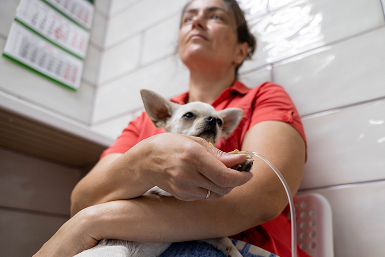
Everyday expenses for a pet now exceed $4,000 a year on average, according to new research. As prices continue to climb, pet owners face tough choices. Pet insurance can be a financial backstop against the unexpected.

Key Takeaways
- Catnip is a plant and member of the mint family.
- Catnip may cause cats to develop a high or sense of relaxation.
- Catnip is safe and harmless to kittens and cats.
- Cats may get these effects by sniffing or ingesting catnip.
- Kittens only respond to catnip at about three to six months of age.
Table of Contents
Catnip (Nepeta cataria) is a perennial and a member of the mint family, and its oils act as an effective insect repellent. Notorious for making cats either go crazy or completely chill out, catnip is a coveted plant that is coveted by many frisky felines. But is it safe for kittens?
What happens when you give cat catnip?
When the leaves or stems become bruised, catnip releases an oil called nepetalactone which interacts with a cat’s nasal tissue. It is thought to trigger feline pheromone receptors, resulting in behaviors similar to those of females in heat. Essentially, cats are reacting to an artificial cat pheromone.
The high a cat experiences when sniffing catnip is similar to that of marijuana or LSD. You may notice hyperactive behavior like rolling around on the floor, being extra vocal, or salivating. Your cat might rub her face or body on the herb in attempts to release more of the oil. The effects will typically last about 10 minutes and then wear off.
Catnip loving felines might also nibble on it. When ingested, the effects of catnip are quite different, and it acts more like a sedative. Your sluggish cat will enjoy a zen moment of complete relaxation.
But what about kittens—do they experience these same effects?
Tell us about your pet - get a quick quote
Catnip and kittens
It’s important to note that catnip is perfectly safe and harmless to kittens. However, kittens don’t necessarily experience the same effects of catnip as adult felines. While you could offer catnip to a kitten, it won’t necessarily elicit the same reaction, if any.
According to PetPlace, small kittens don’t usually respond to catnip and may even go out of their way to ignore it. Whether or not your kitten develops an interest in catnip typically won’t show until about three to six months of age, says PetMD.
So while it isn’t harmful to expose young kittens to catnip, you’re better off waiting to introduce them to it when they are a bit older so they can fully enjoy the

Meet Our Writer
Stacy Painter
Stacy has always been an animal lover and has worked in the pet industry and pet insurance specifically for over a decade. As a writer since early childhood, content writing for Healthy Paws pet insurance was a natural career path to combine her two passions. She currently lives in Florida with her boyfriend and Taiwanese rescue dog, Kaya.