

Learn how and why veterinary bills are increasing, and how a Healthy Paws plan can help.

Healthy Paws protects pets like family and makes peace of mind and more happy, healthy moments possible. Pet parents and industry reviews tell the story.

Rescue organizations across the U.S. received support for adoption efforts and ongoing care for vulnerable pets.

Make their food irresistible with the freshest nutritionally-balanced ingredients.
The Healthy Paws Community is a vibrant, social-first space for all pet lovers—whether you’re a Healthy Paws policyholder or simply passionate about pets. As a Pack Member, you can share your favorite pet photos and videos, connect with fellow pet parents, and stay informed with the latest Healthy Paws news and tips. It’s a welcoming place focused on connection, positivity, and celebrating the joy pets bring to our lives!
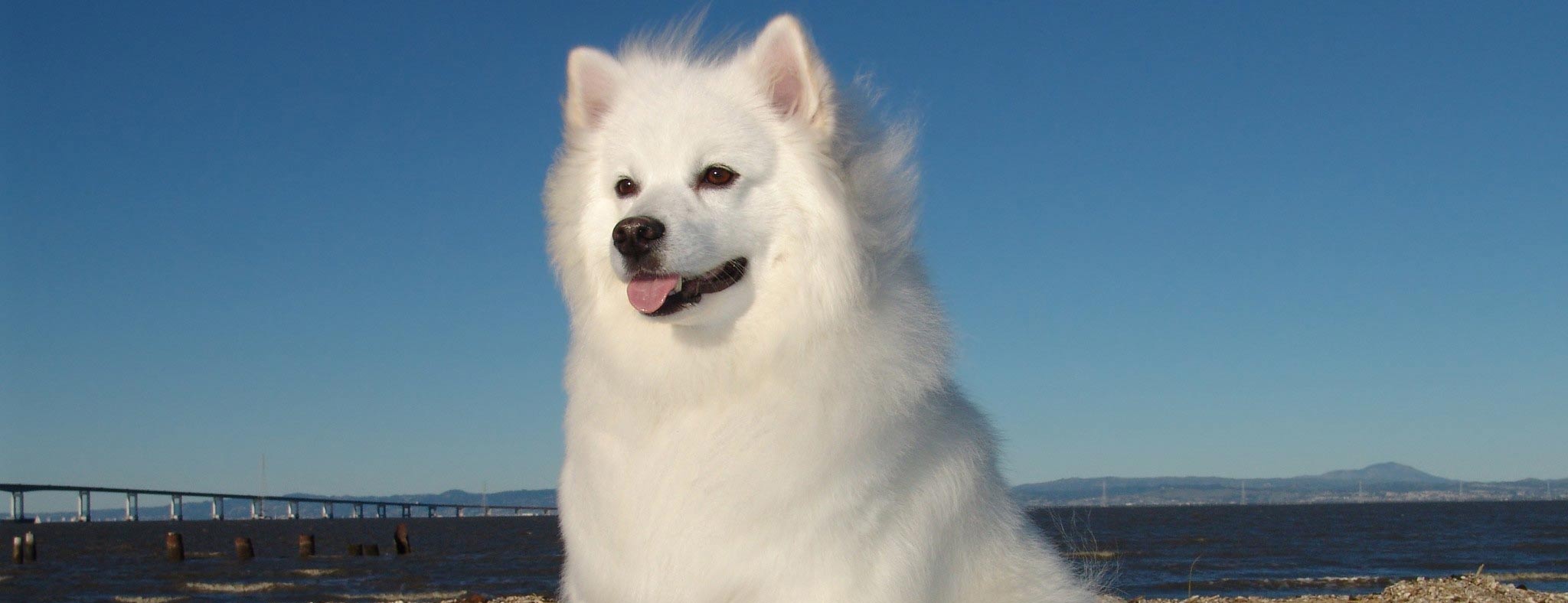
Introduction to American Eskimo Dogs
American Eskimo dogs are iconic canines that are clever and beautiful. These dogs are alert and friendly and make excellent companions whether you live in a snowy area or not.
Instantly recognizable for their striking coats, American Eskimo dogs are actually descendants of a German dog breed unrelated to the North American Inuit people. While they once worked to guard and herd livestock and even as circus performers, they are primarily family pets today.
To learn more about the American Eskimo dog and whether this is the right breed for your lifestyle and household, Healthy Paws has created this American Eskimo dog breed guide.
Size of American Eskimo Dogs
One interesting fact about American Eskimo dogs is that they come in toy, miniature, and standard sizes. Toy American Eskimo dogs are six to 10 pounds, miniature dogs are 10 to 20 pounds, and standard dogs are 25 to 35 pounds. Toy American Eskimo dogs stand nine to 12 inches tall, miniature dogs 12 to 15 inches tall, and standard dogs 15 to 19 inches tall.
Dogs typically reach their adult size by 12 to 18 months of age. There are only slight size differences between males and females of this breed.
Using the standard (largest) version as an example, here’s how big you can expect your American Eskimo dog to get as the dog grows from puppyhood to adulthood:
| Weight Chart | 6 months | 9 months | 12 months |
| Average male and female American Eskimo dogs | 14.5 lbs. | 22.5 lbs. | 30 lbs. |
Characteristics of American Eskimo Dogs
There are many ways to describe an American Eskimo dog: friendly, reserved with strangers, clever, bold, and agile. These are highly trainable dogs that love being part of families.
When you bring an American Eskimo dog into your life, you’ll likely find your new companion is overly eager to please and gets along well with children and other dogs. However, you must pay special attention to grooming and dealing with shedding when you live with an American Eskimo dog.
As you get to know an American Eskimo dog’s personality, here’s what you can expect based on the breed characteristics:
| Breed Characteristic | Level (High, Medium, Low) |
| Affectionate with People | High |
| Good with Kids | High |
| Good with Pets | Medium |
| Need for Exercise | Medium |
| Energy Level | Medium to High |
| Intelligence Level | Medium |
| Able to Be Trained | High |
| Amount of Barking | Medium |
| Amount of Shedding | High |
History of American Eskimo Dogs
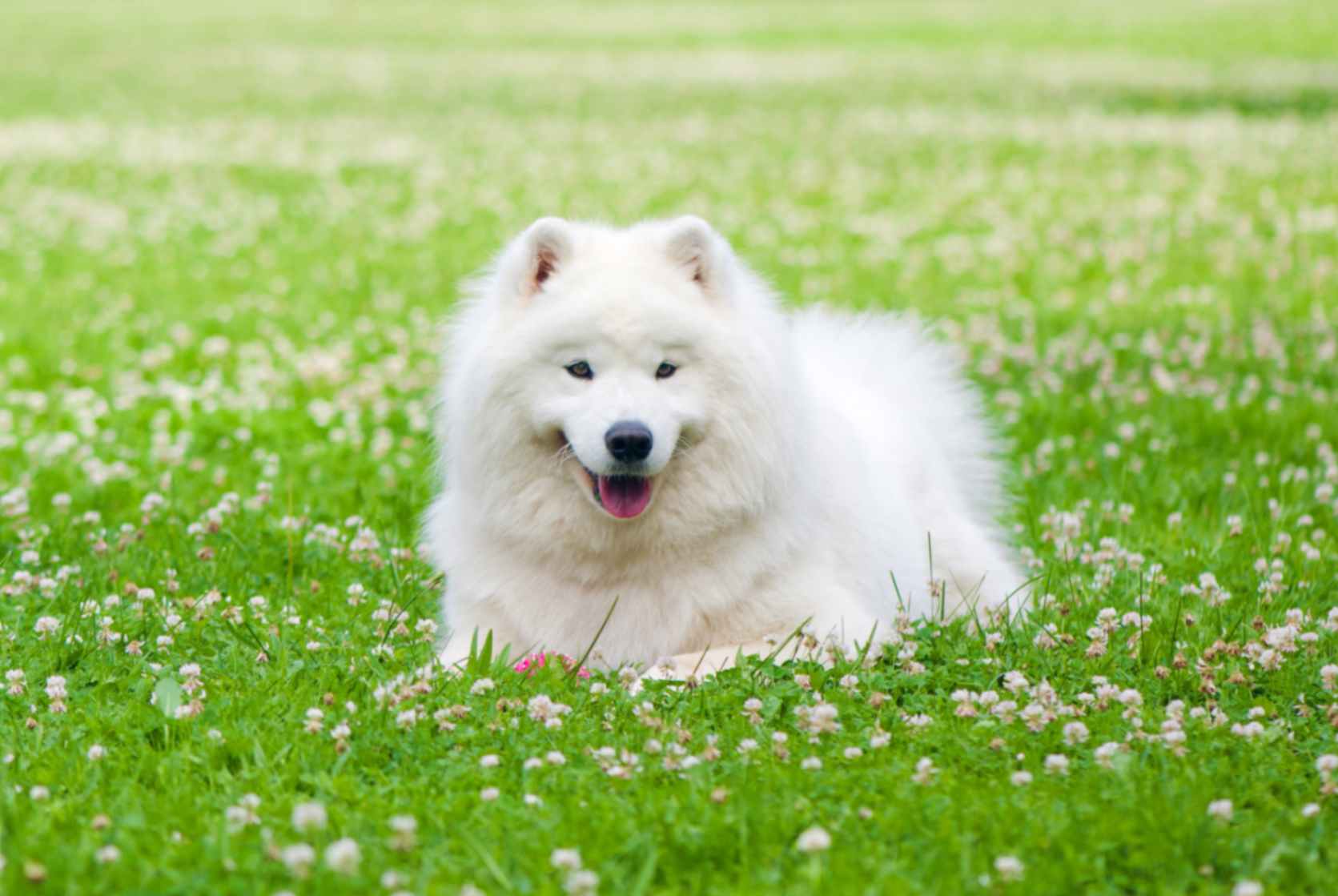
Many people mistakenly believe that American Eskimo dogs originated with the native people of North America, but this is incorrect. The Eskimo people had no part in the development of this breed. Instead, the breed has German roots and was brought to America by German immigrants in the early 1800s.
American Eskimo dogs found their place in the American Midwest when German farmers brought them to Ohio, Wisconsin, and Minnesota. They were originally referred to as the German spitz, a Nordic dog breed and a direct ancestor of the modern-day American Eskimo dog.
For many years, it was common to find these dogs in traveling circuses because of their showy looks, intelligence, and agility. They excelled in dog acts and became famous for their performances. An American Eskimo dog named Pierre was a tightrope walker with the Barnum & Bailey Circus in the 1930s.
Supporters of the breed changed the name from German spitz to American Eskimo dog due to prejudices during World War I. The American Kennel Club recognized the American Eskimo dog as a breed in 1994.
American Eskimo Dog Standard Information
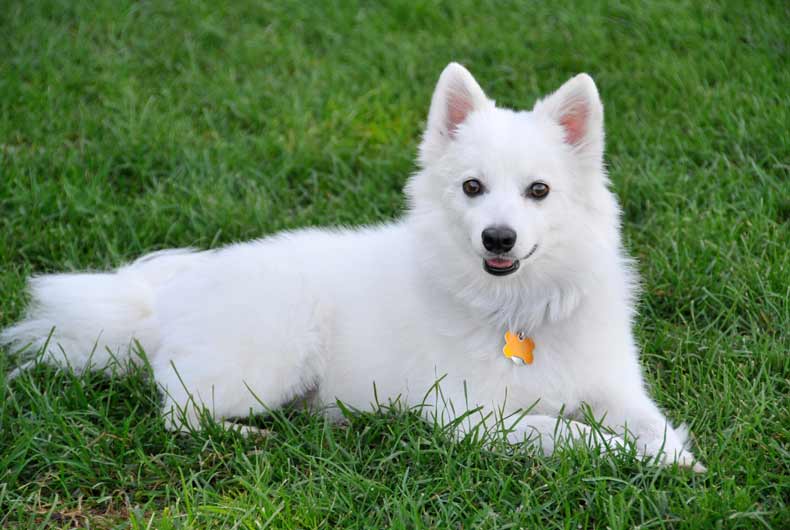
These versatile and fun-loving canine companions are held to certain criteria when judged at dog shows and competitions. For example, they are small-to-medium sized, have at least a mostly white coat, and possess a Nordic-type face with erect, triangular ears.
Here is an overview of the breed standard information for American Eskimo dogs:
Head:
- Keen, alert, and intelligent expression
- Eyes aren’t fully round but slightly oval
- Ears are triangular and slightly blunt-tipped
- Skull is slightly crowned and softly wedge-shaped
- Nose is black to dark brown
- Muzzle is broad with length not exceeding skull length
- Teeth meet in scissors or pincer bite
Neck, Topline, Body:
- Neck is carried erect and medium in length
- Topline is level
- Body is strong and compact
- Tail is moderately high and reaches the hock when down
Forequarters:
- Well-angulated forequarters
- Shoulder blades slant 45 degrees with the horizontal
- Legs are parallel and straight to pasterns
- Dewclaws may be removed or present
- Feet are compact, oval, and well-padded with hair
- Toes are well-arched
- Pads are black or dark brown and tough
- Toenails are white
Hindquarters:
- Well-angulated hindquarters
- Lay of the pelvis is about 30 degrees to the horizontal
- Stifles are well-bent
- Rear pasterns are straight
- Feet are the same as in front
- Dewclaws are not present on hind legs
Coat:
- Double coat with a dense undercoat and a longer outer coat
- Straight coat with no curl or wave
- Ruff around the neck
- No trimming of the whiskers or body coat
- May neaten the feet and backs of rear pasterns
Color:
- Pure white is preferable
- White with biscuit cream is allowed
- Skin is pink or gray
Gait:
- Trot, not pace
- Agile, bold, and well-balanced gait
- Single track with legs converging toward the center line of gravity as speed increases
Caring for American Eskimo Dogs
As the name suggests, the American Eskimo dog prefers cold to hot weather. These dogs can adapt to apartments and make excellent watchdogs. The breed is protective of its home and family, yet not threatening or aggressive.
Here are some general tips for taking the best care of an American Eskimo dog:
Best Living Environments:
- Cold climates with snow
- Apartments or houses with yards are both fine
- Should not leave dog in the yard unattended for long periods
- Great for older kids; may be too energetic for very young children
Type of Exercise:
- Needs plenty of exercise daily
- Running and playing in the snow
- Neighborhood walks
- Hikes with family members
Mental Enrichment:
- Keep the dog active to prevent destruction due to boredom
- Provide toys and plenty of attention
- Prone to separation anxiety if left alone a lot
- Try teaching tricks and agility routines for stimulation
Training Strategies:
- Very trainable dogs with good intelligence
- Fairly easy to train for new pet parents
- Teach new tricks just for fun
Grooming Tips:
- Easy to clean
- Dirt brushes right off the coat when dry
- Bathe every couple of months
- Too frequent bathing can cause skin problems
- Check ears for debris weekly
- Trim nails monthly
- Brush teeth daily
Common Health Problems of American Eskimo Dogs
The average life expectancy of an American Eskimo dog is 13 to 15 years. These are generally healthy dogs but are prone to certain health conditions, especially as they get older.
These are some of the most common health issues that arise with American Eskimo dogs:
- Cataracts
- Progressive retinal atrophy
- Dental disease
- Hypothyroidism
- Patellar luxation
- Hip dysplasia
- Epilepsy
Diet and Nutrition for American Eskimo Dogs
When fully grown, American Eskimo dogs need about 2.5 cups of dry dog food daily, depending on the calorie content of the dog food. This total amount should be divided into two daily meals. However, toy and miniature versions need less daily food.
Consult your vet for the best portion sizes and dog food brand recommendations.
Where to Adopt or Purchase American Eskimo Dogs
One place to start your search for an American Eskimo dog is the American Eskimo Dog Club of America, the national breed club. This organization is committed to quality breeding, holds annual shows, and sponsors dog performance events.
There are also rescue organizations that help people surrender a dog or adopt a new dog into their homes. American Eskimo dog rescue groups include the national Eskie Rescuers, Heart Bandits with regional U.S. chapters, Eskies Online in the Northeast, and Chicagoland Eskie Rescue in the Midwestern U.S.
Related Breeds
If you love the idea of living with an American Eskimo dog, then you might also be interested in these similar breeds that share common characteristics:
- German spitz
- Icelandic sheepdog
- Keeshond
- Japanese spitz
- Danish spitz
- Volpino Italiano
- Samoyed
- Alaskan malamute
- Siberian husky
Pet Insurance for American Eskimo Dogs
Healthy Paws offers dog insurance to help you take the best care of your American Eskimo dog and never worry about the high costs of veterinary care.
We are here to help whenever your American Eskimo dog gets hurt or sick. Our easy-to-understand insurance plan also covers hip dysplasia, emergency hospitals, chronic conditions, hereditary conditions, cancer, and alternative care.
Please request your American Eskimo dog insurance quote today on our website to learn more about the cost and benefits of insuring your beloved companion.
Authors
Stacy Painter
Stacy has always been an animal lover and has worked in the pet industry and pet insurance specifically for over a decade. As a writer since early childhood, content writing for Healthy Paws pet insurance was a natural career path to combine her two passions. She currently lives in Florida with her boyfriend and Taiwanese rescue dog, Kaya.
Cathy Barnette, DVM
Cathy Barnette is a veterinarian and freelance writer based in Punta Gorda, FL. Cathy creates educational content for pet owners and veterinary team members. She is passionate about making complex medical information accessible to pet owners, allowing them to partner with their veterinarians to make informed decisions about their pets’ health. In addition to her human family members, she shares her home with one dog, two cats, and a dove. Cathy Barnette on LinkedIn