

Learn how and why veterinary bills are increasing, and how a Healthy Paws plan can help.

Healthy Paws protects pets like family and makes peace of mind and more happy, healthy moments possible. Pet parents and industry reviews tell the story.

Rescue organizations across the U.S. received support for adoption efforts and ongoing care for vulnerable pets.

Make their food irresistible with the freshest nutritionally-balanced ingredients.
The Healthy Paws Community is a vibrant, social-first space for all pet lovers—whether you’re a Healthy Paws policyholder or simply passionate about pets. As a Pack Member, you can share your favorite pet photos and videos, connect with fellow pet parents, and stay informed with the latest Healthy Paws news and tips. It’s a welcoming place focused on connection, positivity, and celebrating the joy pets bring to our lives!
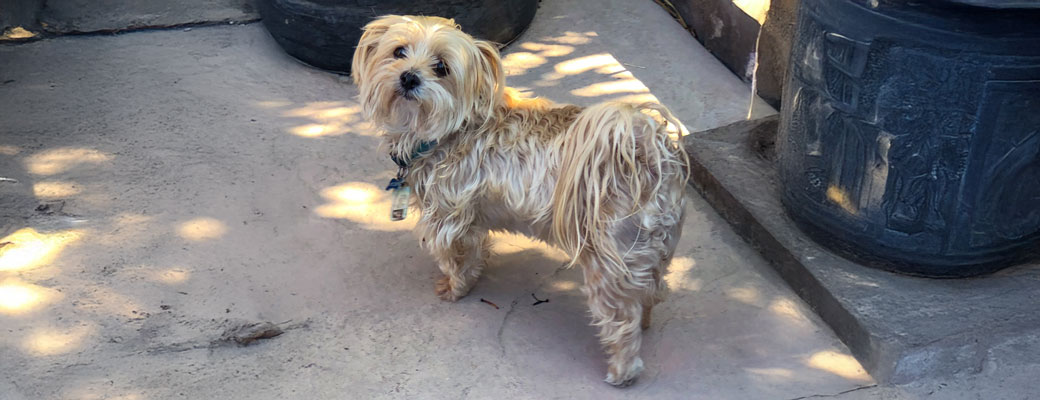
Introduction to Morkies
Morkies are crossbreed dogs that are a mix of the Maltese and Yorkshire terrier. These are sweet and loving dogs that have a lot of energy, can be vocal, and have a tiny size that adapts well to various lifestyles. Morkies are known for being territorial and very loyal. They are also good dogs for first-time pet parents, low shedding, and easy to groom. Morkies are considered to be a designer breed of dog; however, you may be able to find an adoptable Morkie at a shelter as an alternative to consulting a breeder who specializes in Morkies.
Morkies are very fun dogs to live with and get to know through all stages of their lives. If you are looking for a small dog that’s outgoing and playful, a Morkie might be the perfect fit for your family and household.

Size of Morkies
Morkies are small dogs that usually weigh just five to seven pounds when fully grown. Morkies, like many small dogs, typically reach their adult height by the age of nine months. Morkies get to be seven to nine inches tall. It takes a couple more months for them to fill out completely.
There are only very small differences in size between male and female Morkies. There are also smaller sizes of Morkies that are referred to as teacup, toy, or miniature Morkies, but they often have increased risks of health problems and are far less common.
Here’s how big you can expect your Morkie to get as it grows older.
| Weight Chart | 1 month | 3 months | 9 months | 12 months |
| Male and Female Morkies | 17-24 ounces | 37-53 ounces | 65-90 ounces | 5-7 lbs |
Characteristics of Morkies
Morkies have a fairly calm temperament but tend to bark frequently at people or sounds that are unfamiliar. These tiny dogs have big personalities and love running around during playtime. They have athletic qualities that are inherited from Yorkshire terriers, which were originally bred to hunt rodents. Maltese dogs were bred to be companion dogs, so this side of their genetics makes Morkies very loyal and affectionate.
More than some other dogs, Morkies often pick a favorite person and become very attached to that one person more than anyone else. Don’t get offended…it’s just part of their nature!
As you get to know a Morkie’s personality, here’s what you can expect based on their breed characteristics.
| Breed Characteristic | Level (High, Medium, Low) |
| Affectionate with People | High |
| Good with Kids | Medium |
| Good with Pets | Medium |
| Need for Exercise | Medium |
| Energy Level | High |
| Intelligence Level | Medium |
| Able to Be Trained | Medium |
| Amount of Barking | High |
| Amount of Shedding | Low |

History of Morkies
Yorkshire terriers were first bred in the 1800s by Scottish weavers in England and designed to hunt rodents. Maltese have been popular lap dogs since the Roman Empire times and beloved by Chinese breeders as well.
However, Morkies are a much more recent creation and only really became popular within the past decade. People began breeding Morkies in the 1990s to create friendly and affectionate small dogs that don’t shed much. Demand for Morkies has been increasing in recent years. Some people refer to these dogs as Morkshire terriers as well.
Morkie Standard Information
Hybrid breed dogs, such as the Morkie, can vary greatly in appearance from one dog to the next. Since Morkies are a crossbreed and not a pure breed of dog, there is not well-established breed standard information for Morkies. However, these types of dogs share certain appearance characteristics that make them identifiable and relatively predictable for prospective pet parents.
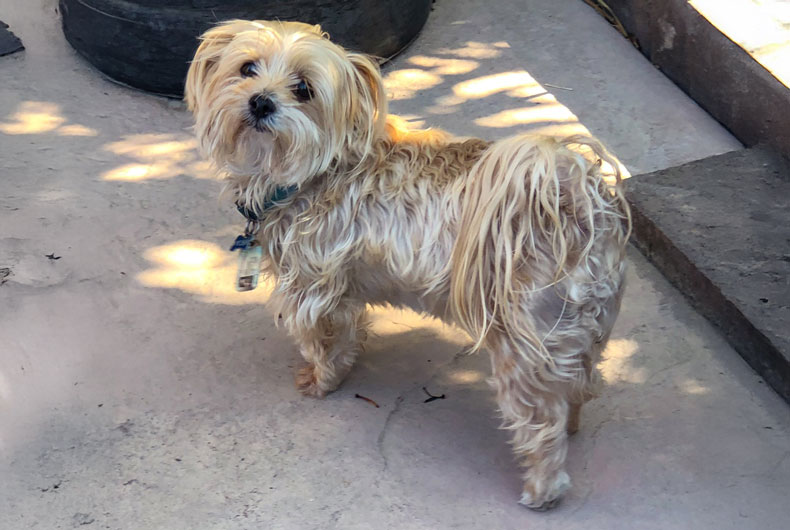
For example, Morkies can be white, golden, brown, or black depending on what color the Yorkshire parent was. These dogs can have either floppy or pointed ears based on which parent they take after the most. They have small and dark eyes that have an inquisitive look. Distinguishing features include being toy-sized, having long and silky hair, and having a round teddy bear-like face. They really are adorable dogs that are fun to look at and cuddle with!
Caring for Morkies
Morkies are generally adaptable and easy to care for. They don’t need a ton of exercise, but they do require some space to play and toys to mentally stimulate them. They are prone to separation anxiety and should be supervised with small children who may play with these tiny dogs too roughly. Active senior citizens get along very well with Morkies as long as they can take them on short walks and spend a lot of time with them.
Here are some general tips for taking the best care of a Morkie.
Best Living Environments:
- Small apartments with indoor play space
- Homes with small fenced-in yards
- Plenty of time with family members
- Do well in a single-person household and as the only pet
Type of Exercise:
- Playing fetch in a small yard
- A minimum of 30 minutes of exercise is recommended per day
- 10-15 minutes of walking twice per day
- Not jogging partners due to their size
Mental Enrichment:
- Plenty of stimulation during the day
- Obedience and agility training
- Toys to provide daily distractions
- Teach tricks to your Morkie
- Food dispensing toys when left alone
Training Strategies:
- Work on training to not bark unnecessarily
- May be stubborn and require extra patience during training
- Use a harness instead of a collar during walks
- Socialize by introducing various people, places, smells, and noises
Grooming Tips:
- Bathe every month or so
- Brush the coat daily to prevent matting
- Keep the coat shorter for easier grooming
- These are low-shedding (but not non-shedding) dogs
- Check nails monthly and trim as needed
- Brush teeth daily
Common Health Problems of Morkies
Morkies are a crossbreed of dogs that have a lifespan of about 12 to 15 years. Mixed breed dogs, such as Morkies, are sometimes considered to be healthier than purebred dogs because they are at lower risk of some types of genetic disorders. However, every dog is different and the product of its unique parents. If you choose to get a Morkie through a breeder, make sure its parents have undergone all recommended genetic testing for their breeds.
These are some of the most common health issues that arise with Morkies:
- Luxating patella (a type of knee problem)
- Portosystemic shunt (blood flow problems affecting the liver)
- Dental problems
- Collapsing trachea
- Hernias
- Heart disease
- Glaucoma
- Reverse sneezing
- Hypoglycemia
Because of their small size, Morkies can be fragile and easily injured in dangerous home environments or without supervision. These dogs have naturally high energy and may play harder than their bodies are physically able to withstand.
Diet and Nutrition for Morkies
When you feed Morkies, make sure that your dog eats meals rather than leaving food out throughout the day. This is because Morkies are prone to weight gain if they are fed too much and not kept on a regular eating schedule. Limit the number of treats you give your Morkie to keep its weight under control.
Most adult Morkies will thrive when eating a high-quality, nutritionally complete and balanced adult dog food. Puppies should eat puppy food until they are around 9 to 10 months old. If you feed your Morkie a homemade dog food, make sure you are working from a recipe that is designed by a veterinary nutritionist and that is appropriate for your dog’s age and health status.
Feed the amount of dog food needed to keep your pet slim. You should be able to see your Morkie’s waist and feel (but not see) the ribs without having to press too hard. In general, puppies need more calories per day than do adults, but a dog’s needs will vary with their activity level and other factors. Divide the total amount of food for the day into at least two meals for adults and three to four meals for puppies. Place the food out in a bowl at approximately the same time each day.
Talk to your veterinarian if you have any questions about your Morkie’s diet or health.

Where to Adopt or Purchase Morkies
If you choose to go through a breeder to find a Morkie, make sure it is a reputable one and not a puppy mill that has no regard for the health of the puppies or their parents. Responsible Morkie breeders will screen for health issues, which can give you insights into what needs to be monitored throughout your Morkie’s life.
It can be difficult to find Morkie-specific rescue groups since this is a relatively new crossbreed and a mixed breed dog. Instead, you can look to the American Maltese Association Rescue or the Yorkshire Terrier National Rescue as resources for finding a dog that suits your needs and lifestyle.
Related and Similar Breeds
The related breeds of the Morkie are the Yorkshire terrier and the Maltese. But beyond these two-parent dog breeds, there are other similar types of dogs that you may be interested in if you love the Morkie. Here are some examples:
- Maltipoo (Maltese/poodle mix)
- Malshi (Maltese/shih tzu mix)
- Malchi (Maltese/Chihuahua mix)
- Malteagle (Maltese/beagle mix)
- Maltichon (Maltese/bichon mix)
Pet Insurance for Morkies
Regardless of where you get your Morkie or how old your dog is, pet insurance is a great idea for pet parents of Morkies. Healthy Paws’ dog insurance plans cover Morkies from head to toe in case your pup encounters an illness, emergency, or genetic condition.
Except for pre-existing conditions or as otherwise excluded from your policy, Morkies can be covered by our plans for chronic conditions, cancer, x-rays, blood tests, hospitalizations, alternative treatments, prescription medications, and more. This is a great way to ensure that your Morkie is getting the very best care possible and that financial concerns don’t hold you back from seeking treatment when needed.
Get your free Morkie pet insurance quote today or give us a call at 855-898-8991 with any questions you may have.
Authors
Stacy Painter
Stacy has always been an animal lover and has worked in the pet industry and pet insurance specifically for over a decade. As a writer since early childhood, content writing for Healthy Paws pet insurance was a natural career path to combine her two passions. She currently lives in Florida with her boyfriend and Taiwanese rescue dog, Kaya.
Jennifer Coates, DVM
Dr. Jennifer Coates received her Bachelor of Science degree in biology from McGill University in Montreal, Quebec, Canada. After graduation, she worked for several years in the fields of conservation and animal welfare before pursuing her childhood dream—becoming a veterinarian. She graduated with honors from the Virginia-Maryland Regional College of Veterinary Medicine and has worked as an Associate Veterinarian and Chief of Staff in Virginia, Wyoming, and Colorado. Jennifer is also a prolific writer about all things related to veterinary medicine and the well-being of our animal friends. She has published several short stories and books, including the Dictionary of Veterinary Terms, Vet-Speak Deciphered for the Non-Veterinarian. She currently contributes to the Healthy Paws pet insurance blog as a freelance writer. In her free time, Jennifer enjoys life in Colorado with her family and friends… many of whom walk on four legs.