

Learn how and why veterinary bills are increasing, and how a Healthy Paws plan can help.

Healthy Paws protects pets like family and makes peace of mind and more happy, healthy moments possible. Pet parents and industry reviews tell the story.

Rescue organizations across the U.S. received support for adoption efforts and ongoing care for vulnerable pets.

Make their food irresistible with the freshest nutritionally-balanced ingredients.
The Healthy Paws Community is a vibrant, social-first space for all pet lovers—whether you’re a Healthy Paws policyholder or simply passionate about pets. As a Pack Member, you can share your favorite pet photos and videos, connect with fellow pet parents, and stay informed with the latest Healthy Paws news and tips. It’s a welcoming place focused on connection, positivity, and celebrating the joy pets bring to our lives!
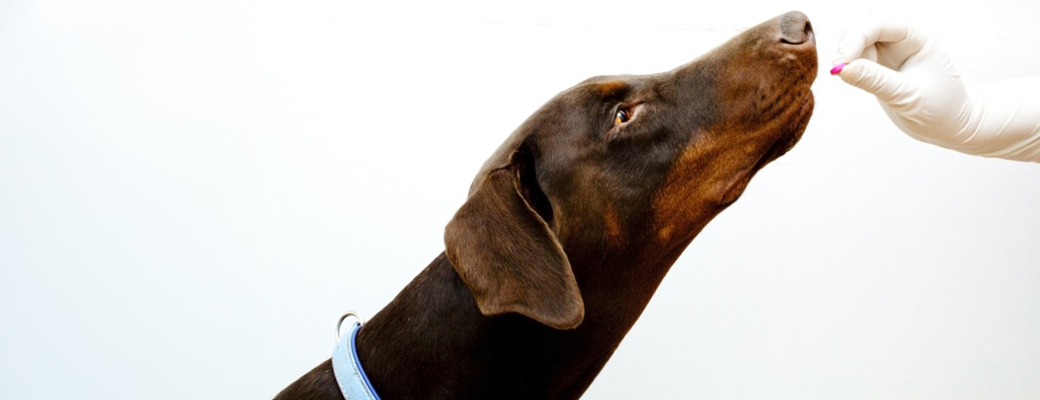
Key Takeaways
- Benadryl is a brand name for an antihistamine (diphenhydramine HCl) that can help alleviate symptoms of allergic reactions and even anxiety.
- Benadryl is a relatively safe and effective medication for both dogs and cats, but you should check with your vet first.
- Know the correct dosage for your dog, and keep a close eye on them for adverse reactions.
Table of Contents
- What is Benadryl?
- What does Benadryl treat in dogs?
- Can dogs take Benadryl for motion sickness or anxiety?
- Is Benadryl safe for dogs?
- What is the correct dosage of Benadryl for dogs?
- Side effects of Benadryl in dogs
- Can my dog overdose on Benadryl?
- When to seek veterinary attention
- Is it possible for a dog to have a Benadryl allergy?
- When NOT to give your dog Benadryl:
- Benadryl dos and don’ts
- Are there alternative treatments to Benadryl for dogs?
Benadryl is not yet FDA-approved for veterinary use, but it is generally considered safe for use in dogs with mild-to-moderate allergies. Benadryl is a brand name for an antihistamine (diphenhydramine HCl) that can help alleviate symptoms of allergic reactions and even anxiety. Histamine is a substance released by mast cells (a type of immune cell) and is responsible for inflammation and other allergy symptoms. The active ingredient in Benadryl is diphenhydramine, which works by blocking histamine receptors on a cell’s surface, meaning that the receptors cannot ‘accept’ histamine that tries to attach and trigger an allergic reaction.
Symptoms of allergic reactions that can be treated with Benadryl include hives, swelling, and itching. Severe reactions, like anaphylaxis, can be life-threatening and should be treated by a veterinarian (who may give an injection of diphenhydramine along with other emergency injections).
What is Benadryl?
Benadryl is not yet FDA-approved for veterinary use, but it is generally considered safe for use in dogs with mild-to-moderate allergies. Benadryl is a brand name for an antihistamine (diphenhydramine HCl) that can help alleviate symptoms of allergic reactions and even anxiety. Histamine is a substance released by mast cells (a type of immune cell) and is responsible for inflammation and other allergy symptoms. The active ingredient in Benadryl is diphenhydramine, which works by blocking histamine receptors on a cell’s surface, meaning that the receptors cannot ‘accept’ histamine that tries to attach and trigger an allergic reaction.
Symptoms of allergic reactions that can be treated with Benadryl include hives, swelling, and itching. Severe reactions, like anaphylaxis, can be life-threatening and should be treated by a veterinarian (who may give an injection of diphenhydramine along with other emergency injections).
What does Benadryl treat in dogs?
Many veterinarians approve Benadryl for home use as a regular go-to treatment. It may be suitable for:
- Seasonal allergies
- Food allergies
- Environmental allergies
- Snake and insect bites
- Motion sickness
- Anxiety
- Heartworm treatment (prevents allergic reactions during treatment)
- Treatment of mast cells tumors (lessens the reaction to the massive release of histamine from mast cells)
Can dogs take Benadryl for motion sickness or anxiety?
Dogs may experience anxiety in unfamiliar or uncomfortable situations, such as during a move, going to the vet, or being left alone. Because Benadryl also causes drowsiness, pet parents have also had luck with using the medication to help calm their anxious dog.
Some dogs experience motion sickness while riding in cars which can be due to anxiety. The Merck Veterinary Manual also recommends using Benadryl to help relieve motion sickness during car rides. In some cases, the sedative effects of Benadryl can be enough to reduce car anxiety and its related symptoms. However, for dogs that continue to get an upset tummy in car rides, be sure to consult your veterinarian.
Is Benadryl safe for dogs?
Benadryl is a relatively safe and effective medication for both dogs and cats, but there is a caveat. Your safest bet is to check in with your pet’s veterinarian first, especially if there are any other conditions or symptoms present.
“Benadryl is widely available over the counter and can be used under the advice of your veterinarian for mild itching from allergies, insect bites, flea irritation and a number of other conditions,” says Dr. Justin Shmalberg, veterinarian nutritionist at NomNomNow. “It’s a very safe medication; it may cause drowsiness in some pets but my clients have never found this to occur at a concerning level. Of course, if a problem persists, if there are open sores or if you notice any adverse reactions to this medication, talk to your veterinarian as soon as possible.”
What is the correct dosage of Benadryl for dogs?
The usual dosage is about 1 mg per pound, two to three times daily. Veterinarians often recommend that people start with a half dose to see how much it sedates the dog the first time. Also, pet parents should be aware the tablets and capsules commonly come in 25 mg size, but other sizes exist (like 50 mg). Read the labels on the bottle.
Benadryl pills or tablets
Dr. Shmalberg recommends the following with a 25mg tablet:
| Size of dog | 25mg tablet of diphenhydramine |
| Very small (4-10 pounds) | ¼ tablet |
| Small (10-20 pounds) | ½ tablet |
| Medium (20-30 pounds) | 1 tablet |
Larger dogs | 1 tablet per 25 pounds body weight |
Children’s Benadryl or liquid Benadryl for dogs
Chewable tablets designed for children typically contain 12.5mg per tablet.
| Size of dog | 12.5mg tablet |
| Very small (4-10 pounds) | ½ tablet |
| Small (10-20 pounds) | 1 tablet |
| Medium (20-30 pounds) | 2 tablets |
Larger dogs | 2 tablets per 25 pounds body weight |
Because liquid medications aren’t absorbed the same as pills, please talk to your vet before administering liquid Benadryl.
Side effects of Benadryl in dogs
If your dog or cat has any chronic conditions like glaucoma, diabetes, hypertension, epilepsy or seizures, or is pregnant, consult your vet before dosing your pet as some of these conditions can worsen with the addition of the drug. The most common side effects include:
- Drowsiness
- Dry mouth
- Urinary retention
- Increased heart rate
- Rapid breathing
- The rarest of side effects include diarrhea and vomiting
Can my dog overdose on Benadryl?
It is possible for your dog to overdose on Benadryl, according to the Merck Veterinary Manual. Signs of an overdose include hyper-excitability of the central nervous system (CNS) and can be fatal. Signs usually show up within an hour of ingestion. Remember not to exceed the usual dosage of about 1 mg per pound, two to three times daily.
When to seek veterinary attention
If you suspect your dog has overdosed call or visit your local veterinarian or emergency veterinary hospital immediately.
Here are some warning signs to watch for:
- Hyperactivity or depression
- Excessive salivating
- Rapid breathing
- Rapid heartbeat
- Dilated pupils
- Agitation
- Constipation
- Seizures
Pet Poison Helpline: The Pet Poison Helpline is available 24/7 at 855-764-7661. A consultation fee may apply.
Is it possible for a dog to have a Benadryl allergy?
Some dogs develop an allergic reaction to Benadryl. If your dog starts having symptoms of an allergic reaction, seek veterinary care immediately. As Benadryl for dogs is often used to treat allergies, keep an eye on your dog after giving Benadryl for the first time to make sure that the allergy symptoms don’t worsen. Allergies were the 10th most frequent reason for dog parents to visit the vet, according to Healthy Paws data in the 2022 Cost of Pet Health Care report.
When NOT to give your dog Benadryl:
- Benadryl is only for mild-to-moderate reactions. If your pet is having an acute allergic reaction with facial swelling or difficulty breathing, go straight to the vet.
- If your dog has glaucoma, high blood pressure, seizures or epilepsy, or cardiovascular disease, don’t give him Benadryl. It could make these conditions worse.
- Don’t give your dog Benadryl if she is pregnant.
- If your dog is taking any other medications, it is especially important to ask your vet before giving Benadryl to your dog, as there may be drug interactions that could be harmful or worsen a pre-existing condition.
Benadryl dos and don’ts
- Do ask your vet before administering Benadryl.
- Do watch your dog closely for at least an hour after giving them Benadryl.
- Do give your dog the correct dosage based on their size.
- Don’t give Benadryl if your dog is having a severe allergic reaction – go straight to the vet.
- Don’t give Benadryl if your dog has glaucoma, diabetes, high blood pressure, seizures or epilepsy, cardiovascular disease, or is pregnant.
Are there alternative treatments to Benadryl for dogs?
For some conditions, you may find other treatments besides Benadryl that are either topical or don’t contain pharmaceuticals. For example, dogs experiencing anxiety can be calmed with pheromones or supplements, anxiety jackets or behavior training.
And you may be able to lessen food and environmental allergies by identifying the allergen and removing it. You can minimize motion sickness in the car with positive conditioning, adjusting their position and not feeding before a ride.
The content is not intended to be a substitute for professional veterinarian advice, diagnosis, or treatment. Always seek the advice of your veterinarian or other qualified health provider with any questions you may have regarding a medical diagnosis, condition, or treatment options.
Authors
Colleen Williams
Over the past decade, Colleen has written about health, wellness, beauty, and even pets for The New York Times, The Cut, Refinery29, xoVain, Healthy Paws Pet Insurance, and Seattle Met Magazine, as well as many beauty brands. She has a BFA in Art History from the University of New Mexico and an AAS in Fashion Design from Parsons School of Design in New York.
JoAnna Pendergrass, DVM
JoAnna Pendergrass, DVM, is a veterinarian and freelance medical writer in Atlanta, GA. After graduating from the Virginia-Maryland College of Veterinary Medicine with her veterinary degree, JoAnna completed a 2-year research fellowship in neuroscience at Emory University. During this fellowship, she learned that she could make a career out of combining her loves of science and writing. As a medical writer, JoAnna is passionate about providing pet parents at Healthy Paws with clear, concise, and engaging information about pet care. Through her writing, she strives not only to educate pet parents, but also empower them to make good health decisions for their pets. JoAnna is a member of the American Medical Writers Association.