

Learn how and why veterinary bills are increasing, and how a Healthy Paws plan can help.

Read stories of how Healthy Paws has protected pets like family and made peace of mind and more happy, healthy moments possible.

Rescue organizations across the U.S. received support for adoption efforts and ongoing care for vulnerable pets.

Make their food irresistible with the freshest nutritionally-balanced ingredients.

The Healthy Paws Community is a vibrant, social-first space for all pet lovers—whether you’re a Healthy Paws policyholder or simply passionate about pets. As a Pack Member, you can share your favorite pet photos and videos, connect with fellow pet parents, and stay informed with the latest Healthy Paws news and tips. It’s a welcoming place focused on connection, positivity, and celebrating the joy pets bring to our lives!
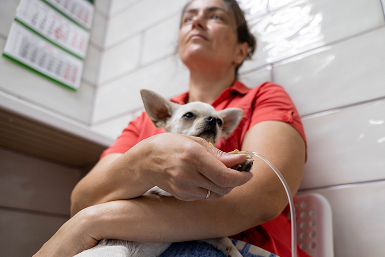
Everyday expenses for a pet now exceed $4,000 a year on average, according to new research. As prices continue to climb, pet owners face tough choices. Pet insurance can be a financial backstop against the unexpected.

Quick Answer: Imodium is safe under a vet’s supervision.
Key Takeaways
- Imodium (loperamide) is used to control diarrhea.
- Certain dogs should not be given Imodium so talk to a veterinarian before giving it to your dog.
- Dosage of Imodium depends on a dog’s size and health status and the form of Imodium given.
- Possible side effects of Imodium include constipation, bloat, fatigue, sleepiness, dry mouth, and abdominal discomfort.
Diarrhea is uncomfortable and messy, but beyond that, it can result in dehydration and if it goes on long enough, malnutrition. This is because food that moves too quickly through the system prevents water and nutrients from being absorbed into the body. Imodium works by slowing down the movement of water and food through the gastrointestinal tract. This is true whether it’s taken by humans or dogs. The answer to whether dogs can take Imodium is yes, but there are several considerations to take before administering the medication to your pet.
While at-home treatment can help in some cases, Imodium should only be given to your dog after you’ve consulted with your veterinarian. Your vet can help you determine the cause of diarrhea, whether Imodium is an appropriate form of treatment, and if so, recommend an appropriate dosage.
The following dogs should usually not take Imodium:
- Dogs that are very young or very old.
- Dogs that are pregnant or nursing.
- Dogs that are allergic or have had a previous bad reaction to Imodium.
- Dogs that are exhibiting signs of illness outside of diarrhea (vomiting, abdominal pain, blood in the stool) or could have diarrhea associated with a gastrointestinal infection, hemorrhagic gastroenteritis, or an intestinal blockage or perforation.
- Dogs that have a mutation in their multidrug resistance (MDR1) gene. Genetic testing is the only way to know for sure if your dog has this mutation although some breeds carry it more frequently than others. If you aren’t sure, don’t administer Imodium without first consulting your vet.
- Dogs that have existing medical conditions including hypothyroidism, liver or kidney disease, respiratory problems, Addison’s disease, and dogs with head injuries or diseases affecting the brain.
- Dogs that are currently on other medications. It’s possible that Imodium could interfere with other drugs or increase the chances of side effects.
Pet Poison Helpline: The Pet Poison Helpline is available 24/7 at 855-764-7661. A consultation fee may apply.
Tell us about your pet - get a quick quote
What is Imodium?
Imodium, generically referred to as loperamide, is an over-the-counter medication that helps stop diarrhea by slowing down the movement of food and water through the gut. This gives the body more time to absorb water out of the intestinal tract. Reminder: ask your vet first and then use this article to help once you’ve gotten the go-ahead.
When to seek vet help for diarrhea
If your dog has only suffered mild diarrhea for a few hours or a day, you can probably wait to see if it resolves itself before calling the vet. It may be that your dog ate something they shouldn’t or they are feeling stressed from travel, boarding or changes in their environment.
If the diarrhea is severe with blood in it or accompanied by vomiting, then get to the vet as soon as possible. This also applies if it occurs after administering vaccines or medication.
When diarrhea hits, try feeding your dog a bland diet, with foods such as proteins like lean chicken, beef, ground chuck, white fish, or cooked eggs and simple carbohydrates (white or brown rice, white or sweet potatoes) combined. Feed small, frequent meals that help heal the gastrointestinal tract but do not overwhelm it.
If you have tried giving a bland diet for 48 hours and the diarrhea is persistent, it’s time to go to the vet, says PetMD.
Dosage information
The recommended dosage of Imodium depends on your dog’s weight and health status and the form of medication used. The Merck Veterinary Manual recommends a dose of 0.1-0.2 mg/kg [0.05-0.1 mg/lb]. For convenience, one 2 mg capsule or tablet of Imodium can be given per 50 pounds of body weight. Cut it in half for a dog that weighs around 25 pounds and always use the liquid form of Imodium for dogs under 20 pounds. Regular Imodium, children’s Imodium and generic brands are generally the same concentration, but read the bottle to be sure.
| Dog’s weight | Capsule Imodium | Liquid Imodium | Children’s Imodium | Other anti-diarrheal brands (generics) |
| 1-25 lbs. | Do not use, use only liquid Imodium |
.25 mg per lb. | .25 mg per lb. | .25 mg per lb. |
| 25 lbs. | 1/2 capsule (1 mg) | 1 mg | 1 mg | 1 mg |
| 50 lbs. | 1 capsule (2 mg) | 2 mg | 2 mg | 2 mg |
| 75 lbs. | 1-1/2 capsule (3 mg) | 3 mg | 3 mg | 3 mg |
Make sure to confirm what dosage is appropriate for your dog with your veterinarian before administering. Do not give Imodium more than three times a day or for more than 3 days in a row unless your veterinarian expressly tells you to do so.
Potential Imodium side effects in dogs
As is true with any medication, your dog may experience some Imodium-related side effects. These can include:
- Constipation (typically a sign of too much Imodium)
- Bloating
- Fatigue
- Sleepiness
- Abdominal discomfort
More serious potential side effects include intestinal paralysis, central nervous system depression, and megacolon. If your pet displays any Imodium-related side effects, cease administration and consult your veterinarian immediately.
The content is not intended to be a substitute for professional veterinarian advice, diagnosis, or treatment. Always seek the advice of your veterinarian or other qualified health provider with any questions you may have regarding a medical diagnosis, condition, or treatment options.
The vet bills for common accidents and illnesses can add up, so it’s essential to sign up for pet insurance when pets are young. Everything from soft tissue injuries to worm treatments can be covered up to 90%. Find out more by getting a free quote.
Authors
Wendy Rose Gould
Wendy Rose Gould is a freelance lifestyle reporter based in Phoenix, Arizona. She has been in journalism for over a decade, and has been freelancing almost that entire time. In addition to lifestyle reporting, she also works with brands to create marketing content for their websites and blogs.
Jennifer Coates, DVM
Dr. Jennifer Coates received her Bachelor of Science degree in biology from McGill University in Montreal, Quebec, Canada. After graduation, she worked for several years in the fields of conservation and animal welfare before pursuing her childhood dream—becoming a veterinarian. She graduated with honors from the Virginia-Maryland Regional College of Veterinary Medicine and has worked as an Associate Veterinarian and Chief of Staff in Virginia, Wyoming, and Colorado. Jennifer is also a prolific writer about all things related to veterinary medicine and the well-being of our animal friends. She has published several short stories and books, including the Dictionary of Veterinary Terms, Vet-Speak Deciphered for the Non-Veterinarian. She currently contributes to the Healthy Paws pet insurance blog as a freelance writer. In her free time, Jennifer enjoys life in Colorado with her family and friends… many of whom walk on four legs.