
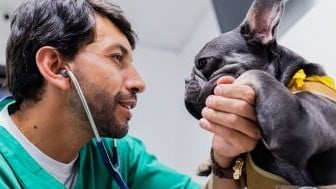
Learn how and why veterinary bills are increasing, and how a Healthy Paws plan can help.

Healthy Paws protects pets like family and makes peace of mind and more happy, healthy moments possible. Pet parents and industry reviews tell the story.

Rescue organizations across the U.S. received support for adoption efforts and ongoing care for vulnerable pets.

Make their food irresistible with the freshest nutritionally-balanced ingredients.
The Healthy Paws Community is a vibrant, social-first space for all pet lovers—whether you’re a Healthy Paws policyholder or simply passionate about pets. As a Pack Member, you can share your favorite pet photos and videos, connect with fellow pet parents, and stay informed with the latest Healthy Paws news and tips. It’s a welcoming place focused on connection, positivity, and celebrating the joy pets bring to our lives!

Sepsis refers to a dangerous condition in dogs where bacteria overwhelm the bloodstream and cause infection and severe inflammation. As a result, a dog’s organs can begin to fail and, in some instances, death occurs.
Generally, a dog’s immune system removes harmful bacteria from the blood stream quickly; however, dogs with weak immune systems or those who are very young or very old are more likely to develop sepsis.
Sepsis is life-threatening and is considered a medical emergency. This condition should be treated immediately by a veterinarian.
Warning Signs of Sepsis in Dogs
Sepsis in dogs causes concerning symptoms, which may include the following:
- Fever
- Decreased appetite
- Increased heart rate
- Increased respiratory rate
- Low blood pressure
- Trembling
- Disorientation
- Lethargy
- Vomiting
- Diarrhea
- Panting
Dogs will experience some or all of these symptoms depending on which stage of sepsis they are in.
Stages of Sepsis in Dogs
Sepsis rapidly progresses in dogs if not treated promptly. The stages of sepsis include:
- Bacteremia: This is the early stage of sepsis when bacteria first start to leak into the bloodstream. Many dogs are able to clear the bacteria during this stage if they have strong immune systems; however, if they do not, bacteria start to accumulate.
- Systemic Inflammatory Response Syndrome (SIRS): If bacteria continue to increase in the bloodstream, the dog’s immune system overreacts and begins releasing a large number of inflammatory molecules, causing concerning symptoms.
- Septic shock: A dog’s immune system produces proteins called cytokines to counteract the large number of bacteria, which causes significant inflammation and blood vessels to dilate. When this occurs, a dog’s blood pressure becomes extremely low and organs do not receive the blood supply they require to function properly.
- Multiple Organ Dysfunction Syndrome (MODS): As organs continue to be deprived of adequate blood and oxygen, they begin to fail and shut down.
- Death: As sepsis continues to progress, many dogs succumb to the condition.
Causes of Sepsis in Dogs
There are several possible reasons a dog may develop sepsis, some of which may include:
- Bacterial infection: If a dog has an infection in some part of his body, there is potential for bacteria to spread into the bloodstream and cause widespread infection that overwhelms his immune system. This may be due to a recent skin wound, a urinary tract infection, or periodontal disease, just to name a few.
- Intravenous (IV) catheters: If a dog is being treated for an illness at a veterinary hospital and has an intravenous catheter in place, this site can allow bacteria to enter the bloodstream and cause infection, especially if it is in place for prolonged periods.
- Surgery: If a dog undergoes surgery, especially of the tooth or intestines where bacteria generally live, it increases the risk for these bacteria to enter the bloodstream and cause a widespread infection.
- Bloat: Dogs with gastric dilatation and volvulus (bloat) may experience sepsis due to the twisting and dilation of their stomachs, which can cause bacteria to leak into the bloodstream.
- Medications: Dogs taking immunosuppressive medications are at an increased risk for sepsis since their immune systems are weakened and unable to fight infections optimally.
Treatment Plan for Dogs with Sepsis
Dogs with sepsis require hospitalization and supportive care. This includes receiving intravenous fluids to improve blood pressure and keep them hydrated. Additional treatments that may be warranted include the following:
- Intravenous antibiotics, such as Unasyn®
- Nutritional support, such as a feeding tube
- Blood pressure support, such as norepinephrine
- Gastrointestinal protectants, such as famotidine
- Anti-emetics, such as maropitant
- Blood transfusions
- Oxygen therapy
Additional medications may be recommended by the veterinarian if appropriate for the patient to support treatment and recovery.
Some dogs may undergo surgery to correct the underlying cause for the sepsis, such as to correct bloat or to remove an infected ruptured uterus (pyometra).
The prognosis for dogs with sepsis is highly variable depending on how severe the dog’s condition is upon seeking treatment. With prompt treatment in the early stages of disease, most dogs will recover fully. However, if a dog is not seen until sepsis is severe or if the dog has underlying health issues, the prognosis is generally poor.

Meet Our Writer
Brittany Kleszynski, DVM
Dr. Brittany Kleszynski is a freelance veterinary and medical writer for Healthy Paws who specializes in creating meaningful content that engages readers and speaks directly to the intended audiences. She writes and edits educational articles for pet parents and creates continuing education and online learning modules for healthcare professionals. She has worked in research and small animal practice since graduating veterinary school and is a member of the American Veterinary Medical Association.