

Learn how and why veterinary bills are increasing, and how a Healthy Paws plan can help.


Three rescues across North Carolina and Georgia received donations that made a big impact.

Make their food irresistible with the freshest nutritionally-balanced ingredients.

Key Takeaways
- If you take your dog out in public, there’s always a chance another dog may attack your dog.
- Dogs attack other dogs for many reasons, including poor socialization, genetics, or a mismatch in communication styles.
- If it happens, try to stay calm, separate the dogs safely, and seek medical attention if your dog is injured.
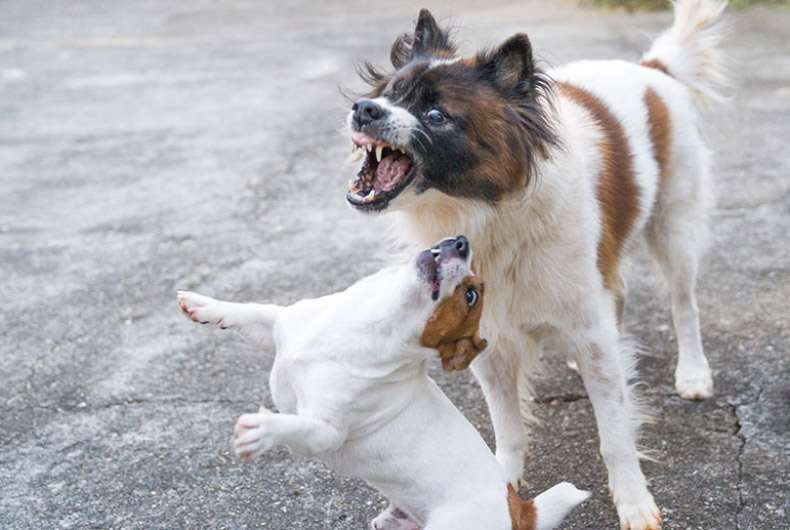
Dogs attack other dogs for a variety of reasons:
- The dog may not have been socialized as a puppy and may be fearful of other dogs.
- Even well-socialized dogs can develop aggression toward other dogs based on genetics or early environmental factors.
- Some dogs will start to interact in a friendly manner but suddenly become aggressive.
- Other dogs are fine with 99 percent of dogs, but for some reason fear a specific dog, possibly because of a history with a similar-looking dog.
- Dogs have different communication styles, and a mismatch may trigger a dog to respond aggressively. Some dogs use more signals than others. Dogs may use signs such as leaning away, stepping away, lowering their body, or looking away to end interactions. When those signs are ineffective, dogs learn to skip them and instead reach for stronger signals such as barking, growling, and snapping. This can quickly escalate to biting.
Any dog attack can be scary, and in the heat of the moment, you may be unsure of what to do. Most importantly, ensure your dog is safe and gets the medical attention they need.
Tell us about your pet - get a quick quote
Here are some steps to take if another dog attacks your furry friend:
1. Stay calm
It’s easy to panic and become flustered when a conflict escalates. Try to stay calm to prevent the situation from getting worse. Dogs can sense fear and aggression from you, so try to remain as level-headed as possible. Be civil to the other dog owner. They almost certainly didn’t mean for their dog to hurt another pet, and the aggression may have surprised the owner, as dogs can be unpredictable and act out of character.
2. Separate the dogs
Try to separate the dogs by using a loud noise, such as clapping your hands. If there is one handy, you can also use a water hose or water bowl (often around in off-leash situations), or the lid of a trash can that you push between the dogs. Another tactic is to use the “wheelbarrow method” by picking up your dog’s rear legs and push them toward each other, as the other dog owner does the same.
“It sounds counterintuitive, but you actually want to push the dogs into each other rather than pull the dogs, as pulling can cause injury. Pushing is more likely to cause a release than pulling. This method would be a last resort; you definitely want to use water, sound, or some sort of board or lid instead, if at all possible,” said Danette Johnston, certified dog trainer.
Don’t reach for a dog’s head or neck or you may get bitten yourself. Once separated, put them on a leash as quickly as possible.
3. Check your dog for injuries
After the attack, check your dog for any injuries by running your hands up and down their body. If your dog is bleeding, apply pressure to the wound with a clean cloth, and seek veterinary attention immediately. If the wound is not too severe, you can clean it yourself at home with warm tap water or a saline solution. Don’t allow your dog to lick or chew the wound. A colored discharge indicates a possible infection, so call your vet for instructions. If one of the dogs was picked up and held or shaken there can be internal injuries even if there are none visible, and this requires vet attention immediately too. Photograph any injuries as it may be needed later for legal purposes.
4. Ask the other dog owner for contact information
Even if your dog seems fine, you may want to contact the other dog owner later if it turns out your pup is injured. Ask for a name, phone number and email address. If the dog’s skin is broken, ask them to send you proof of rabies vaccination. While the laws vary by state and municipality about who is responsible for vet bills in this situation, common sense would dictate that the person whose dog did the attacking should pay. If the person refuses, there may be little you can do without taking expensive legal action in small claims court.
5. Report irresponsible owners
If the other dog owner acted irresponsibly or allowed their dog to attack, report the bite to Animal Control. Authorities can cite them, and they will need to pay a fine. The dog who attacked may have done this previously and a record of repeated offenses should be kept. If the dog is dangerous, they should not be in public places (off-leash, without a muzzle).
6. Seek support
Seeing your dog attacked can be traumatic, and it’s important to seek help for yourself as well. Talk to a friend or family member or a professional counselor if you have lingering anxiety. If your dog is the one experiencing anxiety or fear of other dogs after an attack, respect their emotions and don’t force them to interact with other dogs. If the problem persists, you may also talk to your veterinarian about anti-anxiety medication. A certified trainer can help your dog through safe re-introductions to select dogs, if needed.
7. Carry pet insurance
This is just the kind of unexpected accident pet insurance is designed for. The Healthy Paws Pet Insurance plan covers any accidental injury to your dog.
What to do if your dog attacks another dog
If your dog is the one attacking, follow the same steps of remaining calm, separating the dogs, and checking for injuries. You are legally liable for any damage or injury your dog causes, so you should provide contact information to the other owner for follow-up if their dog requires vet care. If you are apologetic and polite to the other dog parent, and the injuries are not severe, you might work it out without involving the authorities.
If they decide to report the incident or take you to court, you may need to hire a personal injury lawyer with expertise in animal law. You may be cited for the attack, be required to pay fines and comply with orders such as keeping your dog contained or wearing a muzzle in public. Keep your dog on a leash out on walks and consider hiring a dog trainer to work on your dog’s reactivity to other dogs to avoid future incidents.
What to do if you’re bitten during a dog attack
If a dog bites you while you are trying to separate the dogs, remove yourself from immediate danger as quickly as possible. Remaining calm, avoiding eye contact with the biting dog and turning sideways will signal to the dog that you are not a threat. You may be able to distract the dog by throwing a toy or treats away from you.
Once you are safe, assess the severity of the bite. If it’s minor, you can treat it at home by cleansing it gently with mild soap and warm water and applying bandages. If it’s bleeding, apply pressure with a clean cloth. If the bite is deep, bleeding heavily, or shows signs of infection, seek medical attention immediately.
It’s recommended you report the dog bite to animal control or the local police department. This will ensure a record of what happened and appropriate measures are taken to protect the public. They can also test the dog for rabies, which can be fatal to unvaccinated humans if not treated quickly.
Prevention is the best solution
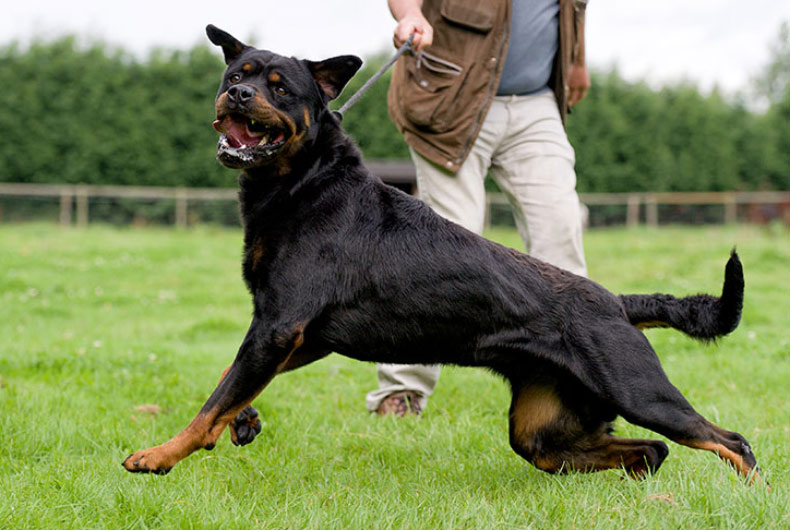
While you can’t protect your dog against all potential attacks, there are some things you can do to minimize risk. Keep them on a leash in public places, pull them away from any dog that is lunging or growling, and closely supervise them during any playtime, especially at an off-leash dog park where you don’t know all the dogs.
An essential skill for any dog parent is understanding their body language and when they may be about to attack. Knowing the signs of stress can help you get your dog out of the situation before trouble starts.
Another preventative tactic is to distract an off-leash dog. If your dog is on-leash and you encounter a dog coming at you off-leash, toss a handful of treats at the oncoming dog. This sometimes slows them down long enough for you to get a safe distance or enough time for their owner (if there is one around) to get them back.
Also, teach your own dog solid recall so that you can call them away (when off-leash) if you see any concerning body language from either your dog or the other dog BEFORE it escalates into a fight.
Authors
Christy True
Christy wrote about pets for Healthy Paws for 35 dog years. A background in journalism may be why she enjoys writing about offbeat animal studies and the latest viral pet trends. She has been owned by several dogs, including current pup Nelson, a rescued mini-Aussie, and she volunteers with a local dog rescue. In her free time, she can usually be found sliding down a mountain near her home in Bend, Ore. with Nelson in hot pursuit.
Danette Johnston
Danette Johnston is the owner of Dog’s Day Out daycare and training center in Seattle. She has trained dogs (and people!) working in animal hospitals and shelters and worked as an animal-assisted therapy instructor. She started a Shelter Training Program in which she educates staff and volunteers at rescues to improve the lives of shelter animals. She currently shares her home with Ernie, a brown tabby with many extra toes, a 20-pound fluffy rescue dog named Boogie, one human teenager, and a very tolerant husband.