

Learn how and why veterinary bills are increasing, and how a Healthy Paws plan can help.


Three rescues across North Carolina and Georgia received donations that made a big impact.

Make their food irresistible with the freshest nutritionally-balanced ingredients.
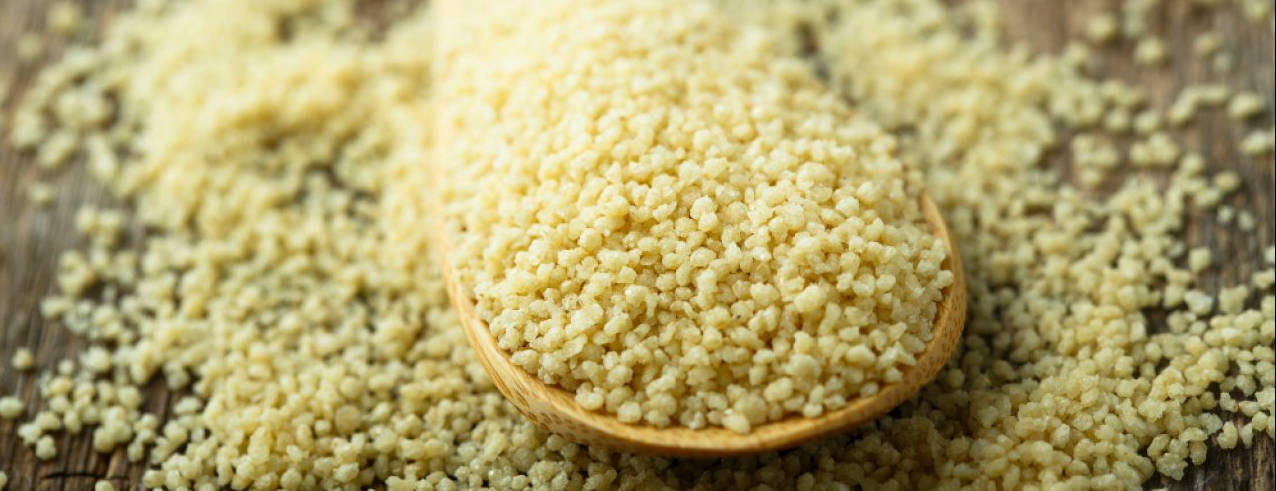
The quick answer: Yes, dogs can eat plain cooked couscous in moderate amounts.
Key Takeaways
- Couscous contains selenium, fiber, protein, magnesium, and vitamin B6.
- Never give a dog couscous that has been seasoned with garlic or onions.
- Couscous should not be a regular part of your dog’s diet.
Couscous is a whole grain made from durum wheat or barley, which is a staple in North Africa and is becoming more popular in Western diets. This healthy food is similar to rice, but is arguably a healthier grain to share with dogs because it is more nutritional. Couscous contains protein, fiber, selenium, magnesium, and vitamin B6.
Because couscous is made from wheat, it is not gluten-free. So long as they don’t have wheat or gluten sensitivities, dogs can eat plain, cooked couscous because it is not a food that is toxic to dogs.
Selenium is one beneficial nutrient found in couscous; it can help with the functioning of cells and is said to help prevent cancer. However, large amounts of selenium can be toxic to dogs, so it’s best to moderate the amount of couscous you give to your dog.
Potential hazards of couscous
When seasoned and spiced, couscous can be dangerous for dogs to eat. Plain cooked couscous is always the safest bet. Don’t feed couscous that has been seasoned with garlic or onions, including fresh and powdered varieties. Meat or vegetable broths may also contain garlic and onion, so be sure to always check ingredient labels before adding broth to couscous that you plan on sharing with your dog.
Salt is among the favorite seasonings for human foods, but excessively salted foods should not be shared with dogs. Large amounts of salt can lead to excessive thirst, urination, and kidney problems.
Couscous is safe to share with your dog in moderate amounts here and there. However, it should not be part of your dog’s regular diet or used as a replacement for a nutritionally balanced dog food diet.
If you’re not sure what to share, Healthy Paws has a great list of foods that are safe and not safe for dogs; Pets at WebMD has a thorough list of no-no’s for cats.

Meet Our Writer
Stacy Painter
Stacy has always been an animal lover and has worked in the pet industry and pet insurance specifically for over a decade. As a writer since early childhood, content writing for Healthy Paws pet insurance was a natural career path to combine her two passions. She currently lives in Florida with her boyfriend and Taiwanese rescue dog, Kaya.