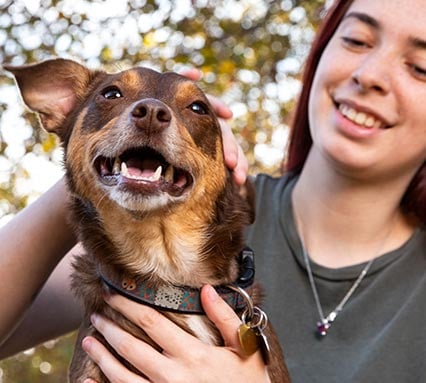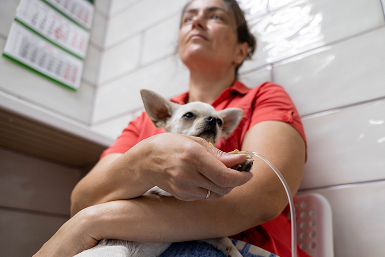
Winter brings cozy nights and holiday cheer, but it also introduces seasonal dangers that catch even experienced pet owners off guard. While most of us know how to protect our pets from extreme cold, these eight hazards lurk in everyday winter scenarios—and recognizing them early could save your pet's life and spare you thousands in emergency vet bills.
Antifreeze use peaks during winter months as we winterize vehicles and protect pipes from freezing. The sweet taste of ethylene glycol attracts pets, but even tiny amounts are deadly. The Merck Veterinary Manual confirms that ethylene glycol intoxication occurs most commonly in cold climates when radiators are flushed and cooling systems maintained.
Signs to watch for:
This is always an immediate emergency. Dogs must be treated within 8-12 hours; cats within 3-4 hours. Just 2.5 tablespoons can kill a 20-pound dog, while as little as 1 teaspoon can be fatal for the average cat.
Treatment ranges from hundreds to thousands of dollars depending on complexity. In the rare severe cases that require dialysis, costs can rise dramatically.
How to prevent it:
The season of feasting becomes hazardous when holiday foods end up in curious mouths. Well-meaning guests and busy kitchens create more opportunities for pets to access dangerous treats. The ASPCA reports that chocolate accounts for around one in eight toxin calls during the holidays.
Signs to watch for:
Any ingestion warrants immediate veterinary consultation. For example, the Pet Poison Helpline warns that dogs are extremely sensitive to xylitol, and even small amounts (as little as 0.1 g/kg) can cause dangerous drops in blood sugar. Similarly, Cornell notes that with grapes and raisins, there’s no safe dose.
Treatment varies from hundreds to thousands based on the toxin. Grape toxicity requiring dialysis may exceed $5,000.
How to prevent it:
During winter, ice melt products are used heavily to keep sidewalks safe from November through March—but they create an often-overlooked hazard for pets. Many formulas contain sodium chloride, potassium chloride, calcium chloride, or magnesium chloride, which can irritate paw pads and become toxic when licked off fur or skin. The ASPCA notes that pets may even find the salty taste appealing.
Signs to watch for:
Seek immediate veterinary care if neurologic signs appear or if vomiting persists beyond 2 hours. According to the ASPCA, vomiting occurs in 30% of ice-melt exposure cases. Ingesting just 1.28 ounces of rock salt could be fatal for a 20-pound dog.
How to prevent it:
Extreme cold causes frostbite when blood vessels constrict to preserve core temperature, leaving extremities vulnerable to tissue freezing. Signs may not appear until days after exposure. The AVMA warns that damage can occur in as little as 30 minutes in below-freezing temperatures.
Signs to watch for:
Seek veterinary care immediately if you suspect frostbite, especially if skin appears black or begins sloughing off. Emergency treatment is critical when frostbite accompanies hypothermia—treat hypothermia first as it's immediately life-threatening.
How to prevent it:
Winter temperatures threaten your pet's core body systems when cold exposure drops body temperature below normal. Those with thin coats, the very young, seniors, and pets with conditions like diabetes or heart disease are especially vulnerable. The AVMA recommends keeping all pets indoors when temperatures fall below 32°F.
Signs to watch for:
This is always an emergency requiring immediate warming and veterinary care. Mild hypothermia has good prognosis with prompt treatment, but severe cases demand aggressive intervention.
How to prevent it:
Winter drives rodents indoors, prompting increased use of rat and mouse poisons from October through March. Cold weather forces mice and rats into our homes and garages—where pets also spend time. Veterinary toxicologists report rodenticide poisoning ranks among the top ten emergency visits. Pets can be poisoned by eating dead rodents or investigating bait stations.
Signs to watch for:
Any suspected exposure demands immediate veterinary care—waiting for symptoms makes treatment harder and more expensive. Keep the poison package to help identify the specific toxin.
Emergency treatment typically costs hundreds to thousands based on poison type and timing.
How to prevent it:
Holiday decorating transforms homes from November through January, surrounding pets with tempting hazards. The sudden appearance of lights, ornaments, and tinsel creates an irresistible playground. Puppies and kittens especially love to chew cords, while adult cats find tinsel particularly enticing.
Signs to watch for:
Electrical injuries and suspected intestinal blockages require immediate emergency care. Even minor electrical burns in the mouth can lead to serious complications.
How to prevent it:
From Thanksgiving through New Year's, the winter holiday season brings more visitors, celebrations, and routine disruptions than any other time of year. Unfamiliar guests, altered spaces, and owner absences trigger anxiety that manifests in both behavioral and physical symptoms.
Signs to watch for:
While stress itself rarely requires emergency treatment, seek veterinary help if pets refuse food for more than 24-48 hours or show severe anxiety or aggression posing safety risks.
How to prevent it:
Winter hazards multiply during the busy holiday season when our attention is divided. Keep the Pet Poison Helpline (855-764-7661) and ASPCA Animal Poison Control (888-426-4435) numbers saved in your phone.
Trust your instincts—if something seems wrong, seek immediate care. Early intervention means the difference between hundreds in preventive care and thousands in emergency treatment. With preparation and awareness, your pet can safely enjoy the holiday season alongside your family. This winter, awareness is your first defense against these overlooked seasonal hazards.
Guest Author
Guest authors for the Healthy Paws blog contribute content based on their research and expertise.