

Learn how and why veterinary bills are increasing, and how a Healthy Paws plan can help.

Healthy Paws protects pets like family and makes peace of mind and more happy, healthy moments possible. Pet parents and industry reviews tell the story.

Rescue organizations across the U.S. received support for adoption efforts and ongoing care for vulnerable pets.

Make their food irresistible with the freshest nutritionally-balanced ingredients.
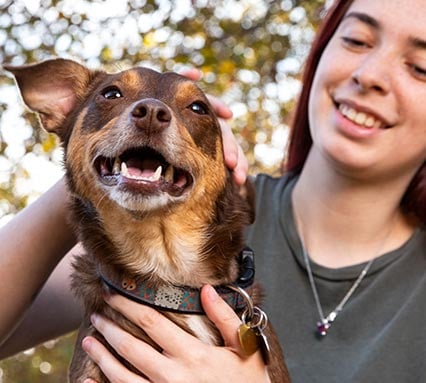
The Healthy Paws Community is a vibrant, social-first space for all pet lovers—whether you’re a Healthy Paws policyholder or simply passionate about pets. As a Pack Member, you can share your favorite pet photos and videos, connect with fellow pet parents, and stay informed with the latest Healthy Paws news and tips. It’s a welcoming place focused on connection, positivity, and celebrating the joy pets bring to our lives!
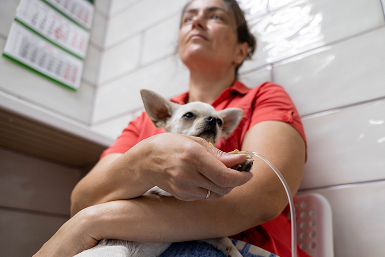
Everyday expenses for a pet now exceed $4,000 a year on average, according to new research. As prices continue to climb, pet owners face tough choices. Pet insurance can be a financial backstop against the unexpected.
Winter seems to make even the most active person—or pet—slow down and tap into their hibernation instincts. But too much inactivity can lead to boredom, which in turn can cause weight gain or behavioral issues.
Keeping your pet active during the winter can improve their mood, help maintain a healthy weight, and stimulate brain activity. But during the coldest months of the year, how do you keep your pet active, healthy, and stimulated? Try these boredom-busters that can help you and your pets enjoy the indoors when it’s too cold to be outdoors.
Hide and Seek
A silly game of hide and seek can be fun for dogs and (curious) cats alike. Hide behind a door or piece of furniture and call to your pet, then reward them when they find you. Even if hiding only involves putting a pillow between you and your pet, this simple activity activates pets’ tracking instincts, and can be repeated multiple times.
Tell us about your pet - get a quick quote
Wand Toys or Fetch
Wand toys can be a great way to exercise your pet. While larger dogs may need extra space for this activity, it works well indoors for smaller dogs and cats. If you don’t have one on-hand, DIY options are fairly simple to make with some electrical tape, PVC pipe, and an existing toy or some ribbon.
Similarly, playing a game of fetch down a hallway can help your pet have fun and stay active. While typically considered a “dog-only” activity, many cats also enjoy playing fetch, as it helps them hone their natural ability to chase, catch, and bring back prey.
DIY Obstacle Course or Maze
This activity needs a little more preparation, but it can be entertaining and rewarding for all involved. For an indoor obstacle course, think couch cushions, dining chairs, pillows, and blankets. For smaller dogs and cats, the obstacles could be as simple as empty boxes, ribbon stretched across a doorway, or even stacks of disposable cups. Create your course, then help your pet navigate it, enticing them with treats, a clicker, or their favorite toy along the way.
For a maze, you can use the same household items, or create a cardboard maze out of old boxes by cutting them and taping them together. The idea is the same, and even if your pet doesn’t solve the maze in the way you intended, their brain will still be stimulated and entertained.
Puzzle Treats or Toys
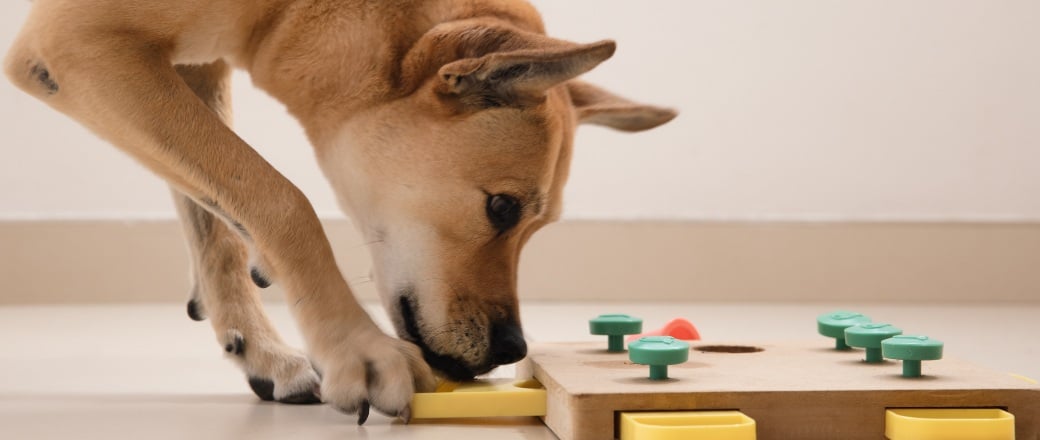
Puzzles of any kind can help activate your pet’s brain, improving their mood and cognitive abilities. Puzzle mats for fast-eating pets are a great option, but puzzles can be created with household items as well, such as toilet paper or paper towel rolls, scissors, and some tape. Dogs and cats enjoy the challenge of finding an object or treat and being rewarded with it at the end, so make sure any homemade puzzles aren’t overly challenging.
New Tricks
Another way to provide both structure and enrichment to otherwise dreary winter days is to work on training. Even cats can enjoy being trained, and both you and your pet will benefit from the process. Whether it’s learning to do a trick like giving a high-five, or improving on your pet’s ability to stay and come on command, training can be broken out into short sessions over multiple days, making it perfect for a winter project.
When all else fails, remember that even a quiet grooming session with your pet can create a positive environment for them, boosting their mood and strengthening your bond. So, when the days and nights get a little too cold, we hope this list helps you and your furry companions stay happier and healthier, together. Try one this week and see how your pet responds!
Author
Guest Author
Guest authors for the Healthy Paws blog contribute content based on their research and expertise.