

Learn how and why veterinary bills are increasing, and how a Healthy Paws plan can help.

Healthy Paws protects pets like family and makes peace of mind and more happy, healthy moments possible. Pet parents and industry reviews tell the story.

Rescue organizations across the U.S. received support for adoption efforts and ongoing care for vulnerable pets.

Make their food irresistible with the freshest nutritionally-balanced ingredients.
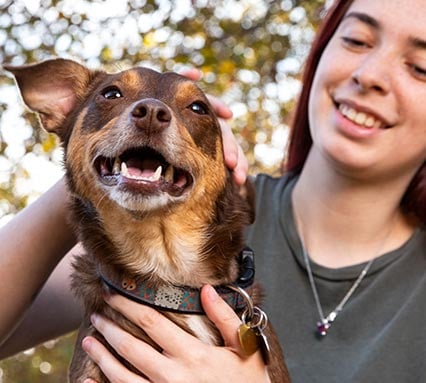
The Healthy Paws Community is a vibrant, social-first space for all pet lovers—whether you’re a Healthy Paws policyholder or simply passionate about pets. As a Pack Member, you can share your favorite pet photos and videos, connect with fellow pet parents, and stay informed with the latest Healthy Paws news and tips. It’s a welcoming place focused on connection, positivity, and celebrating the joy pets bring to our lives!

Many factors influence a pet’s veterinary care. One of the most important factors, however, is the relationship between the veterinarian and the pet parent. High-quality veterinary care requires a collaborative and trusting relationship between these two individuals. When a veterinarian and pet parent work together well, the pet will ultimately benefit.
What is the Vet-Pet Parent Relationship?
All veterinary care happens within the context of a veterinarian-client-patient relationship. This relationship is the legal foundation for veterinary medicine; to care for a pet, a veterinarian must have a relationship with both the pet and the pet parent.
According to the American Veterinary Medical Association (AVMA), the veterinarian and pet parent each have unique responsibilities in this relationship.
The veterinarian’s responsibilities include:
- Accept responsibility for providing the pet’s medical care
- Make clinical decisions for the pet, based on an accurate understanding of the pet’s medical condition
- Advise pet parents about the benefits and risks of specific treatment options
- Monitor progress and adjust treatment as needed
- Provide guidance on how to access emergency care
The pet parent also has responsibilities in this relationship. Their responsibilities include:
- Entrust the veterinarian to make clinical judgments about the pet
- Ask questions to understand diagnoses, treatments, and care plans
- Follow the veterinarian's instructions
While pet parent responsibilities may seem straightforward, they can sometimes prove challenging.
Think carefully about this requirement for pet parents: “follow the veterinarian’s instructions.” In some cases, this is easy. If the veterinarian prescribes an antibiotic, for example, the pet parent must give the antibiotic as directed. In other cases, however, following the veterinarian’s instructions may present a challenge. What if the veterinarian diagnoses the pet with hip dysplasia and instructs the owner to schedule a total hip replacement at a specialty hospital, with an estimated cost of $5,000? What if the veterinarian diagnoses lymphoma and recommends chemotherapy, with an estimated cost of $7,000? Many pet parents would struggle to follow those instructions.
When financial considerations enter the picture, following the veterinarian’s instructions may prove difficult or even impossible. In these cases, veterinarians and pet owners may find themselves having opposing goals. The veterinarian wants the pet to receive the best care possible, maximizing the likelihood of a good outcome. Pet parents must stay within their budget, even when that forces them to decline optimal treatments. Financial constraints can pit pet owners against veterinarians, instead of allowing them to work together towards the shared goal of helping the pet. This can make veterinary care conversations feel more like a business negotiation than a true partnership.
The Role of Pet Insurance
Pet insurance removes financial barriers that can get in the way of a collaborative vet-pet parent relationship. A high-quality pet insurance policy will cover some or all of the costs associated with a pet’s testing and treatments. This allows pet parents to work with their veterinarians to select the best possible care, free of financial constraints.
When financial constraints are removed from the vet-pet parent relationship, pet parents are free to focus on other considerations. Instead of thinking about costs, pet parents can focus on asking questions about their pet’s prognosis, the expected risks and benefits of treatment, and how they can help manage their pet’s condition. This collaboration strengthens the relationship between the veterinarian and pet parent, ultimately improving the level of care that the patient receives. Without financial limitations, the veterinarian and pet parent can work together to develop the best possible care plan for the pet.
By alleviating client financial concerns, pet insurance allows pet parents to truly partner with their veterinarian. This ensures that the pet receives the best possible medical care.

Meet Our Writer
Cathy Barnette, DVM
Cathy Barnette is a veterinarian and freelance writer based in Punta Gorda, FL. Cathy creates educational content for pet owners and veterinary team members. She is passionate about making complex medical information accessible to pet owners, allowing them to partner with their veterinarians to make informed decisions about their pets’ health. In addition to her human family members, she shares her home with one dog, two cats, and a dove. Cathy Barnette on LinkedIn