

Learn how and why veterinary bills are increasing, and how a Healthy Paws plan can help.

Healthy Paws protects pets like family and makes peace of mind and more happy, healthy moments possible. Pet parents and industry reviews tell the story.

Rescue organizations across the U.S. received support for adoption efforts and ongoing care for vulnerable pets.

Make their food irresistible with the freshest nutritionally-balanced ingredients.
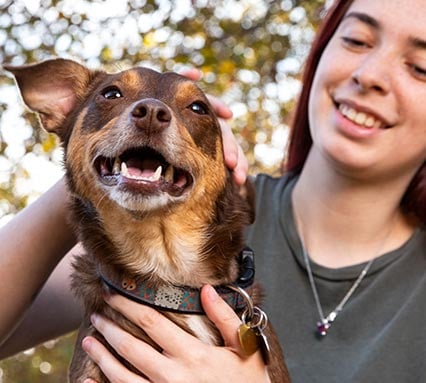
The Healthy Paws Community is a vibrant, social-first space for all pet lovers—whether you’re a Healthy Paws policyholder or simply passionate about pets. As a Pack Member, you can share your favorite pet photos and videos, connect with fellow pet parents, and stay informed with the latest Healthy Paws news and tips. It’s a welcoming place focused on connection, positivity, and celebrating the joy pets bring to our lives!
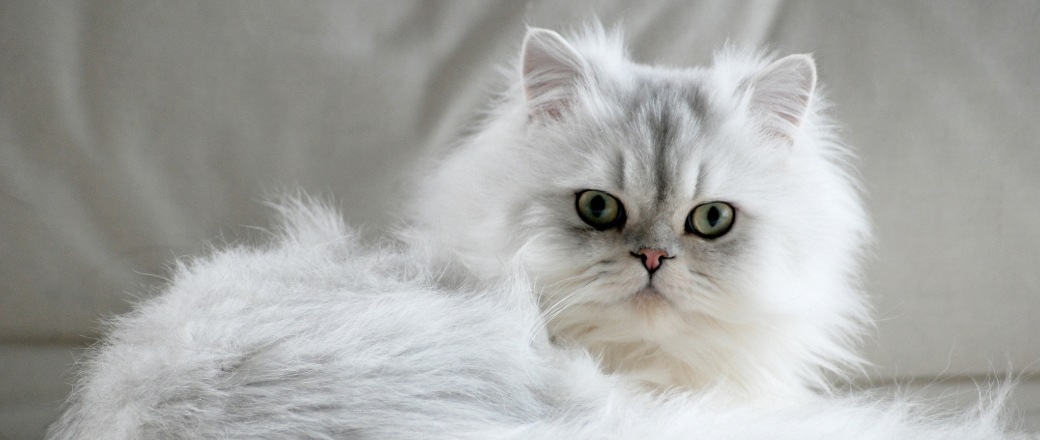
You probably recognize the glamorous coat and flat face of a Persian immediately. These calm, affectionate kitties are the most popular pedigree cat in North America for good reason. While you might just see a ball of fluff, several distinct variations exist within Persian cat breeds.
What Is a Persian Cat?
Persians are an ancient breed known for their long, luxurious fur and sweet personalities. But what does a Persian cat look like beyond the hair? They typically have a round face, short muzzle, small ears and large, expressive eyes, and a sturdy, medium-to-large body with heavy boning. You can find them in almost any color, but silver and gold are popular favorites.
Why the Persian Cat Is So Beloved
Many pet owners struggle to find a more relaxed companion. Persian cats are gentle and prefer lounging on a sofa to climbing high shelves. They get along famously with respectful children and other pets, making them ideal family members.
Physical Distinctions in Persian Cat Breeds
Breeders and enthusiasts often categorize Persians by the shape of their faces. The two main looks in Persian cat breeds include:
- Doll-face: With these Persians, the nose is a normal length, giving the cat a sweet expression without the extreme flatness seen in show rings. These cats often have fewer respiratory issues.
- Peke-face: Show-style Persians have the ultra-flat profile, with a nose that’s aligned directly between their eyes. While striking, you need to monitor them carefully for breathing difficulties and tear duct drainage issues.
Major Types of Persian Cats
You might hear people refer to different types of Persian cats based on size or coat pattern. Here are a few types of Persian cats you should know:
- Teacup Persian: These are simply smaller Persians bred to be tiny. You should be cautious, as breeding for extreme smallness can lead to significant health problems.
- Chinchilla Persian: These cats have pure white fur with black tipping at the ends, giving them a shimmering, silver appearance like a Chinchilla.
- Exotic Shorthair: If you love the personality and look but can’t manage the grooming, the Exotic Shorthair is often called the "lazy person’s Persian."
Pet Insurance for Persian Cats
Although they're adorable, owning a Persian requires a serious commitment to their health. Because of their flat faces, they're prone to respiratory issues, eye conditions, skin infections and dental disease. You might also encounter polycystic kidney disease, which is common in the breed.
Pet insurance helps you manage the costs of these common health conditions in cats. We recommend looking into coverage early, as pre-existing conditions aren't covered. Cat insurance can be a lifesaver for Persian owners.
FAQs About Persian Cat Breeds
Are Persian Cats High-Maintenance?
Yes, their long coats require daily brushing to prevent painful mats. You must also clean their eyes daily to avoid staining and infection. They need regular grooming attention.
What Is the Average Lifespan for Persian Cats?
You can expect a healthy Persian to live between 10 and 17 years. Keeping them indoors and having regular vet checkups helps ensure they reach their full potential.
Are Persian Cats Good Apartment Cats?
Yes, Persians are docile and inactive, making them perfect for small spaces. They often enjoy lounging on the sofa rather than climbing the curtains.
Author
Guest Author
Guest authors for the Healthy Paws blog contribute content based on their research and expertise.