

Learn how and why veterinary bills are increasing, and how a Healthy Paws plan can help.

Read stories of how Healthy Paws has protected pets like family and made peace of mind and more happy, healthy moments possible.

Rescue organizations across the U.S. received support for adoption efforts and ongoing care for vulnerable pets.

Make their food irresistible with the freshest nutritionally-balanced ingredients.
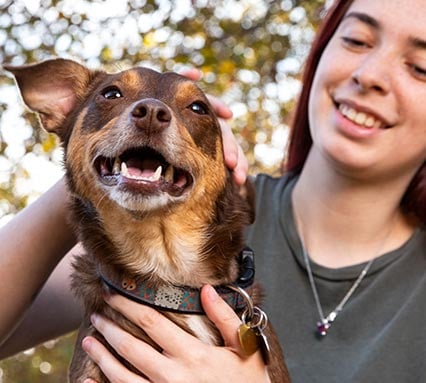
The Healthy Paws Community is a vibrant, social-first space for all pet lovers—whether you’re a Healthy Paws policyholder or simply passionate about pets. As a Pack Member, you can share your favorite pet photos and videos, connect with fellow pet parents, and stay informed with the latest Healthy Paws news and tips. It’s a welcoming place focused on connection, positivity, and celebrating the joy pets bring to our lives!
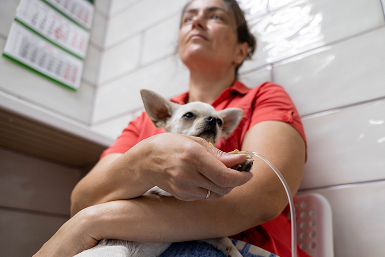
Everyday expenses for a pet now exceed $4,000 a year on average, according to new research. As prices continue to climb, pet owners face tough choices. Pet insurance can be a financial backstop against the unexpected.
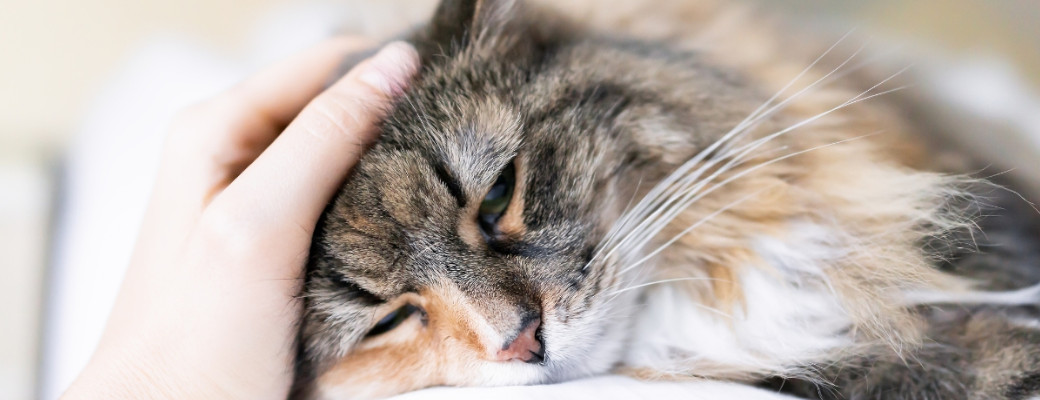
Is your feline friend looking a little rounder than usual? While we might chuckle at the image of a chonky cat, a bloated belly in your feline friend could signal a serious underlying issue.
Keep reading to learn about cat bloat, its causes and symptoms and what you can do to help.
What Is Cat Bloat?
Bloat in cats is when your cat’s stomach or abdomen becomes visibly swollen or enlarged. While occasional gas is normal in cats, persistent or excessive bloating is a red flag that it’s time to call the vet. If your cat is overweight but not bloated, you should take steps to get them more exercise and reduce their food intake.
Tell us about your pet – get a quick quote
Why Do Cats Get Bloated?
There are several reasons why your cat’s stomach is bloated and hard:
- Inflammatory bowel disease. Just like humans, cats can get bowel disease, leading to bloating, vomiting, weight loss and lethargy.
- Gas. Trapped gas in the digestive system can cause bloating, either as a result of diet or an underlying condition.
- Parasites. Intestinal parasites, such as worms, can cause bloating in cats.
- Fluid retention. Fluid buildup in the abdomen can be a sign of serious health issues, such as heart failure, liver disease or kidney disease.
- Feline infectious peritonitis (FIP). FIP is a viral disease that can lead to fluid building up in the abdomen and noticeable bloating.
- Constipation. A buildup of poop in the colon can sometimes contribute to a bloated appearance.
- Organ enlargement. If a major abdominal organ is enlarged, such as the liver, your
- cat’s belly may take on a bloated appearance.
- Abdominal mass. A mass or tumor in your cat’s abdomen could lead to a bloated
- appearance.
It’s important to note that sometimes your cat might look bloated but act normal, but this doesn’t mean there isn’t an issue. Some cats are very good at hiding their feelings and may not show obvious signs of discomfort even when something is wrong internally.
Symptoms of Bloat in Cats
Recognizing the symptoms of bloat is vital so you can get your furry friend the help they need. In addition to your cat’s stomach being bloated, other signs to watch for include:
- Hard or tense belly
- Loss of appetite
- Lethargy
- Vomiting or retching
- Diarrhea
- Changes in breathing
- Panting
- Restlessness
Diagnosis and Treatment
If you suspect your cat is bloated, consult your veterinarian promptly. Don’t attempt to diagnose or treat bloat at home, as some causes can be life-threatening.
A veterinarian may recommend tests to find the underlying cause of the bloat, such as:
- Blood tests and urine tests to assess organ function and rule out systemic diseases
- Fecal examination to check for intestinal parasites
- X-rays or ultrasound to visualize the abdominal organs and identify fluid buildup or masses
- Abdominal fluid analysis to determine the nature of the fluid and help diagnose conditions like FIP
When in Doubt, Check It Out!
Noticing your cat’s belly is bigger than usual can be concerning, and you’re right to pay attention.
You are your feline friend’s best advocate. If you notice any signs of bloating, especially alongside other symptoms like loss of appetite or lethargy, don’t hesitate to reach out to your veterinarian.
Authors
Imogen Sharma
Imogen has been writing professionally for over seven years and has always had a soft spot for animals. She shares her home with three beloved pets: Dylan, an 18-year-old black cat who pretends to be picky but eats just about everything; Polly, a 16-year-old rescue tortie with plenty of tortitude; and Peppy, a playful jug (a pug/Jack Russell mix) who keeps everyone on their toes.
Cathy Barnette, DVM
Cathy Barnette is a veterinarian and freelance writer based in Punta Gorda, FL. Cathy creates educational content for pet owners and veterinary team members. She is passionate about making complex medical information accessible to pet owners, allowing them to partner with their veterinarians to make informed decisions about their pets’ health. In addition to her human family members, she shares her home with one dog, two cats, and a dove. Cathy Barnette on LinkedIn