Compare coverage and benefits to see if Healthy Paws is the right fit for your family.
Learn how and why veterinary bills are increasing, and how a Healthy Paws plan can help.
Read stories of how Healthy Paws has protected pets like family and made peace of mind and more happy, healthy moments possible.
Rescue organizations across the U.S. received support for adoption efforts and ongoing care for vulnerable pets.
Make their food irresistible with the freshest nutritionally-balanced ingredients.
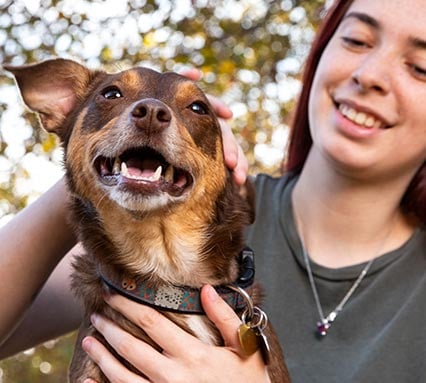
A sudden sneeze from your cat is usually a normal reflex. However, if sneezing happens too often, it may signal an underlying health issue that needs attention. Pinpointing the cause is the first step toward getting your cat the right care.
There are several reasons cats sneeze often, ranging from minor irritations to more complex health problems:
When trying to determine the cause of the sneezing, pay attention to other symptoms. Look for:
A sneeze here and there is normal, but you should contact your vet if the sneezing is persistent or accompanied by any of the other symptoms listed above. You should also seek veterinary care if you notice blood in the nasal discharge or if your cat seems to be in distress.
Yes, Healthy Paws insurance generally covers allergies, as they’re a chronic condition and not an exclusion unless symptoms existed before you bought the policy.
Can Seasonal Allergies Cause Sneezing in Cats?
Yes. Just like people, cats can be sensitive to seasonal allergens, such as pollen from trees, grasses and weeds. If you notice your cat’s sneezing is worse during certain times of the year, seasonal allergies could be the culprit.
How Can I Prevent My Cat From Sneezing so Often?
Keeping a clean home, using dust-free litter and avoiding strong chemical cleaners or air fresheners can help reduce irritants. Regular vet check-ups and keeping your cat up-to-date on vaccinations can also prevent illnesses that cause sneezing.
Do Dogs Sneeze the Same Way Cats Do?
Dogs and cats both sneeze to clear their nasal passages, but underlying causes can differ. For example, dogs may sneeze as a form of communication during play, which is not a behavior typically seen in cats.
Guest Author
Guest authors for the Healthy Paws blog contribute content based on their research and expertise.