

Learn how and why veterinary bills are increasing, and how a Healthy Paws plan can help.

Healthy Paws protects pets like family and makes peace of mind and more happy, healthy moments possible. Pet parents and industry reviews tell the story.

Rescue organizations across the U.S. received support for adoption efforts and ongoing care for vulnerable pets.

Make their food irresistible with the freshest nutritionally-balanced ingredients.
The Healthy Paws Community is a vibrant, social-first space for all pet lovers—whether you’re a Healthy Paws policyholder or simply passionate about pets. As a Pack Member, you can share your favorite pet photos and videos, connect with fellow pet parents, and stay informed with the latest Healthy Paws news and tips. It’s a welcoming place focused on connection, positivity, and celebrating the joy pets bring to our lives!
Everyday expenses for a pet now exceed $4,000 a year on average, according to new research. As prices continue to climb, pet owners face tough choices. Pet insurance can be a financial backstop against the unexpected.
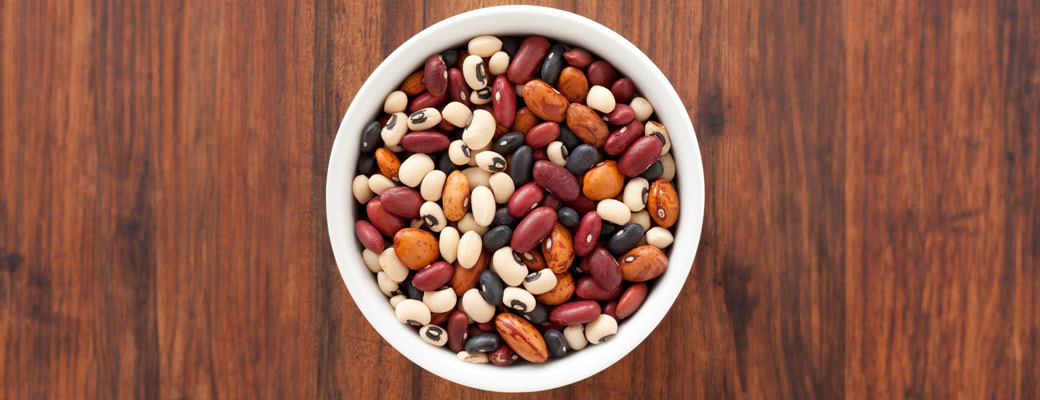
Table of Contents
The quick answer: Not recommended.
Technically, a cat can eat beans, but they are not necessary for a cat to get the nutrients they need and could potentially cause digestive troubles.
Benefits of beans
There can be some benefits to feeding beans to cats, but you should speak with your veterinarian before changing your cat’s diet.
Beans are high in fiber and low in calories. In some special cases, the extra fiber may help with digestive issues, and beans can help as part of a weight loss plan. Again, don’t change your cat’s diet without first consulting your vet. Drastically changing your cat’s diet can cause problems with digestion and malnutrition.
Tell us about your pet - get a quick quote
Hazards of giving beans to cats
As an obligate carnivore, your cat’s digestive system is well-equipped to process meats but not much else. Humans can benefit from the nutrients and proteins found in beans, but a cat’s digestive system cannot process these the same way we do. Feeding beans to your cat could cause tummy troubles like vomiting, gas, and diarrhea.
Plain, cooked beans are the safest to share with a cat. Never feed raw beans or those that contain added salt, sweeteners, or spices, such as baked beans, canned beans, and refried beans.
Beans as a treat
For most cats, if they like beans, then you can give them one bean as an occasional treat. Plain, cooked beans like green beans, black beans, and pinto beans should be safe to share with your cat if she likes them. If your cat comes running for beans, it should be safe to share one to three beans with her.

Meet Our Writer
Stacy Painter
Stacy has always been an animal lover and has worked in the pet industry and pet insurance specifically for over a decade. As a writer since early childhood, content writing for Healthy Paws pet insurance was a natural career path to combine her two passions. She currently lives in Florida with her boyfriend and Taiwanese rescue dog, Kaya.