

Learn how and why veterinary bills are increasing, and how a Healthy Paws plan can help.

Healthy Paws protects pets like family and makes peace of mind and more happy, healthy moments possible. Pet parents and industry reviews tell the story.

Rescue organizations across the U.S. received support for adoption efforts and ongoing care for vulnerable pets.

Make their food irresistible with the freshest nutritionally-balanced ingredients.
The Healthy Paws Community is a vibrant, social-first space for all pet lovers—whether you’re a Healthy Paws policyholder or simply passionate about pets. As a Pack Member, you can share your favorite pet photos and videos, connect with fellow pet parents, and stay informed with the latest Healthy Paws news and tips. It’s a welcoming place focused on connection, positivity, and celebrating the joy pets bring to our lives!
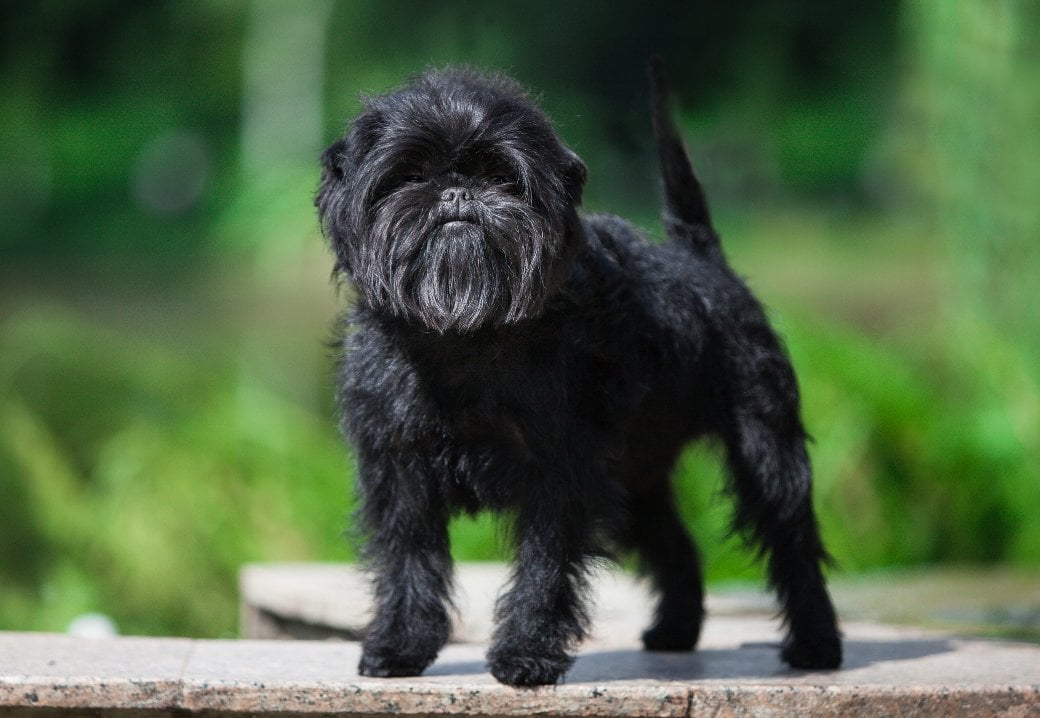
The Affenpinscher is a bold, comical, and clever toy breed known for its scruffy, expressive face and mischievous attitude. Nicknamed the “monkey dog,” this breed was originally developed in Germany to control vermin in homes and stables. Today, the Affenpinscher retains its strong-willed nature and rat-hunting instincts—but now channels that energy into entertaining its family as a devoted and quirky companion.
Learning about the Affenpinscher's personality can help you decide if its mischievous charm is the right fit for your home.
What Is an Affenpinscher?
The Affenpinscher is a small, terrier-like companion dog originating in Europe. Historians trace the breed's development back to Germany, as a descendant of the Schoosbundrassen. Affenpinscher breed characteristics were established by the 18th century, showing a history rooted in utility instead of luxury. These dogs were the original security systems and pest controllers of German homes and stables. Affenpinschers tirelessly hunted and dispatched rats, mice, and other vermin, earning their place as indispensable household members.
What Are the Affenpinscher's Characteristics?
Affenpinschers are known for their charm, curiosity, and confidence. They’re small but sturdy dogs who thrive on attention, interaction, and a bit of mischief.
Size and Appearance
Height: 9–11.5 inches at the shoulder
Weight: 7–10 pounds
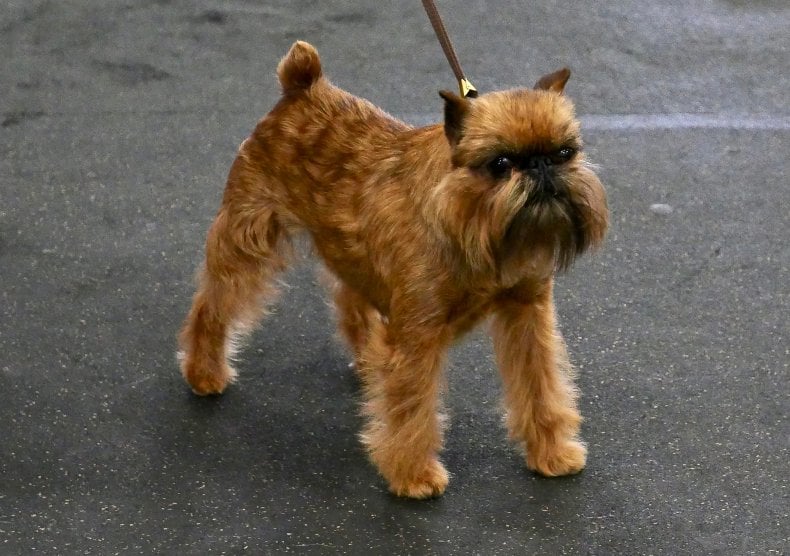
Build: Compact and square, with solid bone for a toy breed
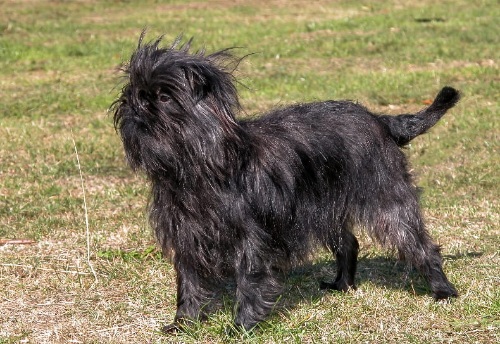
Coat: Dense, harsh, and wiry; often black but can also be gray, silver, red, black and tan, or belge (black and reddish-brown)
Expression: Often likened to a monkey or gremlin—serious, intense, and unmistakably clever
Temperament and Personality
Affenpinschers are brave, animated, and surprisingly independent for such a small breed. They form close bonds with their people and enjoy being involved in everything. Their high intelligence and humor make them delightful, but they need firm, patient training.
Breed Snapshot
| Breed Characteristic | Level (High, Medium, Low) |
| Affectionate with People | High |
| Good with Kids | Medium |
| Good with Pets | Medium |
| Need for Exercise | Medium |
| Energy Level | Medium |
| Intelligence Level | High |
| Able to Be Trained | Medium |
| Amount of Barking | High |
| Amount of Shedding | Low |
How to Care for an Affenpinscher
Owning an Affenpinscher means embracing a breed that needs mental engagement, routine grooming, and consistent training.
Living Environment
Apartment-friendly with proper exercise
Prefer to be close to their humans and dislike being left alone for long periods
Not suited for homes with very young children, due to their size and sensitivity
Exercise and Enrichment
30 minutes of daily activity is typically sufficient
Enjoy brisk walks, chasing toys, puzzle games, and trick training
Despite their size, Affenpinschers are athletic and agile—and they love to explore
Training and Socialization
Smart but stubborn; need short, engaging training sessions
Respond best to positive reinforcement with treats and praise
Early socialization is key to reducing reactivity and excessive barking
Can be territorial, so exposure to a variety of people and situations is important
Grooming Needs
Weekly brushing helps prevent tangles and keeps the coat healthy
Hand-stripping every few months preserves the coat’s wiry texture (clipping softens it)
Clean ears, trim nails, and brush teeth regularly—daily dental care is especially important for small breeds prone to gum issues
Nutrition
Feed a high-quality small-breed formula matched to age and activity level
Monitor portion sizes to avoid weight gain
Puppies need a diet that supports proper growth, while adults do best on two small meals per day
Always provide fresh, clean water
Common Health Concerns
Reputable breeders test their stock for these conditions, but insurance coverage means you're prepared for the unpredictable nature of health.
Orthopedic conditions:
Luxating patella: The kneecap slips out of its groove in the thigh bone, causing lameness. Surgery may be required for severe cases.
Legg-Calvé-Perthes disease: A condition affecting the hip joint where the head of the femur degenerates, causing pain and eventual collapse of the hip joint. Surgical correction is often the recommended path for successful recovery.
Cardiac issues:
Mitral valve disease: In this common issue for many small breeds, one of the heart’s valves fails to close properly, leading to blood leakage and eventually congestive heart failure. Regular cardiac checkups are essential for early detection.
Respiratory and eye issues:
Brachycephalic airway syndrome: Although not severely flat-faced like a pug, the Affenpinscher has a slightly shortened muzzle. This can make the dog susceptible to overheating and breathing difficulties, especially in warm weather or during strenuous exercise.
Cataracts: Clouding of the eye lens that impairs vision. Surgery is available to restore sight, but it's an expensive procedure.
FAQs About the Affenpinscher Dog Breed
Are Affenpinschers Good Family Dogs?
Affenpinschers are good family dogs when raised with older, respectful children. They're affectionate and loyal to their owners, but they're generally unsuited to homes with toddlers due to the risk of accidental injury and the dog's low tolerance for rough handling.
Are Affenpinschers Hard to Train?
Affenpinschers aren't hard to train, but training the breed requires more consistency and creativity than with highly compliant breeds. They're smart dogs, but their independent nature and propensity for boredom mean owners must keep sessions short, fun, and highly rewarding to maintain motivation.
Do Affenpinschers Bark Often?
Affenpinschers bark often because the breed has a highly developed sense of duty as a watchdog. Owners can expect vocal alertness when someone approaches the door or when the dog detects unusual activity. Early training focused on the quiet command can be extremely helpful for managing their protective instincts.
Does the Affenpinscher Have Health Issues?
Yes, the Affenpinscher does have health issues, but the breed generally enjoys a long lifespan. They're predisposed to orthopedic problems, such as luxating patella and cardiac concerns like mitral valve disease. Routine veterinary care and proper insurance give your pet the best possible health outcomes.
Author
Guest Author
Guest authors for the Healthy Paws blog contribute content based on their research and expertise.