

Learn how and why veterinary bills are increasing, and how a Healthy Paws plan can help.

Healthy Paws protects pets like family and makes peace of mind and more happy, healthy moments possible. Pet parents and industry reviews tell the story.

Rescue organizations across the U.S. received support for adoption efforts and ongoing care for vulnerable pets.

Make their food irresistible with the freshest nutritionally-balanced ingredients.
The Healthy Paws Community is a vibrant, social-first space for all pet lovers—whether you’re a Healthy Paws policyholder or simply passionate about pets. As a Pack Member, you can share your favorite pet photos and videos, connect with fellow pet parents, and stay informed with the latest Healthy Paws news and tips. It’s a welcoming place focused on connection, positivity, and celebrating the joy pets bring to our lives!
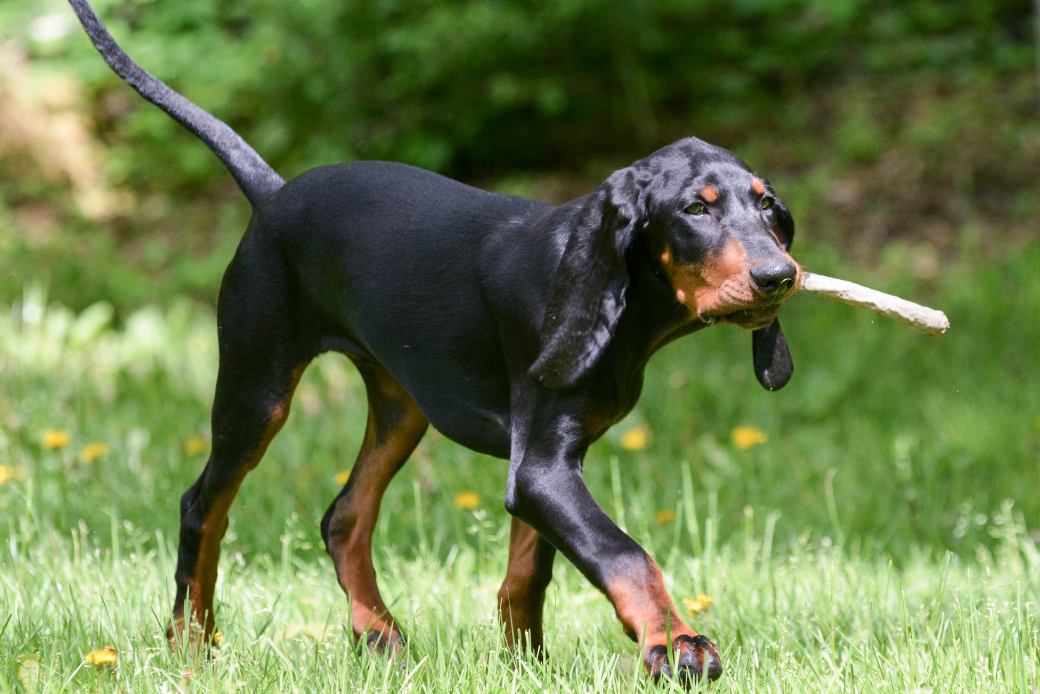
The Black and Tan Coonhound is a classic American scent hound, best known for its deep baying voice, sleek black-and-tan coat, and extraordinary sense of smell. Originally bred to track raccoons through rugged terrain and thick brush, this breed combines strength, stamina, and a surprisingly gentle disposition.
Though still used in hunting today, the Black and Tan Coonhound is also a devoted companion dog. With the right home environment and consistent training, these hounds make affectionate, easygoing, and deeply loyal family members.
What Is a Black and Tan Coonhound?
A black and tan coonhound is a large scent hound originally bred in the United States to track raccoons and opossums. Recognized formally by the AKC in 1945, the breed traces its lineage back to the foxhound and the bloodhound. Early American settlers needed a dog capable of handling the rigors of the frontier, navigating rough terrain and working at night. The result was a hunter with the endurance to run for miles and the courage to chase game up a tree and hold it there until the handler arrived.
While working dogs at heart, these hounds adapt surprisingly well to family life. Social by nature, the breed enjoys the company of other dogs and humans, but its independent nature remains. That self-reliance served them well in the woods, but it can be challenging for first-time dog owners.
Black and tan coonhound personality traits include being bright, brave, easygoing and reliable. Although they’re typically friendly with children and deeply devoted to their human pack, the breed is often reserved around strangers. As such, it's important to begin socialization and training as soon as you bring home your black and tan coonhound puppy.
What Are the Black and Tan Coonhound’s Breed Characteristics?
These hounds are as versatile as they are vocal—relaxed at home but driven in the field. They’re scent-focused, smart, and independent, with a strong sense of loyalty to their family.
Size and Appearance
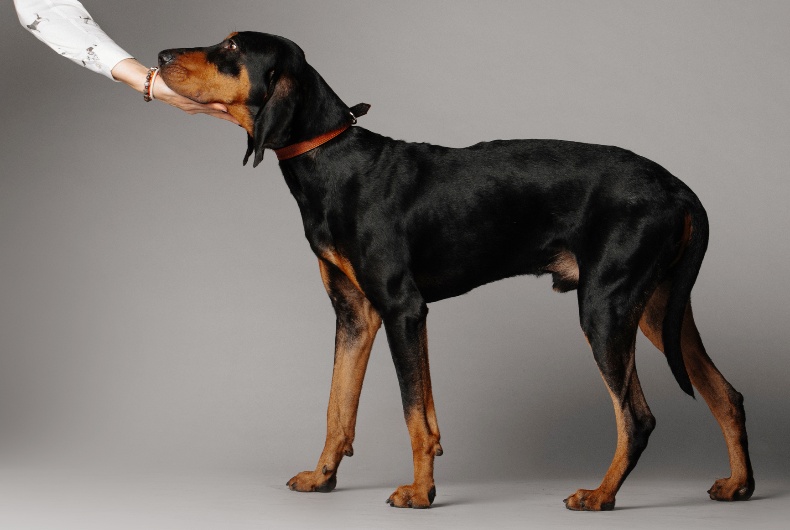
Males: 25–27 inches tall, 65–110 pounds
Females: 23–25 inches tall, slightly lighter build
Coat: Short, dense, weather-resistant
Color: Always black with tan markings on muzzle, chest, legs, and “pumpkin seed” eyebrows
Ears: Long, low-set and velvety—stirring scent toward the nose as they track
Temperament and Personality
Black and Tan Coonhounds are brave, gentle, and highly independent. They enjoy companionship, get along well with other dogs, and are affectionate with their families. However, they’re often aloof with strangers and may not always be obedient—especially when following a scent.
Breed Snapshot
| Breed Characteristic | Level (High, Medium, Low) |
| Affectionate with People | High |
| Good with Kids | High |
| Good with Pets | High |
| Need for Exercise | High |
| Energy Level | Medium |
| Intelligence Level | High |
| Able to Be Trained | Medium |
| Amount of Barking | High |
| Amount of Shedding | Medium |
Breed Snapshot
| Breed Characteristic | Level (High, Medium, Low) |
| Affectionate with People | High |
| Good with Kids | High |
| Good with Pets | High |
| Need for Exercise | High |
| Energy Level | Medium |
| Intelligence Level | High |
| Able to Be Trained | Medium |
| Amount of Barking | High |
| Amount of Shedding | Medium |
How to Care for a Black and Tan Coonhound
Caring for a Black and Tan Coonhound means embracing their tracking instincts, protecting those iconic ears, and making sure they get regular physical and mental stimulation.
Living Environment
Thrive in homes with large, fenced yards
Not suited for apartment living or tight urban spaces
Need human companionship—can become vocal if left alone too long
Exercise and Enrichment
Require 60–90 minutes of daily activity
Long walks, hikes, and off-leash play (in enclosed areas) are ideal
Scent games, puzzle toys, and tracking work help satisfy their mental drive
Secure fencing is essential—these dogs will follow their nose wherever it leads
Training and Socialization
Independent thinkers—may follow their instincts over commands
Respond well to food-motivated, positive reinforcement training
Start socialization early to reduce shyness or aloofness with strangers
Avoid harsh corrections—sensitive dogs may shut down or become stubborn
Grooming Needs
Weekly brushing to remove loose hair and distribute skin oils
Regular ear care is a must—long ears are prone to infection
Clean ears weekly and watch for signs of odor, redness or discharge
Bathe as needed and trim nails every few weeks to prevent overgrowth
Nutrition
Feed a balanced, age-appropriate diet for large, active dogs
Monitor weight—these dogs can become overweight if overfed
Avoid exercise right before or after meals to reduce the risk of bloat
Split meals into two or three per day for digestive health
Provide constant access to fresh water
Common Health Concerns
Black and Tan Coonhounds are generally healthy, but like many large breeds, they can be prone to:
Hip dysplasia
Ear infections (due to long, drooping ears)
Bloat (gastric dilatation-volvulus)
Eye conditions, such as entropion or cataracts
Obesity (if exercise is limited or feeding isn’t monitored)
Routine vet checkups, proper care, and pet insurance can help catch and treat issues early.

Should I Get Pet Insurance for My Black and Tan Coonhound?
Pet insurance is a smart consideration for black and tan coonhound owners because, while generally sturdy, big dogs often face specific health conditions.
Because black and tan coonhounds are prone to ear infections and may face large-breed health issues such as hip dysplasia or bloat, having coverage is a great way to help cover the costs of veterinary care. It allows the focus to stay on your dog's recovery rather than worrying about unexpected expenses.
FAQs About the Black and Tan Coonhound Dog Breed
Are Black and Tan Coonhounds Good Family Dogs?
Yes, families generally find them to be friendly, easygoing and affectionate. Bonding closely with their "pack" makes them wonderful companions for children, provided interactions are supervised.
Are Black and Tan Coonhounds Hard to Train?
Training an intelligent, independent dog can be challenging, especially for beginners. You should expect a dog that thinks independently rather than follows commands. Remember, patience, consistency and some tasty treats are your best friends on this journey. Keep encouraging them and enjoy the bonding experience.
Do Black and Tan Coonhounds Bark Often?
Yes, vocalizations are common, specifically bays and howls. They may be more vocal when they're bored or isolated, so providing plenty of companionship and engaging activities may help them remain happy and quiet.
Does the Black and Tan Coonhound Have Health Issues?
Generally healthy, the breed still faces risks such as hip dysplasia, ear infections, eye issues and bloat. Regular vet visits and preventative care are essential for a long, healthy life.
Author
Guest Author
Guest authors for the Healthy Paws blog contribute content based on their research and expertise.