

Learn how and why veterinary bills are increasing, and how a Healthy Paws plan can help.

Healthy Paws protects pets like family and makes peace of mind and more happy, healthy moments possible. Pet parents and industry reviews tell the story.

Rescue organizations across the U.S. received support for adoption efforts and ongoing care for vulnerable pets.

Make their food irresistible with the freshest nutritionally-balanced ingredients.
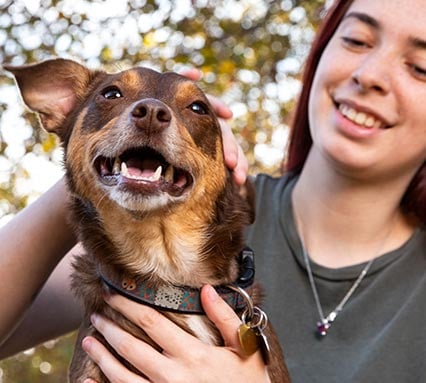
The Healthy Paws Community is a vibrant, social-first space for all pet lovers—whether you’re a Healthy Paws policyholder or simply passionate about pets. As a Pack Member, you can share your favorite pet photos and videos, connect with fellow pet parents, and stay informed with the latest Healthy Paws news and tips. It’s a welcoming place focused on connection, positivity, and celebrating the joy pets bring to our lives!

Introduction to Corgis
There are two different breeds of Corgis, the Pembroke Welsh Corgi and the Cardigan Welsh Corgi. Pembrokes are the more popular breed, although they are the younger of the two Corgi breeds. These two breeds of dogs are similar but have their own unique differences, too.
In general, Corgis are small, agreeable household dogs that are lively herders. They are affectionate and make excellent companion dogs. Both breeds come from Wales, where they once helped herd cattle for farmers. People love these dogs today because they are affectionate, loyal, and intelligent.

Size of Corgis
Cardigan Corgis are larger than Pembroke Corgis. Both breeds are about the same height and about 10 to 12 inches tall. Pembrokes don’t usually exceed 30 pounds in weight, while Cardigans can get up to about 38 pounds. This is a significant difference for such short dogs.
Here’s how big you can expect your Pembroke Corgi to get:
| Weight Chart | 3 months | 6 months | 12 months |
| Male Pembroke Corgis | 9.6-12.9 pounds | 17.3-23.6 pounds | 22.1-30.4 pounds |
| Female Pembroke Corgis | 9.6-12.1 pounds | 17.3-22.1 pounds | 22.1-28.4 pounds |
Meanwhile, Cardigan Welsh Corgis will reach weights up to 30-38 pounds as males and 25-34 pounds as females when fully grown.
Characteristics of Corgis
Corgis are agile dogs with powerful legs and a muscular build. Pembrokes are sensitive and enjoy lots of human interaction. These dogs respond well to training and are known for being independent and fearless. Many people like Pembrokes as watchdogs because of their heightened senses and hearty bark. The best way to tell one type of Corgi from the other is by looking at the tail. Pembrokes have short tails, while Cardigans have long tails.
Cardigan Welsh Corgis are also powerful dogs that are excellent guardians and faithful to their owners. They typically get along well with kids and pets, and they love the outdoors. These rugged dogs need to be mentally and physically stimulated to live a healthy and happy life.
As you get to know a Corgi’s personality, here’s what you can expect based on his or her breed characteristics:
| Breed Characteristic | Level (High, Medium, Low) |
| Affectionate with People | High |
| Good with Kids | Medium |
| Good with Pets | Medium |
| Need for Exercise | High |
| Energy Level | High |
| Intelligence Level | High |
| Able to Be Trained | High |
| Amount of Barking | High |
| Amount of Shedding | High |
Although Corgis are intelligent, they are also known to be stubborn and prone to nipping if not properly trained. Corgis also have a tendency to bark at lots of different things and they are highly energetic dogs that need a lot of exercise. Overall, these are adaptable dogs that do better in cold weather than hot weather. They shed a lot but don’t drool often and are generally easy to groom.
https://youtu.be/Ul-tEe2ghIo
History of Corgis
The history of the Cardigan Welsh Corgi dates back over a thousand years ago. These dogs were named for the medieval kingdom of Cardiganshire, Wales, and this is one of the oldest British dog breeds. They were bred to be low to the ground to be able to nip at the heels of cattle. They were used on long cattle drives and commonly used as farm dogs and hunting dogs.
Pembroke Welsh Corgis have been considered a separate breed from Cardigans by some people since the late 1800s.The American Kennel Club began recognizing them as separate breeds in 1934. Pembrokes originated in Pembrokeshire, Wales and have a history steeped in Welsh legends. These dogs were also used to take care of families’ cattle and became favorite dogs among children. It is believed the Pembrokes possibly descended from a Swedish cattle dog known as the Vallhund, which was brought to Wales by Vikings, or maybe by Flemish weavers in the 12th century.

Corgis Standard Information
Since Pembrokes and Cardigans are separate breeds, they have different breed stand information, according to the American Kennel Club. This information is interesting to learn about not only if you want to professionally show dogs, but also just to compare your dogs to other similar ones and understand their background and characteristics better.
Here is an overview of the breed standard information for both types of Corgis.
Pembroke Welsh Corgi Standard Highlights
- Sturdy build
- Intelligent and interested expression
- Not shy or vicious
- Foxy head shape
- Neither dish-faced or Roman-nosed muzzle
- Rib cage well sprung
- Short forequarters and oval feet
- Ample bone, strong, and flexible hindquarters
- Medium-length short, and thick coat
- Outer coat red, sable, fawn, black, and tan with or without white markings
- Free and smooth gait
Cardigan Welsh Corgi Standard Highlights
- Low set with a deep chest
- Alert, gentle, and watchful expression
- Medium to large eyes, not bulging
- Long and muscular neck without throatiness
- Tail set low on the body line
- Moderately broad chest tapers to a deep brisket
- Hindquarters slightly less wide than shoulders
- Medium length, dense coat
- Coloration can be all shades of red, sable, brindle, black without tan or brindle points, blue merle
- Effortless gait with freedom of movement
Caring for Corgis
Corgis have thick coats that should be brushed regularly to keep them looking healthy. These dogs will shed frequently and baths help to loosen up dead hair. Corgis also require daily exercise, due to their high energy levels.
Here are some general tips for taking the best care of a Corgi.
Best Living Environments:
- Well-suited for apartment living, as long as they get outdoor exercise
- No extreme hot or cold
- No young children in the household
- Someone home for most of the day with the dog
- Fenced yard
- Access to hiking trails
Type of Exercise:
- Moderate daily exercise for approximately one hour per day
- Give Corgis a job to do
- Long walks
- Slow jogs but not alongside a bicycle
Mental Enrichment:
- Agility and obedience games
- Off-leash training for stimulation
- Play sessions with other dogs
Training Strategies:
- Socialize puppies early to get used to various people and situations
- Reward-based training works best
- Sensitive dogs who need patience while training
- Start training between seven weeks and four months of age
Grooming Tips:
- Brush coat only once the dog is completely dry after baths
- Trim nails regularly
- Check ears for cleanliness
Anyone who wants to care for a Corgi should have enough time and energy to keep the dog exercised, entertained, and comforted when feeling frightened. Both breeds of Corgis love being around people and pick up on people’s cues easily. Some Corgis have a reputation for seeming a bit bossy. Dog trainers often note that Cardigans are the more reserved of the two Corgi breeds, while Pembrokes are a little more outgoing.

Common Health Problems of Corgis
Corgis are generally healthy dogs, but they are still prone to developing certain health issues over time. Corgis often struggle with obesity, so their diets should be closely monitored. Corgis can also be somewhat accident-prone because of their attraction to high places, such as kitchen tables and the tops of sofas. These places can cause accidents that result in broken bones and other medical issues. Corgis should be discouraged from jumping off high surfaces or running up and downstairs in a home as much as possible.
So that you are aware of what to keep an eye out for, these are some of the most common health issues that arise with Corgis.
- Von Willebrand’s disease (a bleeding disorder)
- Cardiac issues
- Degenerative myelopathy
- Eye disorders
- Ear infections
- Intervertebral disk disease (back problems)
The National Breed Club recommends that Pembroke Corgis get hip evaluations and ophthalmologist evaluations to detect potential health issues as early as possible. Meanwhile, Cardigans should get hip evaluations, degenerative myelopathy DNA tests, and PRA genetic tests or clearance via parentage. If taken care of well, Corgis will typically live for about 11 to 13 years.
Diet and Nutrition for Corgis
Corgis typically need about ¾ cup to 1 ¾ cups of dry dog food per day, depending on the calorie content of the food and the dog’s activity level. Cardigans may need a bit more food than Pembrokes, based on their larger size.
The food should be split into two meals, one in the morning and one in the evening, rather than leaving food out all day long. Corgis enjoy a good meal and are prone to overeating. To ensure that your Corgi isn’t becoming overweight, check to make sure you can see the dog’s waist and feel the ribs without pressing very hard on the body. To ensure good eating habits, Corgis should be monitored closely while eating and not allowed to freely graze or have too many treats.
Where to Adopt or Purchase Corgis
There are various online resources available if you want to adopt a Corgi, including AdoptAPet.com. Here, you can find a Corgi by location based on where you live. Petfinder.com also offers pet adoption resources. There are regional affiliate clubs and rescue organizations that serve different parts of the country, such as the Lakeshore Pembroke Welsh Corgi Club and the North Texas Pembroke Welsh Corgi Fanciers.
While you can sometimes find Corgis at animal shelters, they are often quickly discovered by rescue groups and adopted out in this way. There is also the Pembroke Welsh Corgi Club of America, which was founded in 1936 and can help you find a rescue organization that serves your area. To find a reputable breeder who follows the rules and regulations of the American Kennel Club, check out the AKC Marketplace PuppyFinder.
Related Breeds
Corgis are wonderful dogs for some people, but not everyone, due to their shedding, need for exercise, and mostly indoor lifestyle. If you are interested in Corgi dogs, you might also be curious to learn about related breeds, including these:
- Drever
- Dachshund
- Swedish Vallhund
- Teddy Roosevelt Terrier
- Lancashire Heeler
Pet Insurance for Corgis
Regardless of how old your Corgi is or which breed of Corgi you have, pet insurance is a great idea for these dogs. Healthy Paws offers a pet insurance plan for Corgis with no caps on annual or lifetime payouts and most claims processed within two days. Our insurance team is here to protect you and your Corgi from unexpected misadventures and even conditions that are hereditary and congenital.
We are committed to our customers and have a 98 percent satisfaction rating at Consumers Advocate. Tell us just a bit about your pet and we’ll provide you with a free and instant quote to help you care for and protect your best furry friend.