

Learn how and why veterinary bills are increasing, and how a Healthy Paws plan can help.

Healthy Paws protects pets like family and makes peace of mind and more happy, healthy moments possible. Pet parents and industry reviews tell the story.

Rescue organizations across the U.S. received support for adoption efforts and ongoing care for vulnerable pets.

Make their food irresistible with the freshest nutritionally-balanced ingredients.
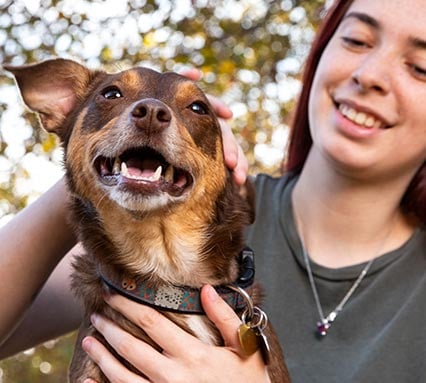
The Healthy Paws Community is a vibrant, social-first space for all pet lovers—whether you’re a Healthy Paws policyholder or simply passionate about pets. As a Pack Member, you can share your favorite pet photos and videos, connect with fellow pet parents, and stay informed with the latest Healthy Paws news and tips. It’s a welcoming place focused on connection, positivity, and celebrating the joy pets bring to our lives!

The Kerry blue terrier is a spirited and intelligent breed known for its striking blue-gray coat and boundless enthusiasm. Originally from Ireland, this lively dog combines affectionate companionship with impressive working abilities.
Interestingly, Kerry blue terrier puppies are born black. Their coat gradually transitions into the signature blue shade over the first 18 months, making the transformation part of the breed's unique appeal.
At Healthy Paws, we celebrate every breed’s special qualities. In this breed guide, we explore the Kerry blue terrier’s personality, health needs, care, feeding and why pet insurance can be a smart choice for your furry companion.
Size of Kerry Blue Terriers
When fully grown, a Kerry blue terrier will typically weigh between 30 and 40 pounds. Males stand about 18 to 19.5 inches tall at the shoulder, while females are slightly smaller at 17.5 to 19 inches. These dogs are medium-sized, sturdy and athletic without being bulky.
Kerry blue terrier puppies grow steadily through their first year and often reach half their adult weight by 6 months. Here’s a general look at their growth patterns:
| Age | Male Kerry Blue Terriers | Female Kerry Blue Terriers |
| 3 months | 12 - 18 lbs. | 10 - 16 lbs |
| 6 months | 20 - 28 lbs. | 18 - 26 lbs |
| 9 months | 26 - 34 lbs. | 24 - 32 lbs. |
| 12 months | 30 - 40lbs. | 28 - 38 lbs. |
Characteristics of Kerry Blue Terriers
The Kerry blue terrier dog was originally bred as a working farm dog, capable of hunting vermin, herding sheep and guarding property. These instincts still influence the breed’s modern personality.
Kerry blues are affectionate with family members and enjoy being included in everyday activities. Their intelligence and spunky attitude make them lively companions who thrive on attention and stimulation.
Here’s what you can expect based on the breed’s typical characteristics:
| Breed Characteristic | Level (High, Medium, Low) |
| Affectionate with People | High |
| Good with Kids | Medium |
| Good with Pets | Medium |
| Need for Exercise | High |
| Energy Level | High |
| Intelligence Level | High |
| Able to be Trained | High |
| Amount of Barking | Medium |
| Amount of Shedding | Low |

History of Kerry Blue Terriers
The blue terrier was developed in County Kerry, Ireland, and served as a multipurpose working dog for farmers and hunters. These dogs needed to hunt vermin, guard property, herd sheep and retrieve game from land and water — a true jack-of-all-trades.
While the exact origins of the breed are unknown, it is believed that Irish wolfhounds and soft-coated wheaten terriers may have contributed to the development of the blue terrier. By the early 20th century, the Kerry blue terrier had gained enough popularity to earn a spot in dog shows and was officially recognized by the American Kennel Club in 1922.
Today, Kerry blue terriers are celebrated both for their working skills and their joyful companionship.
Kerry Blue Terrier Standard Information
The breed standard describes a Kerry blue terrier as well-balanced and muscular. Here are some key features of the breed standard:
Head:
- Long and proportionate
- Flat skull with a moderate stop (the indentation where the nose meets the forehead)
- Dark, medium-sized eyes with a keen expression
- V-shaped ears that fold forward
- Strong jaws and a black nose
Neck, Topline, Body:
- Neck is clean and moderately long
- Topline is level and strong
- Chest is deep and broad
- Tail is set high and carried erect (traditionally docked where permitted)
Forequarters:
- Shoulders are fine and sloping
- Legs are straight and well-boned
- Feet are fairly round and compact
Hindquarters:
- Thighs are long and muscular
- Hocks near the ground
Coat:
- Soft, dense, and wavy
Color:
- Any shade of blue gray from the deep slate to light blue gray
- Uniform coloration preferred but small white markings or darker areas are permissible
- Puppies are born black and transitions (a process called clearing) to the mature gray blue or blue gray color by 18 months of age
Gait:
- Full freedom of action

Caring for Kerry Blue Terriers
Kerry blue terriers are lively, fun, loyal and full of personality, but they do require attentive care to thrive.
Here are some tips for providing the best environment for a Kerry blue:
Best Living Environments:
- Homes with fenced yards are ideal
- Apartments may work if rigorous exercise needs are met
- Thrive when close to their human family
Type of Exercise:
- Daily walks, vigorous play, and agility training
- At least an hour of activity per day
- Enjoy hiking, running, and canine sports
Mental Enrichment:
- Puzzle toys and games to challenge their minds
- Regular training sessions
- Opportunities to explore new environments
Training Strategies:
- Respond well to positive reinforcement
- Start early socialization with people and pets
- Firm yet gentle leadership helps manage stubborn tendencies
Grooming Tips:
- Brush thoroughly two to three times a week
- Schedule professional grooming every 6 to 8 weeks or learn how to properly scissor coat yourself
- Check ears regularly and clean as needed
- Brush teeth daily
- Trim nails as needed (often monthly)
Even though they do not shed much, grooming is important to keep their skin healthy and their coat free from mats.
Common Health Problems of Kerry Blue Terriers
The average Kerry blue terrier lifespan ranges from 12 to 15 years. They are generally healthy dogs, but like all breeds, they can be prone to certain genetic conditions.
Some potential health concerns include:
- Cancer
- Skin conditions like cysts and warts
- Autoimmune disorders
- Progressive neuronal abiotrophy (a rare nervous system disorder)
- Hip dysplasia
- Eye conditions, such as cataracts and dry eye
- Von Willebrand’s disease (a blot clotting disorder)
- Thyroid disease
Choosing a reputable breeder who tests for conditions like these can help support your puppy’s long-term health. Routine vet visits are also essential to catch any issues early. The Canine Health Information Center recommends that Kerry blue terriers be screened for the following conditions before breeding:
- Degenerative myelopathy (a neurologic disorder affecting the spinal cord)
- Hip dysplasia
- Eye problems
- Von Willebrand’s disease
- Factor XI Deficiency (a blood clotting disorder)

Diet and Nutrition for Kerry Blue Terriers
A high-quality, balanced diet is important for keeping your Kerry blue terrier fit and healthy.
Most adult Kerry blue terriers will thrive when eating high-quality, nutritionally complete and balanced dog food. If you feed your wire fox terrier homemade dog food, make sure you are working from a recipe that is designed by a veterinary nutritionist and appropriate for your dog’s age and health status.
General tips include:
- Feed adult dogs two portioned meals a day.
- Puppies should eat three to four meals a day.
- Offer puppy food formulated for medium breeds until around 12 months.
- Feed the amount of dog food needed to keep your pet slim.
- Avoid overfeeding treats, which can lead to obesity.
- Always have fresh water available.
Talk to your veterinarian if you have any questions about your Kerry blue terrier’s diet or health.e to reduce the risk of bloating or digestive upset.
Where to Adopt or Purchase Kerry Blue Terriers
If you're considering adding a Kerry blue terrier to your family, start by connecting with reputable sources.
- The United States Kerry Blue Terrier Club offers breeder listings and helpful resources for prospective owners.
- Rescue organizations, such as Adopt-a-Pet and Petfinder, may also have Kerry blue terriers looking for new homes.
Whether you adopt or purchase, it's important to find a responsible source who prioritizes health, temperament, exercise and proper socialization.
Related Breeds
If you love the Kerry blue terrier's personality and charm, you might also be interested in these similar breeds:
- Soft coated wheaten terrier
- Irish terrier
- Airedale terrier
- Bedlington terrier
- Border terrier
Each has its own special quirks and qualities but shares a love for life and family loyalty.
Pet Insurance for Kerry Blue Terriers
We highly recommend signing your Kerry blue terrier up for pet insurance as soon as possible. Healthy Paws offers insurance plans for Kerry blue terrier puppies and adults, covering accidents, illnesses, chronic conditions, hereditary issues, emergency care and alternative treatments.
With our top-rated Kerry blue terrier plans and quick claims processing, you can visit any licensed vet in the United States and receive reimbursement for covered treatments. Most claims are processed within 2 days, and submitting claims is simple through our app or website.
Please visit our quote page today to see your Kerry blue terrier insurance rate and take the next step in protecting your pet.