

Learn how and why veterinary bills are increasing, and how a Healthy Paws plan can help.

Healthy Paws protects pets like family and makes peace of mind and more happy, healthy moments possible. Pet parents and industry reviews tell the story.

Rescue organizations across the U.S. received support for adoption efforts and ongoing care for vulnerable pets.

Make their food irresistible with the freshest nutritionally-balanced ingredients.
The Healthy Paws Community is a vibrant, social-first space for all pet lovers—whether you’re a Healthy Paws policyholder or simply passionate about pets. As a Pack Member, you can share your favorite pet photos and videos, connect with fellow pet parents, and stay informed with the latest Healthy Paws news and tips. It’s a welcoming place focused on connection, positivity, and celebrating the joy pets bring to our lives!
Everyday expenses for a pet now exceed $4,000 a year on average, according to new research. As prices continue to climb, pet owners face tough choices. Pet insurance can be a financial backstop against the unexpected.
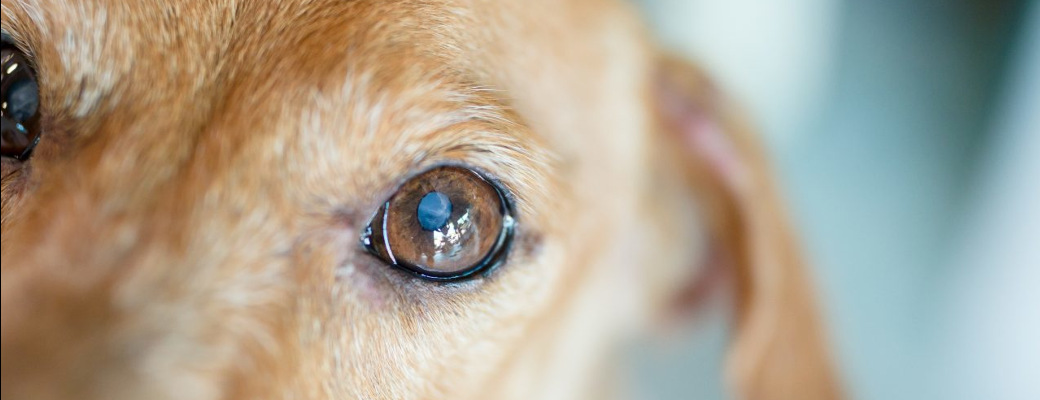
Table of Contents
Key Takeaways
- A particularly common issue that affects senior dogs is blindness.
- If your dog is losing his or her sense of sight, some signs may include loss of interest in exploring or playing, cloudy eyes, changes in behavior, or fear and anxiety.
- Dogs with impaired vision can still live happy and full lives.
Similar to humans, dogs experience a range of health issues as they grow into their golden years. A particularly common issue that affects senior dogs is vision impairment. This is typically caused by cataracts, glaucoma, or macular degeneration, but can also be secondary to other medical disorders such as hypertension, chronic dry eye, and diabetes.
It’s very rare for blindness to happen “overnight.” Full vision impairment can take many months or even years, which is why preventative care and regular veterinary checkups are so important in identifying underlying issues in the early stages.
Clinical Signs of Blindness
Because blindness typically happens gradually, it can sometimes be difficult to notice vision changes. In some cases, these signs can even be mistaken for other conditions.
Subtle Signs
- Not venturing into new spaces / sticking to the same rooms in your home
- Aggressive or defensive behavior
- Anxiety, fear, and depression
- Reduced desire to play/engage in previous activities once loved
More Obvious Signs
- White Spots- Some dogs develop lipid or calcium deposits on their corneas, which may affect vision depending on their locations.
- Cloudy Eyes — An opaque appearance to the eye can indicate glaucoma or cataracts. With glaucoma, there are also other signs present, such as eye bulging, inflammation, or discharge. It is important to know that many older dogs develop lenticular sclerosis as they age, which also results in an opaque appearance to the cornea. This condition does not impair vision, however, and a veterinarian can help decipher between this and cataracts (which can affect vision) during a checkup.
- Abnormal Pupil Dilation — Canine pupils should dilate and constrict in dark and bright light just as human pupils do. If pupils do not constrict in the presence of bright light, it is a sign of vision loss.
- Clumsy Behavior — Dogs that bump into furniture, misjudge their steps, or generally act clumsy, may be doing so because they can’t see clearly. This can be especially apparent when you rearrange furniture or when you take your pup to a new location.
If you suspect your dog’s vision is impaired, consult your veterinarian right away. At your appointment, clearly convey your concerns and explain some of the behaviors you’ve noticed. Your vet will carefully examine your dog, perform some tests, and make a diagnosis.
Tell us about your pet - get a quick quote
Treatment Options
Treatment is highly dependent on the cause of your dog’s blindness as well as how early intervention occurs. Roughly 40% of dogs that develop glaucoma will eventually go blind, and cataracts can result in permanently impaired vision if not treated promptly. Minor trauma to the eye from accidents or infection, however, is less likely to lead to permanent blindness when treated appropriately.
Glaucoma results from abnormally high pressure within the eye so medications to reduce this pressure and frequent checkups at the veterinarian can prevent or postpone vision loss from this condition. Sometimes surgical eye removal is necessary if medical management alone is not effective. Likewise, while cataracts will continue to progress once they develop, surgical correction can actually restore vision in some dogs. If blindness occurs secondary to other medical conditions, those health issues need to be addressed first, which in turn will help protect the eyes.
Caring for a Blind Dog
Dogs with impaired vision can still live happy, full lives with a little extra patience and TLC from their owners as they navigate the world around them. The following suggestions are ways to ensure your dog is comfortable if he or she has vision loss.
- Keep things predictable — Always place water and food in the same spot, and avoid rearranging your home. If you must make a change, carefully guide your pet through the changes so they know what’s different.
- Provide a safe space — A small room or even large kennel can serve as a safe and predictable space for your pooch. Make this area comfortable by providing cozy blankets and items with your scent.
- Dog-proof your home — Look at your home and yard from the perspective of a blind dog. Where might your pooch bump into dangerous objects? Knock things over? Fall? Unknowingly stray? These potential hazards should be addressed promptly.
- Announce Yourself — Blind dogs rely on sound and vibrations. To prevent startling your pooch, walk with heavy steps or say hello when you enter a room. Always make sure to announce yourself before petting or snuggling your dog.
- Practice patience — It may be frustrating if your dog keeps knocking objects over or whimpers and barks excessively. Use these moments to practice extra patience, and shower your pet with love and affection.
The content is not intended to be a substitute for professional veterinarian advice, diagnosis, or treatment. Always seek the advice of your veterinarian or other qualified health provider with any questions you may have regarding a medical diagnosis, condition, or treatment options.
Eye conditions are common across all ages, but by enrolling in pet insurance before your pup exhibits symptoms, claims will be covered.. If you aren’t already a pet parent with us, look into getting a free quote to help safeguard not just your dog, but your wallet too.
Authors
Wendy Rose Gould
Wendy Rose Gould is a freelance lifestyle reporter based in Phoenix, Arizona. She has been in journalism for over a decade, and has been freelancing almost that entire time. In addition to lifestyle reporting, she also works with brands to create marketing content for their websites and blogs.
Brittany Kleszynski, DVM
Dr. Brittany Kleszynski is a freelance veterinary and medical writer for Healthy Paws who specializes in creating meaningful content that engages readers and speaks directly to the intended audiences. She writes and edits educational articles for pet parents and creates continuing education and online learning modules for healthcare professionals. She has worked in research and small animal practice since graduating veterinary school and is a member of the American Veterinary Medical Association.