

Learn how and why veterinary bills are increasing, and how a Healthy Paws plan can help.

Healthy Paws protects pets like family and makes peace of mind and more happy, healthy moments possible. Pet parents and industry reviews tell the story.

Rescue organizations across the U.S. received support for adoption efforts and ongoing care for vulnerable pets.

Make their food irresistible with the freshest nutritionally-balanced ingredients.
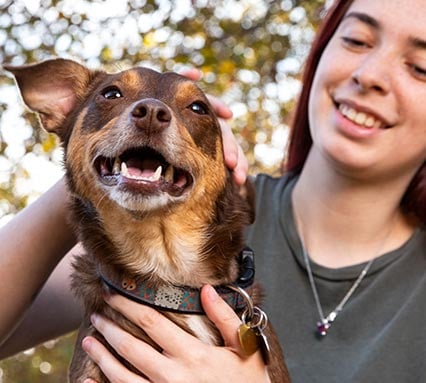
The Healthy Paws Community is a vibrant, social-first space for all pet lovers—whether you’re a Healthy Paws policyholder or simply passionate about pets. As a Pack Member, you can share your favorite pet photos and videos, connect with fellow pet parents, and stay informed with the latest Healthy Paws news and tips. It’s a welcoming place focused on connection, positivity, and celebrating the joy pets bring to our lives!

Table of Contents
- What is stomach growling?
- Why does a dog’s stomach growl?
- When should I be concerned about the growling?
- What do I do if the stomach growling is a problem?
- How can I prevent loud stomach growling?
- Bringing it Together
As pet parents, we know that dogs are like us in so many ways. Even though dogs walk on four legs instead of two, their bodies work similarly to human bodies.
If you’ve ever heard your dog’s stomach growling, you might be wondering why their stomach is making so much noise. We know that our stomachs growl, especially when we’re hungry, but we may not have given much thought to our dog’s stomach growls.
Stomach growls in dogs are often normal and indicate hunger or digestion. But they can also point toward a more serious health problem that needs veterinary attention.
Let’s talk about your dog’s growling tummy so that you know why it happens and what you can do if the growling becomes a concern.
What is stomach growling?
The technical term for stomach growling is borborygmi, a fancy word to describe the sounds made by the movement of food and water through the digestive tract. This movement is called peristalsis, during which smooth muscles in the digestive tract squeeze and relax in a rhythmic pattern to push water and food through bit by bit.
Borborygmi is typically quiet. But you may be able to hear it if you put your ear up to your dog’s stomach, especially after a meal; it’s pretty cool! During physical exams, veterinarians listen to a pet’s gut sounds with a stethoscope as a way to check on a pet’s digestive health.
Why does a dog’s stomach growl?
Dogs will frequently have stomach growls when they’re hungry. Those growls are so loud because peristalsis is still taking place, despite the digestive tract being empty. If you’ve ever been super-hungry, you know how loud your stomach growls can get.
Stomach growls due to hunger are typically loudest in the morning for dogs after a long night of not eating. The growling will go away once your dog’s belly is full of food.
Other causes of loud stomach growls may indicate a health problem that needs veterinary care.
Other causes of dog stomach growling
- Diarrhea: When a dog has diarrhea, food and water move through their digestive tract more quickly than usual. Such fast movement can making stomach growls louder.
- Dietary indiscretion: Dogs are not exactly picky eaters. If they find something in the trash that looks particularly delectable, they’ll chow down. However, that food may be hard to digest, causing loud growling noises.
- Foreign body: Sometimes, dogs eat things that get stuck in the digestive tract. Peristalsis goes into overdrive to try to push that foreign body through. All of that extra work leads to louder growling noises.
- Extra intestinal gas: When dogs eat quickly, they tend to swallow lots of air. This excess air puts more gas into the intestines, creating loud noise. Extra gas can also be caused by the breakdown of carbohydrates and panting.
- Intestinal parasites: Intestinal parasites, such as coccidia, are notorious for wreaking havoc on a dog’s digestive tract. They can disrupt proper nutrient absorption, leading to diarrhea and, ultimately, louder gut noises.
- Intestinal disease: Diseases such as inflammatory bowel syndrome can disrupt normal digestion and lead to louder gut noises.
- Toxins: Some toxins, such as chocolate, can seriously upset a dog’s tummy and lead to loud stomach growls.
When should I be concerned about the growling?
If your dog has occasional loud stomach growls but is otherwise happy and healthy, it is unlikely that the growling is a health concern.
However, if the growling is accompanied by symptoms that suggest an underlying health problem, it’s time to get concerned. Here are some symptoms that would indicate that the growling is a concern:
- Vomiting
- Retching
- Lethargy
- Abdominal swelling
- Excessive drooling
- Eating and drinking less
- Diarrhea, especially if lasting more than 1 to 2 days
- Hunched posture, indicating abdominal pain
- ‘Prayer’ position (hind end up in the air with front legs stretched out in front and head down), indicating abdominal pain
If you notice any of these signs along with the stomach growls, call your veterinarian right away to schedule an appointment.
What do I do if the stomach growling is a problem?
If you’re concerned about your dog’s stomach growls, take your dog to your veterinarian first. Do not try any home remedies to stop the growling; you could do more harm than good and delay your dog from getting the treatment they need to feel better.
Because stomach growling can have so many causes, your veterinarian will ask you about the growling, perform a physical examination, and run some diagnostic tests.
During the physical exam, your veterinarian will use their stethoscope to listen to your dog’s gut sounds. These sounds may be loud enough to hear without a stethoscope.
Your veterinarian will also perform bloodwork to look for signs of systemic illness, such as an increase in inflammatory cells and abnormal levels of electrolytes (e.g., sodium). They might want to take x-rays and perform an abdominal ultrasound to get a closer look at your dog’s digestive tract. Imaging tests could reveal a foreign body.
Once your veterinarian has determined the cause of the stomach growling, they will recommend a treatment plan. This plan will be based on what’s causing the growling. For example, a dewormer would get rid of intestinal parasites. Surgery may be needed to remove a foreign body.
How can I prevent loud stomach growling?
Preventing loud stomach growls will depend on what’s causing the growling in the first place. Here are some common prevention strategies that your veterinarian might recommend:
- Slow down your dog’s feeding. Slow-feeder bowls make dogs work a bit harder to get to the food, slowing down mealtime.
- Feed smaller meals. Large meals can be hard to digest. Smaller and more frequent meals would be easier to digest, leading to quieter gut noises.
- Keep your dog out of the trash. Consider purchasing a trash can that your dog can’t easily get into. Therefore, your dog won’t be tempted to munch on last night’s leftovers.
- Walk your dog after a meal. A leisurely walk after a meal can stimulate digestion, making it easier for the digestive tract to move food and water through.
Bringing it Together
Dogs aren’t embarrassed by their loud stomach growls, but those stomach growls may indicate that your dog is feeling uncomfortable or unwell. Pay close attention to your dog when you hear loud stomach growls. If you have any concerns about the growls, don’t hesitate to contact your veterinarian.

Meet Our Writer
JoAnna Pendergrass, DVM, is a veterinarian and freelance medical writer in Atlanta, GA. After graduating from the Virginia-Maryland College of Veterinary Medicine with her veterinary degree, JoAnna completed a 2-year research fellowship in neuroscience at Emory University. During this fellowship, she learned that she could make a career out of combining her loves of science and writing. As a medical writer, JoAnna is passionate about providing pet parents at Healthy Paws with clear, concise, and engaging information about pet care. Through her writing, she strives not only to educate pet parents, but also empower them to make good health decisions for their pets. JoAnna is a member of the American Medical Writers Association.