

Learn how and why veterinary bills are increasing, and how a Healthy Paws plan can help.

Healthy Paws protects pets like family and makes peace of mind and more happy, healthy moments possible. Pet parents and industry reviews tell the story.

Rescue organizations across the U.S. received support for adoption efforts and ongoing care for vulnerable pets.

Make their food irresistible with the freshest nutritionally-balanced ingredients.
The Healthy Paws Community is a vibrant, social-first space for all pet lovers—whether you’re a Healthy Paws policyholder or simply passionate about pets. As a Pack Member, you can share your favorite pet photos and videos, connect with fellow pet parents, and stay informed with the latest Healthy Paws news and tips. It’s a welcoming place focused on connection, positivity, and celebrating the joy pets bring to our lives!
Everyday expenses for a pet now exceed $4,000 a year on average, according to new research. As prices continue to climb, pet owners face tough choices. Pet insurance can be a financial backstop against the unexpected.
Key Takeaways
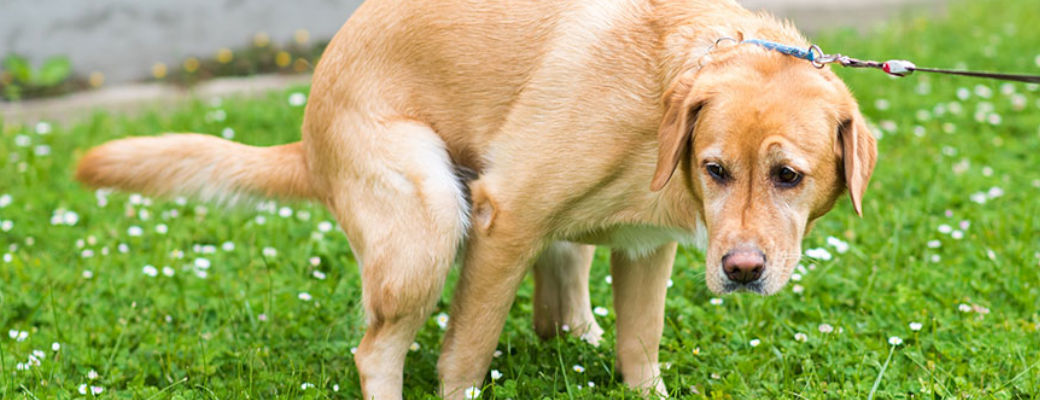
- More than just a messy hassle to clean up, your dog’s feces contain many clues about their health.
- There are four poop qualities to pay attention to: color, content, consistency, and coating.
- If your dog has “unusual” stools for more than 48 hours, schedule an appointment with your veterinarian to find out what’s going on.
Table of Contents
- The four C’s of dog poop
- How much and with what frequency should my dog be pooping?
- What size should my dog’s poop be?
- What should healthy dog poop smell like?
- What do the different colors in poop mean?
- What does blood in the stool mean?
- Here are some possible reasons for blood in the stool:
- What does black blood in the stool mean?
- What consistency should the poop be?
- When should I be concerned about my dog’s poop and take him to a veterinarian?
If you have a dog in your life, you know all too well that “poop happens.” More than just a stinky mess you must clean up, your dog’s poop is an excellent measure of their health, so it pays to be aware when your pup’s poop does not look right.
The four C’s of dog poop
There are four things to look at when it comes to dog feces, and they all start with “C”: color, content, consistency, and coating.
- Color is related to what your pet eats, ranging from light to dark brown when normal. However, color can also indicate an underlying health problem. Poop that is yellow, green, or gray can signal problems with the liver, pancreas, or gallbladder. Poop with streaks of red can indicate bleeding somewhere in the gastrointestinal tract.
- Content is what is in the dog’s poop. Some debris may be visible – such as worms, pebbles, or fur, but other problem substances will not be detected and require a veterinarian to look at it under a microscope.
- Consistency is how solid the stool is – hard, soft, or runny.
- A coating like mucus or a colored layer could indicate a problem, such as an inflamed colon. Healthy dog poop should not have any coating on it.
Tell us about your pet – get a quick quote
How much and with what frequency should my dog be pooping?
How often should a dog poop?
The number of times a day your dog goes “number 2” depends on several factors. The amount of food and treats consumed, hormones, amount of exercise, metabolism, and stress can all influence bowel movement frequency.
An adult dog should defecate at least once a day. Many will go two or three times a day, which is still considered normal. Puppies will poop more – up to five times a day or even more.
How do I know if my dog is pooping too little or too much?
If your dog is not pooping at least once a day, they are constipated or have a blockage, and it warrants a vet visit. If your dog is pooping more than three times a day, it’s not necessarily a problem if the poop appears healthy. It’s more important to notice the quality of the poop than the quantity.
How long after a dog eats do they poop?
In general, expect your pooch to poop 8-12 hours after digesting their last meal. For many dogs, that works out to be mornings and evenings. However, every dog poops a little differently. Whatever time of day they regularly go is what’s normal for them.
Many dogs have bowel movements during a walk or romp because exercise makes food move faster through the large intestine.
Like humans, your dog may occasionally have to go at random or unexpected times. This may be stress-related or come down to how much food they consumed at their last meal, or if they ate foods that are not part of their regular diet.
What size should my dog’s poop be?
The size and volume of your dog’s poop will depend on their size and weight and how much food they are consuming.
For most medium-sized dogs (20-60 lbs.), their poop will consist of two to three sections, totaling a few inches long. The number, diameter, and length of your dog’s normal feces will correspond to the size of the distal or descending colon, which matches the dog’s size.
What does ‘healthy’ poop look like?
Healthy dog poop should be somewhat firm in consistency, like play-dough. Ideally, it should look like a compact and soft log that will break into smaller pieces.
The poop should be chocolate brown, although the shade can vary from light to dark brown, depending on what kind of dog food your pup is eating. Poop should not contain blood, white spots (which indicate a parasite or worms), or other debris such as fur.
Finally, healthy excrement does not have any coating on it.
What should healthy dog poop smell like?
Not surprisingly, it should smell stinky like any feces but not be overpowering. The smell is going to depend on your dog’s diet. If you notice your pet’s poop smell changes suddenly, watch your dog for any other changes, such as reduced appetite or lethargy, and check with your vet if you are concerned.
What do the different colors in poop mean?
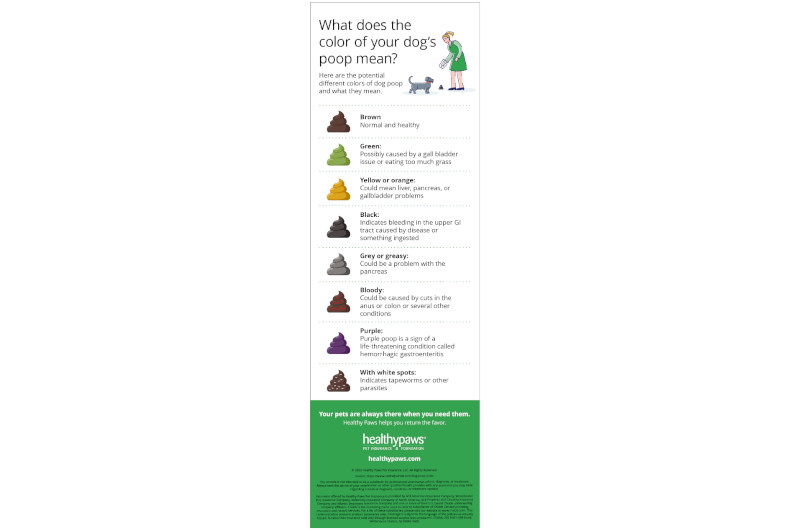
Any color besides shades of brown can indicate a health issue, and you should discuss it with your veterinarian.
- Brown: It can vary from light to dark brown and is a normal and healthy stool.
- Green: Many dogs like to eat grass, which can result in green poop if they eat enough of it. However, it can also signify intestinal parasites or some other type of digestive problem. If your dog has green doo, and you don’t think they’ve been eating grass, consult with your vet.
- Orange: It could indicate a liver issue or biliary disease. Bile is made in the liver and is what changes poop to the standard brown color. Contact your vet if your dog has orange stool for more than a day.
- Yellow: Sometimes poop will have a mustard-yellow mucus, which usually indicates a food intolerance. If you’ve recently changed your dog’s diet, try to eliminate any new ingredients that could be causing an upset stomach. If it doesn’t resolve right away, your vet may recommend an 8- to 12-week food elimination trial to help identify the specific ingredient that’s causing the food intolerance. Yellow poop can also indicate liver disease.
- Black: Black blood in your dog’s stool indicates a problem further up the digestive tract, usually near the stomach. The poop will likely have a ‘coffee ground’ appearance because the blood has been digested. Very dark or tarry poop suggests a medical condition that needs to be checked by a vet promptly.
- Grey or greasy: Feces that appear fatty, glisten, or comes out in large, soft amounts could indicate Exocrine Pancreatic Insufficiency (EPI), a disease in which the pancreas doesn’t produce the necessary enzymes to digest fat. A fatty diet may also cause grey, greasy poop in dogs. EPI is a treatable condition, so get your dog to the vet to have it checked out.
- Purple: Purple poop is a sign of a life-threatening condition called hemorrhagic gastroenteritis (also known as acute hemorrhagic diarrhea syndrome). Seek immediate veterinary treatment if your dog has purple poop.
What does blood in the stool mean?
Sometimes, blood in your dog’s stool is nothing to be worried about, and it’s the result of a simple problem that will get better on its own in a day or two. For example, if your dog got into a red food, such as watermelon, the stool may appear bloody when it’s just the result of the red food.
If you only notice this happen once—and if the amount of blood present in the stool isn’t substantial—you can probably wait to see if it gets better. However, if it doesn’t go away, there may be a much more severe underlying problem to be addressed, said Vijay Nair, a veterinarian with Veterinary Emergency Group.
Here are some possible reasons for blood in the stool:
Cuts to the anus or colon
Sometimes dogs consume plastic or other items with sharp edges, which can cause cuts to the dog’s anus or colon. It may resolve itself in a day or so.
Hemorrhoids
Bright red blood on the exterior of the stool may indicate hemorrhoids or other irritation near the outside of the anus.
Enlarged or infected anal glands
Anal sacs are located on either side of the anus and contain anal glands. These glands squeeze out a stinky liquid that helps dogs poop more easily. When anal glands become impacted or infected, for reasons such as food allergies or a dietary fiber insufficiency, pooping becomes more difficult, causing a small amount of bright red blood in your dog’s poop. Besides blood in the stool, your dog may have trouble pooping, scoot his rear along the floor, or lick the anal area. Contact your veterinarian if your dog has anal sac issues.
Serious illnesses
If your dog’s stool is bright red and watery, it could indicate a serious condition. Bright red, bloody diarrhea is a symptom of several common illnesses, some of which are fatal, so your dog needs to be seen by a vet right away.
For puppies, even a small amount of red in their stool could indicate parvovirus, which can be fatal and should be treated immediately.
What does black blood in the stool mean?
Black or tarry stool means the blood has come from somewhere further up in the digestive tract, usually near the stomach. This is often a sign of a much more severe problem and should trigger a vet visit immediately.
Here are some possible reasons for black stool:
Tumors in the digestive system
Dogs may develop black stool if they have tumors in their digestive system. Don’t panic, as it’s only one possibility, but it should be checked out.
Ingestion of a toxic substance
Dogs that have ingested a toxic substance may have black blood in their stool. If you think there’s a chance your dog got into something toxic, take them to the vet immediately.
Kidney failure
Dogs with severe kidney failure may have black blood in their stool and many other symptoms that will make them appear extremely sick. Dogs usually have an underlying condition that causes kidney failure.
Pancreatitis or inflammatory bowel disease
Dogs can have black stool from pancreatitis or inflammatory bowel disease. Both these conditions are treatable, and you can manage them throughout your dog’s life with dietary changes and veterinarian-prescribed medications.
Stomach ulcer
Black or bloody stool is one symptom of a stomach ulcer. Causes of stomach ulcers in dogs include Addison’s disease, liver disease, eating something toxic, medications, and a high-fat diet.
What consistency should the poop be?
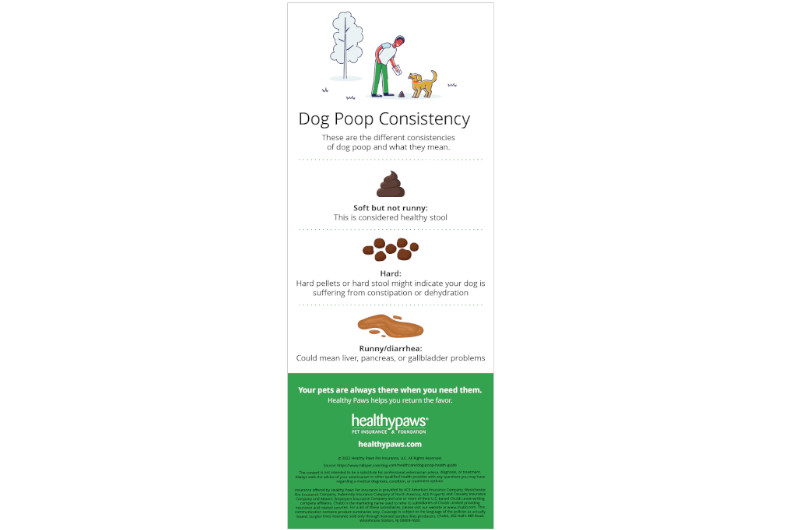
Healthy stool is soft but not runny. Ideally, it will be log-shaped. Waste that is either too hard or too runny can indicate a health problem.
- Hard pellets or hard stool might indicate your dog is suffering from constipation, dehydration, or both. Constipation is an infrequent or difficult passage of feces and is typically a temporary condition. Many constipated dogs will experience straining or pain when attempting to defecate. There are many potential causes of constipation in dogs. The most common cause is ingestion of irritating or indigestible substances; others include colon diseases, intestinal obstruction, or as a side effect of some drugs.
- Runny stool or diarrhea: Something your dog ate or a change in their diet can cause liquid stool, and often clears up on its own. Runny stool or diarrhea can also be caused by stress, medication, parasites, or other medical conditions. Chronic diarrhea, which is resistant to treatment or keeps coming back, can lead to other health problems, such as weight loss or a rough and dull hair coat.
When should I be concerned about my dog’s poop and take him to a veterinarian?
Be sure to contact your veterinarian if your puppy or dog has blood in their stool or if it’s any color besides brown. Also, get help if your furry friend suffers diarrhea beyond 24-48 hours or has not had a bowel movement within 48-72 hours.
The content is not intended to be a substitute for professional veterinarian advice, diagnosis, or treatment. Always seek the advice of your veterinarian or other qualified health provider with any questions you may have regarding a medical diagnosis, condition, or treatment options.
Authors
Christy True
Christy wrote about pets for Healthy Paws for 35 dog years. A background in journalism may be why she enjoys writing about offbeat animal studies and the latest viral pet trends. She has been owned by several dogs, including current pup Nelson, a rescued mini-Aussie, and she volunteers with a local dog rescue. In her free time, she can usually be found sliding down a mountain near her home in Bend, Ore. with Nelson in hot pursuit.
JoAnna Pendergrass, DVM
JoAnna Pendergrass, DVM, is a veterinarian and freelance medical writer in Atlanta, GA. After graduating from the Virginia-Maryland College of Veterinary Medicine with her veterinary degree, JoAnna completed a 2-year research fellowship in neuroscience at Emory University. During this fellowship, she learned that she could make a career out of combining her loves of science and writing. As a medical writer, JoAnna is passionate about providing pet parents at Healthy Paws with clear, concise, and engaging information about pet care. Through her writing, she strives not only to educate pet parents, but also empower them to make good health decisions for their pets. JoAnna is a member of the American Medical Writers Association.