

Learn how and why veterinary bills are increasing, and how a Healthy Paws plan can help.

Healthy Paws protects pets like family and makes peace of mind and more happy, healthy moments possible. Pet parents and industry reviews tell the story.

Rescue organizations across the U.S. received support for adoption efforts and ongoing care for vulnerable pets.

Make their food irresistible with the freshest nutritionally-balanced ingredients.
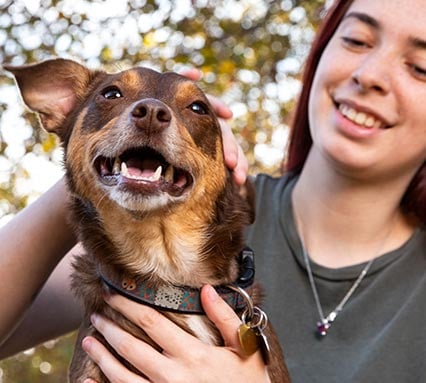
The Healthy Paws Community is a vibrant, social-first space for all pet lovers—whether you’re a Healthy Paws policyholder or simply passionate about pets. As a Pack Member, you can share your favorite pet photos and videos, connect with fellow pet parents, and stay informed with the latest Healthy Paws news and tips. It’s a welcoming place focused on connection, positivity, and celebrating the joy pets bring to our lives!
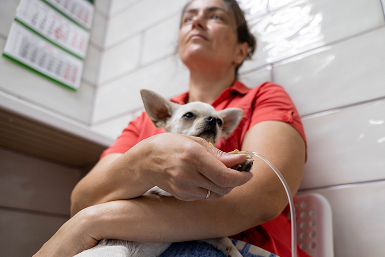
Everyday expenses for a pet now exceed $4,000 a year on average, according to new research. As prices continue to climb, pet owners face tough choices. Pet insurance can be a financial backstop against the unexpected.

A quick lick on the hand might feel sweet, but when your dog keeps going back for more, you might start to wonder what’s really going on. So why does your dog lick you so much? And is it always a sign of affection?
Dogs use licking as a form of communication. It can mean different things depending on context, frequency, and body language. Sometimes it’s perfectly normal. Other times, it might signal stress or an underlying health issue.
Common Reasons for Dogs Licking You
Most dog licking behaviors fall into a few main categories. Understanding what motivates your pup can help you respond in a way that supports their needs.
1. Seeking affection
Licking is often a bonding behavior. Puppies lick their mothers and littermates early on, and that instinct carries into adulthood. Your dog may lick your hands, face, or knees as a way of showing love or strengthening your connection.
2. Anxiety or stress
Licking can be a self-soothing behavior, especially if your dog is feeling nervous or overwhelmed. If licking ramps up during thunderstorms, fireworks, or after changes in the home, it might be linked to stress or separation anxiety.
3. Health-related concerns
If the licking seems compulsive or focused on one area (like your skin or their own paws), there could be a medical reason. Dogs may lick wounds, irritated skin, or even your body if they detect an unusual scent. Conditions like allergies, pain, or nausea can all trigger increased licking.
Tell us about your pet – get a quick quote
When Should I Start Worrying About My Dog Licking Me?
Occasional licking is usually harmless. But if your dog licks you obsessively, interrupts other behaviors to do so, or seems agitated when they can’t lick, it may be time to check in with your vet. Excessive licking can point to behavioral issues, GI problems, or even neurological concerns.
How Pet Insurance Can Help
If your dog’s licking turns into a medical concern, the cost of diagnosis and treatment can add up quickly. A Healthy Paws dog insurance plan can help cover exams, lab work, allergy treatments, and medications for conditions that might be behind excessive licking. That peace of mind makes it easier to say yes to the care your dog needs.
FAQs
Can excessive licking be a sign of a health problem?
Yes. It could be related to allergies, pain, anxiety, or nausea. If the behavior becomes constant or obsessive, schedule a vet checkup.
Why does my dog lick my knee so often in particular?
It could be a mix of affection, curiosity, or the scent of sweat or lotion. Some dogs are drawn to specific spots that smell interesting or remind them of bonding behaviors.
Is it normal for puppies to lick more than adult dogs?
Yes. Puppies explore their world through licking and may use it more frequently to show affection or seek attention. Most dogs lick less often as they mature.
Author
Guest Author
Guest authors for the Healthy Paws blog contribute content based on their research and expertise.