

Learn how and why veterinary bills are increasing, and how a Healthy Paws plan can help.

Healthy Paws protects pets like family and makes peace of mind and more happy, healthy moments possible. Pet parents and industry reviews tell the story.

Rescue organizations across the U.S. received support for adoption efforts and ongoing care for vulnerable pets.

Make their food irresistible with the freshest nutritionally-balanced ingredients.
The Healthy Paws Community is a vibrant, social-first space for all pet lovers—whether you’re a Healthy Paws policyholder or simply passionate about pets. As a Pack Member, you can share your favorite pet photos and videos, connect with fellow pet parents, and stay informed with the latest Healthy Paws news and tips. It’s a welcoming place focused on connection, positivity, and celebrating the joy pets bring to our lives!
Key Takeaways
- A 2022 study found that neighborhoods with more dogs experienced fewer thefts, homicides, robberies, and aggravated assaults than those with fewer dogs.
- This was especially true in neighborhoods where residents had a high degree of trust in each other.
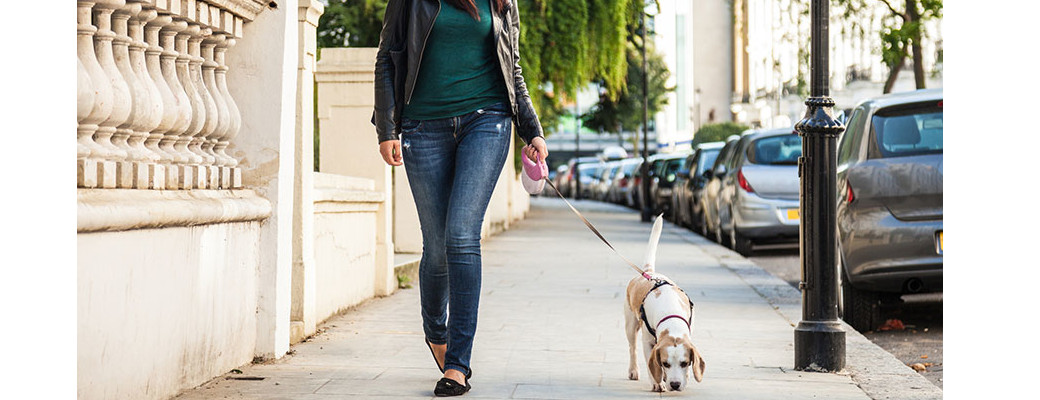
- A key to crime deterrence is the act of walking dogs, as dog walkers are often the eyes and ears of the neighborhood.
Pet parents already know that dogs help relieve depression and loneliness, encourage exercise, and help people with various tasks, but one study now concludes that dogs make the entire neighborhood safer.
Logically, neighborhoods can deter crime by their residents being observant—think about the popularity of Neighborhood Watch programs—and developing trusting relationships with each other. However, measuring neighborhood trust and surveillance has been a challenge.
Study measures neighborhood trust and the presence of dogs
The 2022 study from Ohio State University figured out a way to measure surveillance and discovered that areas with a higher dog population experienced fewer homicides, robberies, and aggravated assaults than neighborhoods with fewer dogs, especially when residents had a strong sense of trust with each other.
Lead researcher Nicolo Pinchak attributed much of this to dog walking, which potentially deters criminal activity. Researchers said dog walkers naturally observe their surroundings closely, noticing unusual activities or unfamiliar faces. Imagine you are a porch thief, and people are out walking past with dogs. You might think twice about swiping that Amazon package—or go to another neighborhood.
“We thought that dog walking probably captures the idea of (mutual trust and local surveillance) pretty well, which is one reason why we decided to do this study,” said study co-author Christopher Browning, a professor of sociology.

Just the presence of barking dogs appears to reduce crime.
How the study was conducted
The researchers analyzed crime data from 2014 to 2016 in 595 Columbus, Ohio-area census areas and cross-referenced it with survey data on dog ownership from a marketing firm. They also cross-referenced data from another study on adolescents to assess neighborhood trust levels. The researchers also accounted for other crime-related factors, such as demographic makeup, residential stability, and socioeconomic status.
Residents were asked to rate their agreement with the statement “people on the streets can be trusted” within their community. The findings revealed that neighborhoods with higher trust reported lower crime rates. If you know and trust your neighbors, you are way more likely to help each other when facing a threat or report it to authorities.
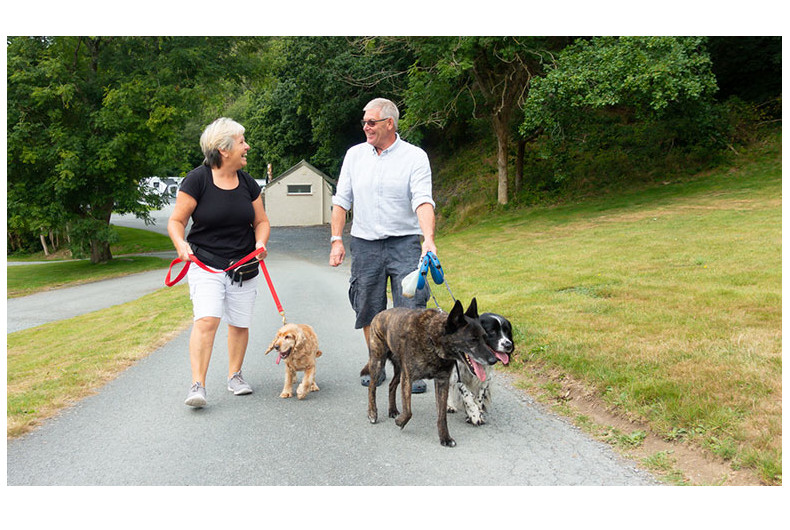
The act of walking dogs is likely to lead to neighbors getting to know each other.
How dogs reduce crime
Even within these trusted communities, those with a higher density of dogs saw even further reductions in crime. Specifically, neighborhoods rich in dog ownership had substantially lower rates of robbery, burglary and homicide than those with fewer dogs.
The mere presence of dogs, with their barking and visibility, can act as a deterrent. Areas with many dogs, even those with less neighborhood trust, also showed lower levels of property crimes. Dog walking furthers the impact by having “eyes and ears” all over the community. Dog walkers are essentially patrolling their neighborhoods.
“Trust doesn’t help neighborhoods as much if you don’t have people out there on the streets noticing what is going on. That’s what dog walking does,” Pinchak said. “When people are out walking their dogs, they have conversations, they pet each other’s dogs. Sometimes they know the dog’s name and not even the owners. They learn what’s going on and can spot potential problems.”
Conclusion
Pet parents already know the value that pets add to their lives. Now, there’s one more reason to make a dog part of the family. To paraphrase McGruff the Crime Dog, dogs “take a bite out of crime.
Meet Our Writer
Christy True
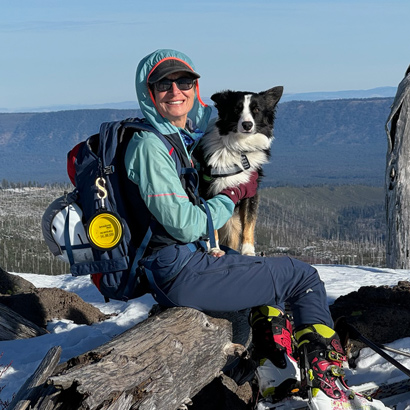
Christy wrote about pets for Healthy Paws for 35 dog years. A background in journalism may be why she enjoys writing about offbeat animal studies and the latest viral pet trends. She has been owned by several dogs, including current pup Nelson, a rescued mini-Aussie, and she volunteers with a local dog rescue. In her free time, she can usually be found sliding down a mountain near her home in Bend, Ore. with Nelson in hot pursuit.