

Learn how and why veterinary bills are increasing, and how a Healthy Paws plan can help.

Read stories of how Healthy Paws has protected pets like family and made peace of mind and more happy, healthy moments possible.

Rescue organizations across the U.S. received support for adoption efforts and ongoing care for vulnerable pets.

Make their food irresistible with the freshest nutritionally-balanced ingredients.
The Healthy Paws Community is a vibrant, social-first space for all pet lovers—whether you’re a Healthy Paws policyholder or simply passionate about pets. As a Pack Member, you can share your favorite pet photos and videos, connect with fellow pet parents, and stay informed with the latest Healthy Paws news and tips. It’s a welcoming place focused on connection, positivity, and celebrating the joy pets bring to our lives!
Everyday expenses for a pet now exceed $4,000 a year on average, according to new research. As prices continue to climb, pet owners face tough choices. Pet insurance can be a financial backstop against the unexpected.
Key Takeaways
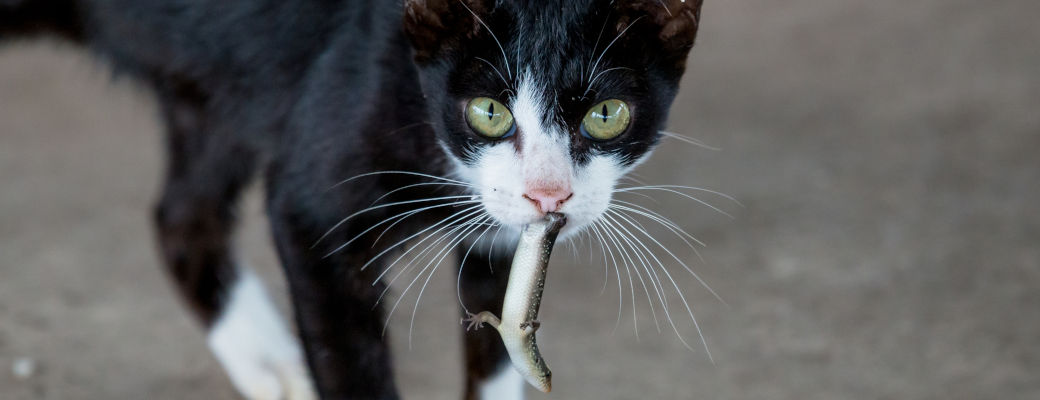
- Both dogs and cats are known to catch and eat lizards.
- Cats can be affected by a parasitic liver fluke due to eating a lizard.
- Lizards can harbor bacteria that puts dogs and cats at risk of infection.
- To prevent cats from eating lizards, keep them indoors and secure your patio doors.
- To prevent dogs from eating lizards, teach them the “leave it” command.
Left to their own devices, our pets can eat the strangest things. Why dirty socks are delectable to dogs or why rubber bands have a tasty appeal to cats can leave pet parents scratching their heads.
Just when you think your pet’s taste buds couldn’t get any stranger, consider that lizards—yes, lizards—can also be the target of your pet’s dietary desires. Should you be concerned when you see your dog or cat hunting or munching on a tiny lizard? Is that lizard poisonous, and will the lizard make your pet sick?
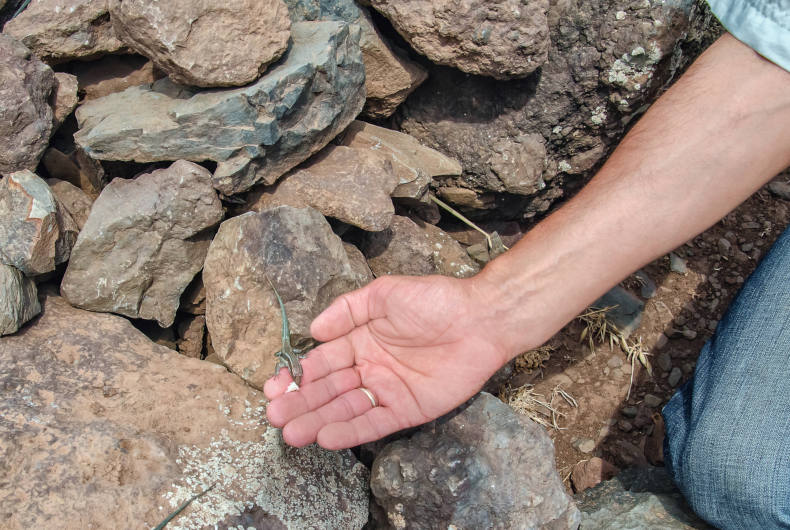
Because of their small size, North American lizards are easy for dogs and cats to catch and eat. Fortunately, these small lizards, like the tiny gecko or anole, are not poisonous for dogs and cats to eat.
That being said, eating a lizard is still not completely safe for dogs and cats.
Toxic ingestion emergencies: If your dog has eaten something poisonous, call or visit your local veterinarian or emergency veterinary hospital immediately.
Pet Poison Helpline: The Pet Poison Helpline is available 24/7 at 855-764-7661. A consultation fee may apply.
Liver Fluke of Cats
Lizards can have a parasitic liver fluke named Platynosomum fastosum living inside their bodies. The fluke, known as the liver fluke of cats, is found most commonly in the southern United States and Hawaii.
This fluke will not harm the lizard, but can cause serious damage if a cat eats an infected lizard. After the infected lizard is eaten, the fluke will travel to a cat’s liver, gall bladder, and bile ducts and mature over about 8 to 12 weeks. A mature fluke can cause major problems, including fatal liver inflammation. Liver flukes can also block the bile duct, leading to a toxic buildup of bile in the liver.
A cat infected with P. fastosum may have the following symptoms:
- Vomiting
- Diarrhea
- Lethargy
- Weight loss
- Loss of appetite
- Yellow eyes and skin
- Tender and swollen abdomen
These symptoms may not show up right away. In fact, it may be months before your cat shows any signs of a liver fluke infection. Once you notice these symptoms, though, take your cat to your veterinarian as soon as possible for treatment. Treatment includes a medication to kill the liver fluke and, if necessary, a steroid to treat liver inflammation.
Tell us about your pet - get a quick quote
Salmonella in Dogs and Cats
In addition to liver flukes, lizards can also harbor the bacteria Salmonella, which can make dogs and cats quite sick. Salmonella usually does not cause infection in healthy dogs and cats. For dogs and cats that do become ill, they can have symptoms such as bloody diarrhea, lethargy, and vomiting.
Prevent Your Pet from Eating Lizards
If you don’t want your dog or cat adding lizards to their diet, there a few things you can do to prevent your pet from eating them:
- Keep your cat indoors. Cats are predators and tiny lizards are easy prey for them. Keeping your cat indoors will prevent your cat from making a lizard a tasty appetizer. If your cat spends time outdoors, keep a close eye on what they’re doing and bring them in if they’re on the prowl for something.
- Secure your patio or porch. If you have an enclosed patio or porch, lizards can still manage to squeeze through tiny holes or openings. Consider putting up a protective mesh or wire screen around the patio or porch’s perimeter to keep lizards from getting within easy ‘pouncing’ reach of your cat or dog.
- Teach your dog the “leave it” command. If your dog comes across a lizard, you’ll want your dog to ignore it rather than eat it. Teach this command by having your dog sit still. Place a treat on the ground where your dog can see it, then say “leave it.” Reward your dog with a different treat if they ignore the treat on the ground. When your dog masters this command, they will know to leave a lizard alone when you say “leave it.”
- Keep a pet lizard out of reach. If you have a pet lizard, keeps its tank well out of reach of your dog or cat.
Overall, there’s not a huge need to worry if your pet eats the occasional tiny lizard. However, if your dog or cat seems to not be feeling well after eating a lizard, take them to your vet right away for treatment.
The content is not intended to be a substitute for professional veterinarian advice, diagnosis, or treatment. Always seek the advice of your veterinarian or other qualified health provider with any questions you may have regarding a medical diagnosis, condition, or treatment options.

Meet Our Writer
JoAnna Pendergrass, DVM
JoAnna Pendergrass, DVM, is a veterinarian and freelance medical writer in Atlanta, GA. After graduating from the Virginia-Maryland College of Veterinary Medicine with her veterinary degree, JoAnna completed a 2-year research fellowship in neuroscience at Emory University. During this fellowship, she learned that she could make a career out of combining her loves of science and writing. As a medical writer, JoAnna is passionate about providing pet parents at Healthy Paws with clear, concise, and engaging information about pet care. Through her writing, she strives not only to educate pet parents, but also empower them to make good health decisions for their pets. JoAnna is a member of the American Medical Writers Association.