

Learn how and why veterinary bills are increasing, and how a Healthy Paws plan can help.

Healthy Paws protects pets like family and makes peace of mind and more happy, healthy moments possible. Pet parents and industry reviews tell the story.

Rescue organizations across the U.S. received support for adoption efforts and ongoing care for vulnerable pets.

Make their food irresistible with the freshest nutritionally-balanced ingredients.
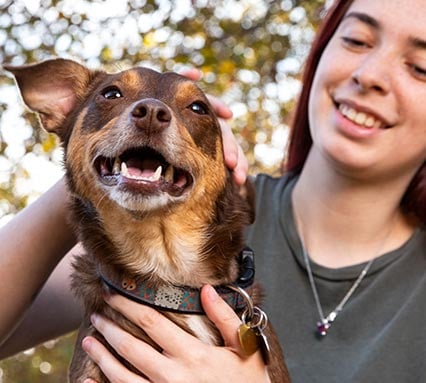
The Healthy Paws Community is a vibrant, social-first space for all pet lovers—whether you’re a Healthy Paws policyholder or simply passionate about pets. As a Pack Member, you can share your favorite pet photos and videos, connect with fellow pet parents, and stay informed with the latest Healthy Paws news and tips. It’s a welcoming place focused on connection, positivity, and celebrating the joy pets bring to our lives!
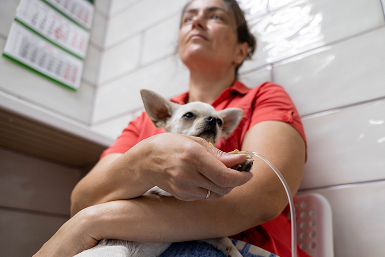
Everyday expenses for a pet now exceed $4,000 a year on average, according to new research. As prices continue to climb, pet owners face tough choices. Pet insurance can be a financial backstop against the unexpected.
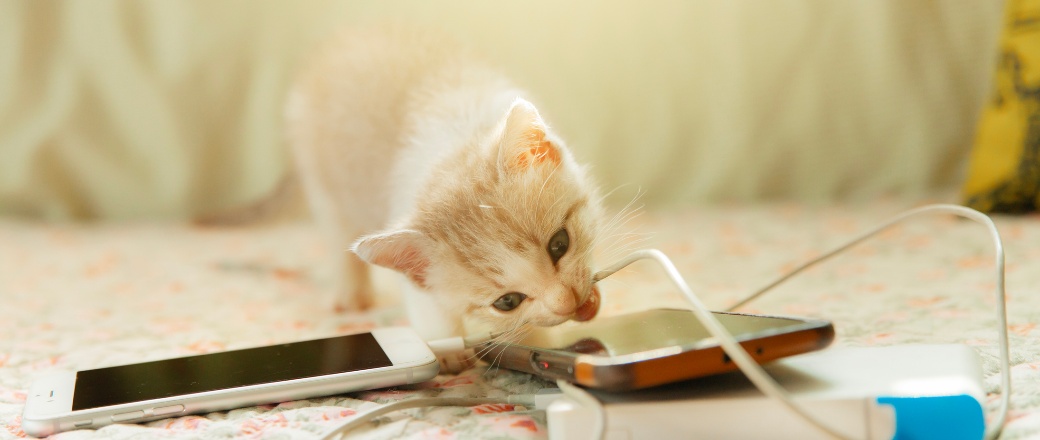
We love our pets, but sometimes they get into things around the house that they’re not supposed to. Their curious and playful nature can lead to a hurried drive to the veterinary emergency room when you least expect it.
Below is a list of household items that you may not consider as dangerous to pets, along with information about veterinary ER visit costs and prevention strategies to keep your pet safe in your home.
Dangerous household items for pets
The list of potentially dangerous household items for pets could stretch a mile long. To keep your eyes from glazing over an impossibly long list, we are going to hit the highlights of items to pay attention to.
Toxic foods and ingredients
Some human foods are safe for pets to eat, while others can make pets seriously or even fatally ill.
- Grapes and raisins: For unknown reasons, grapes and raisins can cause acute kidney failure in dogs, making dogs quickly and seriously ill. Rapid treatment is required.
- Xylitol: Xylitol is a type of sugar commonly found in chewing gum, as well as baked goods. Dogs that ingest xylitol-containing food can experience a rapid drop in blood glucose, making them very ill very quickly.
- Chocolate: Chocolate contains caffeine and theobromine, both of which are toxic to dogs. Dark chocolate is the most dangerous because, compared to other chocolates, it contains the most theobromine. Dogs that eat chocolate can experience symptoms like seizures and hyperactivity.
- Alcohol: Our pets can’t enjoy a nice glass of wine as we can. Even a small amount of alcohol can be hazardous for cats and dogs, dropping their blood glucose, body temperature, and blood pressure to extremely low levels.
- Onions and garlic: Onions and garlic add fantastic flavor to our foods, but they are dangerous to our pets. These foods can destroy red blood cells in pets, leading to severe anemia.
Tell us about your pet – get a quick quote
Antifreeze
Antifreeze, also known as ethylene glycol, tastes sweet, making it tempting for pets to ingest it. Because antifreeze is commonly stored in the garage, it wouldn’t be difficult for a curious cat or dog to find a container of antifreeze. However, antifreeze ingestion can lead to ER visits because it can cause irreversible kidney damage.
Electrical cords
Puppies and kittens are especially at risk of electrical cord injuries because of their enthusiasm for exploring everything in their environment. Electrical cords can cause burns and shocks and may even be fatal.
Children's toys
In households with children, pets are surrounded by toys that can be hazardous if eaten. For example, pets can choke on the beady eyes of stuffed animals or on toys that contain small parts.
Batteries
Batteries are hazardous to pets for several reasons. One reason is that the batteries’ metal can cause chemical burns. Pets can also choke on batteries, especially the smaller button batteries. Additionally, batteries can cause blockages in the digestive tract. Children’s toys and hearing aids are common culprits when it comes to batteries that pets can get their paws on.
Hair ties and strings
Cats are especially at risk for ER visits due to eating hair ties and strings. Hair ties are stringy and elastic, making them fun for cats to play with. Balls of yarn can look like the perfect toy for a cat to unwind for endless fun.
Unfortunately, these household items can wreak havoc in the digestive tract, causing problems such as choking, blockages, and damage to the intestinal lining. Ingesting hair ties and strings almost invariably means a visit to the ER.
Household cleaners
Household cleaners, particularly those containing bleach or ammonia, are harmful to pets if ingested or splashed into the eyes. For example, a pet that ingests a bleach-containing household cleaner can experience damage to their mouth, throat, and digestive tract. Ammonia-based products can be highly irritating to a pet’s skin.
Human medications
What makes us feel better can be deadly to our pets. For example, cats can become fatally ill from ingesting even a small amount of Tylenol, Motrin, or antidepressants. Other human medications that are dangerous to pets include blood pressure pills and medications to manage attention deficit hyperactivity disorder.
Plants
Indoor plants beautify the home, but can be dangerous or even deadly to pets. Eating these plants can lead to vomiting and organ damage. Lilies are especially toxic to cats, causing life-threatening acute kidney failure.
Other dangerous plants include sago palms and aloe vera. Sago palms can lead to vomiting, bloody diarrhea, liver failure, and can be fatal. A pet that eats aloe vera can experience vomiting, diarrhea, and lethargy.
Going to the ER
If you know your pet ingested one of the dangerous items listed above, or you suspect they did, take them to the emergency room as soon as possible for examination and treatment.
An ER visit is a must if you notice any of these signs listed below:
- Tremors
- Collapse
- Seizure
- Swelling
- Vomiting
- Unconsciousness
- Difficulty breathing
- Extreme tiredness
- Uncontrolled bleeding
Emergency veterinary care involves an initial assessment of the pet’s condition, followed by a physical exam and, if necessary, stabilization to bring vital signs (temperature, pulse, respiration) back to normal. Stabilizing a pet may require intravenous fluids and oxygen therapy.
Diagnostic testing is then performed, which typically includes bloodwork and urinalysis. Imaging tests, such as X-rays and ultrasound, may also be needed.
Each aspect of an ER visit has an associated cost. These costs are inevitably higher than going to your vet’s office because of the urgency of the situation. Here are some general costs so you can know what to expect:
- Initial triage and examination: $100 to $300
- Basic diagnostics: Bloodwork (about $200 to $400), X-rays ($150 to $250), ultrasound ($300 to $600)
- Treatment: Variable, from several hundred to several thousand dollars. For example, emergency surgery to remove a foreign body can cost nearly $5000.
- Overnight hospitalization: Several thousand dollars, including the cost of monitoring and ongoing treatments
Depending on the policy, pet insurance can help relieve some of the financial burden of an ER visit.
Prevention strategies
It is not realistic to prevent every possible scenario that could lead to a veterinary ER visit. But you can be proactive to make it harder for your pet to have access to household items that could harm them.
Here are some strategies to consider:
- Assess your home for dangers. Get down on your pet’s eye level and go around your home searching for dangerous items that are easily accessible to them.
- Block access. Blocking your pet’s access to dangerous items includes keeping dangerous items secured in cabinets with cabinet locks and keeping small toys and objects high up and off the floor.
- Don’t leave food unattended. Your pet may snatch leftover food more quickly than you realize. Keep the food out of your pet's reach and discard leftovers as soon as possible after a meal.
- Clean spills immediately. If you spill a cleaning product, clean it up immediately before your pet has a chance to get close and ingest it.
- Keep only pet-safe plants. The ASPCA website has a comprehensive list of toxic and safe plants for pets to help you decide which plants to have in your home.
Bringing it together
Accidents happen, even for the most attentive pet parents. If you know or suspect your pet ate something dangerous, do not hesitate to take them to the veterinary ER to give them the best chance of recovery.

Meet Our Writer
JoAnna Pendergrass, DVM
JoAnna Pendergrass, DVM, is a veterinarian and freelance medical writer in Atlanta, GA. After graduating from the Virginia-Maryland College of Veterinary Medicine with her veterinary degree, JoAnna completed a 2-year research fellowship in neuroscience at Emory University. During this fellowship, she learned that she could make a career out of combining her loves of science and writing.
As a medical writer, JoAnna is passionate about providing pet parents at Healthy Paws with clear, concise, and engaging information about pet care. Through her writing, she strives not only to educate pet parents, but also empower them to make good health decisions for their pets. JoAnna is a member of the American Medical Writers Association.