

Learn how and why veterinary bills are increasing, and how a Healthy Paws plan can help.

Healthy Paws protects pets like family and makes peace of mind and more happy, healthy moments possible. Pet parents and industry reviews tell the story.

Rescue organizations across the U.S. received support for adoption efforts and ongoing care for vulnerable pets.

Make their food irresistible with the freshest nutritionally-balanced ingredients.
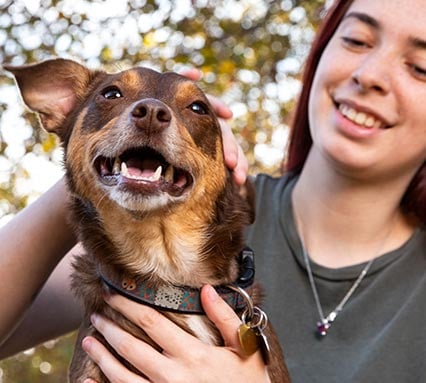
The Healthy Paws Community is a vibrant, social-first space for all pet lovers—whether you’re a Healthy Paws policyholder or simply passionate about pets. As a Pack Member, you can share your favorite pet photos and videos, connect with fellow pet parents, and stay informed with the latest Healthy Paws news and tips. It’s a welcoming place focused on connection, positivity, and celebrating the joy pets bring to our lives!
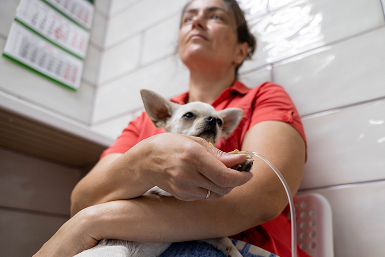
Everyday expenses for a pet now exceed $4,000 a year on average, according to new research. As prices continue to climb, pet owners face tough choices. Pet insurance can be a financial backstop against the unexpected.
Key Takeaways
- Preventive care helps catch health issues early and supports long-term well-being
- Annual checkups, vaccines, dental care, and weight management are essential
- Consistent routines make pet care more manageable throughout the year
- Planning ahead can reduce stress when the unexpected happens
The start of a new year is the perfect time for a reset of our routines as we try to get healthier, or more productive. But it’s not just a great time of year for us. Our pets also can benefit from a reset and new routines so they can be healthier and happier. So, this year, make resolutions for yourself and to take control of your pet’s health. Here’s an easy and realistic preventive care checklist that will help you’re your pet healthy and happy all year long.
Start With an Annual Wellness Exam
Even if your pet seems perfectly healthy, it’s always a good idea to get an annual checkup. Plus, it gives your veterinarian a solid baseline to track health changes in your pet over time. These well visits are also useful to help spot potential concerns early, before they become serious issues.
Checklist tip: Schedule your pet exam early in the year so they don’t get pushed aside as life gets busy.
Tell us about your pet – get a quick quote
Stay Up to Date on Vaccines and Preventives
Protect your pet from disease and illness by getting your pets vaccinated. While monthly preventives help guard against things like fleas, ticks, and heartworm, your vet can recommend a vaccination schedule that’s tailored specifically for your pet. These are usually based around your pet’s age, lifestyle, and other risk factors.
Checklist tip: Set calendar reminders so doses don’t get missed.
Prioritize Your Pet’s Dental Health
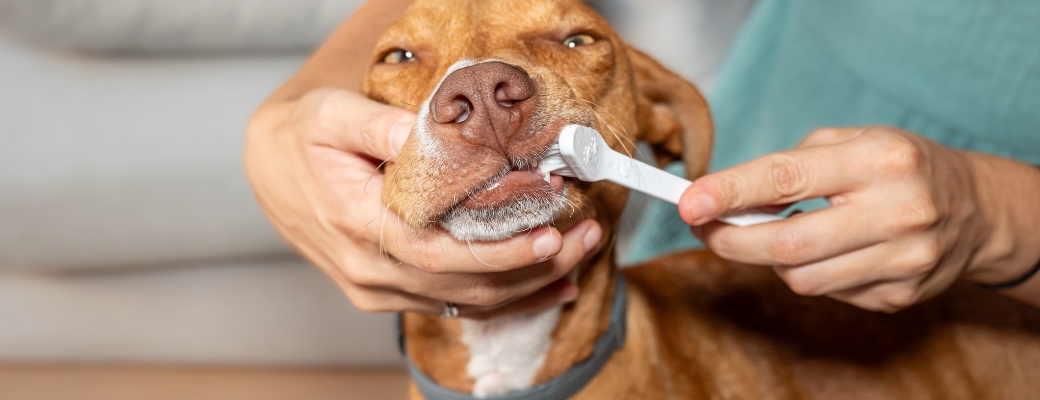
Dental health is critical for your pet, and dental disease is one of the most common and overlooked health issues in pets. But with a little bit of brushing mixed with dental chews, and the occasional professional cleaning by your veterinarian, you can help prevent dental pain and infections. You might even be able to prevent future tooth loss.
Checklist tip: If brushing feels intimidating, start slowly and build it into your routine.
Maintain a Healthy Weight
If a human gains a little weight, it usually doesn’t impact our overall health. However, with pets, even small changes in weight can impact their health. Carrying that extra weight is bad for their heart health and joints, and overall health, generally. Be sure to talk with your vet about appropriate portion sizes, types of food to feed them and their activity levels.
Checklist tip: Weigh your pet regularly to spot changes early.
Monitor Behavior and Daily Habits
Changes in your pet’s appetite, their energy levels, and even their mobility or behavior can be early signs that something isn’t right. Try to pay closer attention to these small shifts to help catch potential health issues early.
Checklist tip: Keep a simple note on your phone if something feels “off.” It could help your vet create a more informed diagnosis.
Plan Ahead for the Unexpected
No matter how proactive you are, accidents and illnesses can still happen. Have a plan in place in case something goes wrong.
Checklist tip: Review your emergency contacts, local clinics, and coverage options before you need them.
As part of your preventive care plan, taking a moment to get a pet insurance quote can help you prepare for unexpected illnesses or injuries down the road.
Author
Guest Author
Guest authors for the Healthy Paws blog contribute content based on their research and expertise.