
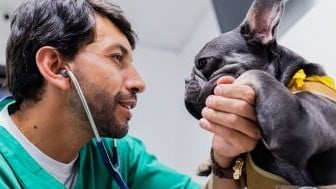
Learn how and why veterinary bills are increasing, and how a Healthy Paws plan can help.

Healthy Paws protects pets like family and makes peace of mind and more happy, healthy moments possible. Pet parents and industry reviews tell the story.

Rescue organizations across the U.S. received support for adoption efforts and ongoing care for vulnerable pets.

Make their food irresistible with the freshest nutritionally-balanced ingredients.
The Healthy Paws Community is a vibrant, social-first space for all pet lovers—whether you’re a Healthy Paws policyholder or simply passionate about pets. As a Pack Member, you can share your favorite pet photos and videos, connect with fellow pet parents, and stay informed with the latest Healthy Paws news and tips. It’s a welcoming place focused on connection, positivity, and celebrating the joy pets bring to our lives!
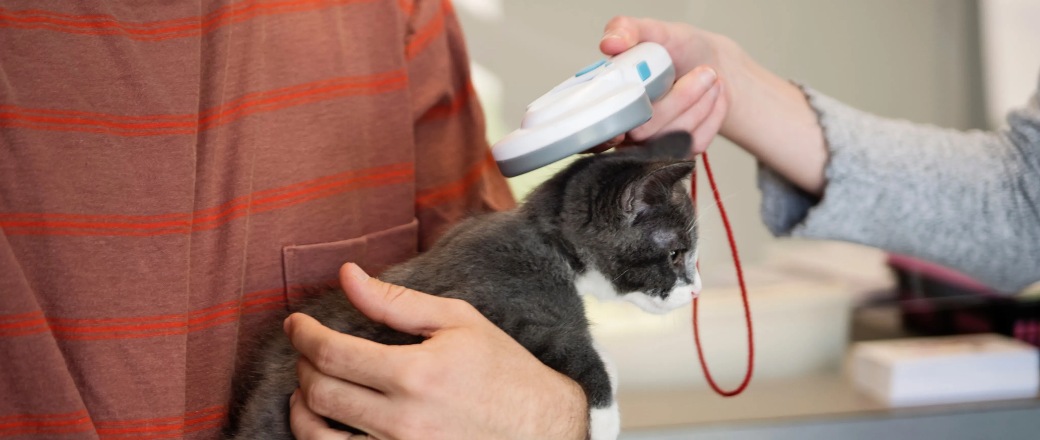
Does pet insurance cover microchip procedures? No. Most pet insurance plans focus on covering unexpected injuries and illnesses, so they don’t usually include microchipping in their standard policies. Microchipping is considered a preventative measure, much like vaccinations or routine check-ups.
Although insurance likely won’t cover the procedure, getting your pet microchipped is an important step you can take to protect them.
Why Microchipping Is Important
A microchip is a permanent pet ID that can never be removed or lost. The tiny chip, about the size of a grain of rice, is injected under your pet’s skin. It holds a unique registration number that links back to your contact information. The technology provides reliable identification and serves as proof of ownership.
Veterinarians and shelter staff can scan a lost or stolen pet and use this number to find you. Collars and tags are great, but they can break or get lost. A microchip stays with your pet forever. In a dispute over ownership, a registered microchip can also help you prove that a pet belongs to you. The process for cat and dog microchipping is quick and doesn’t require anesthesia, feeling similar to a regular vaccination for your pet.
Why Microchipping Isn’t Typically Covered
Pet insurance policies are designed to provide a safety net for unpredictable health issues. Sudden illnesses or accidental injuries are what these pet insurance plans are built for. You can plan and budget for preventative care such as microchipping, which is why it falls outside of standard accident-and-illness coverage.
Getting Microchipped Without Insurance
You can get your pet microchipped easily without relying on insurance. Your veterinarian can perform the service during a regular appointment. Many local animal shelters and nonprofit organizations also have low-cost microchipping clinics. The one-time fee is small, and it’s a worthwhile investment for your pet’s safety.
Should My Insured Pet Be Microchipped?
Yes, every pet should be microchipped, regardless of whether or not your pet is insured. Pet insurance and microchips provide two different, vital layers of protection. Insurance protects you financially from large, unexpected vet bills. A microchip gives you the best possible chance of being reunited with your pet if they get lost. For complete peace of mind, you need both.
FAQs
Does Pet Insurance Cover Microchip Implantation?
No, standard pet insurance plans usually don’t reimburse for microchipping because it is a planned, preventative procedure.
Do some Pet Insurance Plans Offer Microchip Options?
No, most regular pet insurance plans don’t offer microchip options.
Should Cats Also Be Microchipped?
Yes. Even indoor cats can slip out an open door. A microchip is a reliable way to make sure you can be notified if your cat ever wanders off and gets lost.
Author
Guest Author
Guest authors for the Healthy Paws blog contribute content based on their research and expertise.