
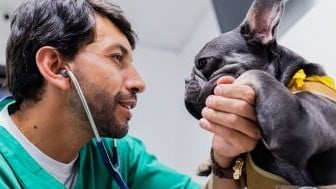
Learn how and why veterinary bills are increasing, and how a Healthy Paws plan can help.

Healthy Paws protects pets like family and makes peace of mind and more happy, healthy moments possible. Pet parents and industry reviews tell the story.

Rescue organizations across the U.S. received support for adoption efforts and ongoing care for vulnerable pets.

Make their food irresistible with the freshest nutritionally-balanced ingredients.
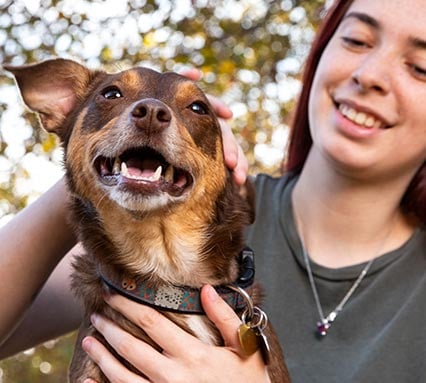
The Healthy Paws Community is a vibrant, social-first space for all pet lovers—whether you’re a Healthy Paws policyholder or simply passionate about pets. As a Pack Member, you can share your favorite pet photos and videos, connect with fellow pet parents, and stay informed with the latest Healthy Paws news and tips. It’s a welcoming place focused on connection, positivity, and celebrating the joy pets bring to our lives!

Bringing a new animal home is one of life's most exciting moments, but it also marks the beginning of many new responsibilities. Learning how to use pet insurance early on helps you protect your budget and your pet's health. This guide will help you get started.
When to Start Shopping for Pet Insurance
The best time to look for pet insurance coverage is when you first get your pet. New policies typically don't cover preexisting conditions, so getting coverage before health issues arise is the smartest move.
What to Look For With Pet Insurance Policies
Knowing what to look for with pet insurance saves you from headaches later. Policies vary widely between providers, so paying attention to the details matters.
What Is Offered
Most standard pet insurance plans cover unexpected accidents and illnesses. You want a policy that helps with big-ticket items, such as emergency surgeries, cancer treatments and hereditary conditions. Look for a plan with no caps on annual or lifetime payouts to ensure you're never left footing a massive bill alone.
What Isn't Offered
Almost no provider covers preexisting conditions, and many major medical plans, including Healthy Paws, also exclude routine care exam fees to keep your monthly premiums lower.
Choosing the Right Pet Insurance Plan
Selecting the right protection requires a look at your specific situation.
Factors to Consider
Think about your budget and your pet's breed. Some dogs are prone to hip dysplasia, while outdoor cats might risk injury from fights or falls. Geography also plays a role, as veterinary costs vary by location.
Types of Coverage
You might see accident-only plans or comprehensive accident and illness plans. Comprehensive options generally offer better protection for the long haul.
Common Mistakes First-Time Pet Insurance Shoppers Make
First-time pet insurance shoppers sometimes pick the cheapest monthly rate without checking the reimbursement percentage, but a low premium might actually mean a high deductible or low payout limit.
Failing to read the policy exclusions is another frequent error. You need to understand exactly how the annual deductible works before signing up because skipping the fine print can lead to disappointment when you need to file a claim.
Healthy Paws May Be Right for You
Healthy Paws simplifies the process with comprehensive coverage and no caps on claim payouts. Learning how to use pet insurance is easy with the mobile app: just snap a photo of your veterinary invoice and submit it for processing.
FAQs for First-Time Pet Insurance Shoppers
Can I Get Coverage for Preexisting Conditions?
No pet insurance company typically covers conditions that existed before the policy started or during the waiting period. Enrolling early is the best way to avoid these exclusions.
Can I Change or Upgrade My Policy Later?
You can usually adjust your reimbursement levels or deductibles, but it might trigger new waiting periods or underwriting reviews. Checking with your provider before making changes is always a good idea.
How Much Does Pet Insurance Cost for a First-time Buyer?
Costs vary based on your pet's age and breed, as well as your location. A quote for a young, mixed-breed dog will look different than one for an older purebred, so getting a personalized quote is the only way to know for sure.
Author
Guest Author
Guest authors for the Healthy Paws blog contribute content based on their research and expertise.