

Learn how and why veterinary bills are increasing, and how a Healthy Paws plan can help.

Healthy Paws protects pets like family and makes peace of mind and more happy, healthy moments possible. Pet parents and industry reviews tell the story.

Rescue organizations across the U.S. received support for adoption efforts and ongoing care for vulnerable pets.

Make their food irresistible with the freshest nutritionally-balanced ingredients.

The Healthy Paws Community is a vibrant, social-first space for all pet lovers—whether you’re a Healthy Paws policyholder or simply passionate about pets. As a Pack Member, you can share your favorite pet photos and videos, connect with fellow pet parents, and stay informed with the latest Healthy Paws news and tips. It’s a welcoming place focused on connection, positivity, and celebrating the joy pets bring to our lives!
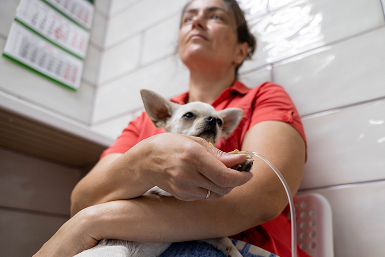
Everyday expenses for a pet now exceed $4,000 a year on average, according to new research. As prices continue to climb, pet owners face tough choices. Pet insurance can be a financial backstop against the unexpected.

Over 70% of households in the U.S. have at least one pet, and that number is expected to grow to 80% in the next decade. But while pet ownership continues to grow, access to quality pet care has struggled to keep up. Rising costs and limited availability make it harder for pet parents to get the care they need. This is where pet benefits can make an incredible difference.
What is pet telehealth?
Pet telehealth brings the same level of convenience and care that has transformed human healthcare to the world of pets. Just like how platforms like Teladoc make it easy for people to connect with doctors anytime, anywhere, pet telehealth allows families to access licensed veterinarians right from their phones.
Platforms like Airvet make this experience seamless. Pet parents can instantly connect with licensed veterinarians via live video calls or in-app chat to get real-time guidance on questions big and small. They can upload photos, share medical histories, and receive follow-up recommendations, all designed to make pet care faster, easier, and less stressful.
Whether it’s a sudden change in behavior, a bee sting, or concerns about a new symptom, pet parents can get expert guidance in minutes. Pet telehealth makes veterinary care more accessible and ensures pets and their families get the support they need, when they need it most.
Tell us about your pet - get a quick quote
How does pet telehealth support pet parents?
Getting to the vet can take time, whether it’s an hour for a quick visit or a whole day for something urgent. With telehealth included as part of your pet benefits, families have a simpler way to get answers and care without rearranging their day or worrying about the cost.
At Airvet, about 70% of visits are solved virtually, avoiding the need for an in-person appointment. That’s especially valuable since more than half of Airvet’s calls and chats occur during the workday.
Telehealth also helps pet parents get follow-up answers to questions they may have forgotten to ask during a vet visit, saving them another trip to the clinic. Airvet even connects pet parents to vet specialists in areas like behavior, nutrition, and more to help pet parents go beyond reactive care and invest in their pet’s whole health, without the added cost of a separate specialty visit.
How do pet parents use Airvet?
Curious as to what kind of issues pet parents bring to Airvet? The top ten most common visits include:
- Skin & ear issues
- Vomit & diarrhea
- Emergency concerns
- General medical questions
- Respiratory & cardiac issues
- Eye conditions
- Neurological concerns
- Ingestion questions
- Behavior issues
- Flea & tick management
But it goes beyond emergency care. Airvet also offers access to veterinary specialists, such as:
- Diet consultations
- Separation anxiety consultations
- Senior pet care consultations
Telehealth and Insurance Create Complete Peace of Mind
Healthy Paws and Airvet have partnered to include Airvet access with every Healthy Paws policy at no additional cost. That means pet parents can get their pet the care they need when they need it, and when a situation calls for an in-person visit, their Healthy Paws coverage can help with the vet bills.
Together, Healthy Paws and Airvet make it easier than ever for pet parents to protect their pets’ health, manage costs, and get the expert support they need at every stage of their pet’s life.
Author
Guest Author
Guest authors for the Healthy Paws blog contribute content based on their research and expertise.