

Learn how and why veterinary bills are increasing, and how a Healthy Paws plan can help.

Read stories of how Healthy Paws has protected pets like family and made peace of mind and more happy, healthy moments possible.

Rescue organizations across the U.S. received support for adoption efforts and ongoing care for vulnerable pets.

Make their food irresistible with the freshest nutritionally-balanced ingredients.
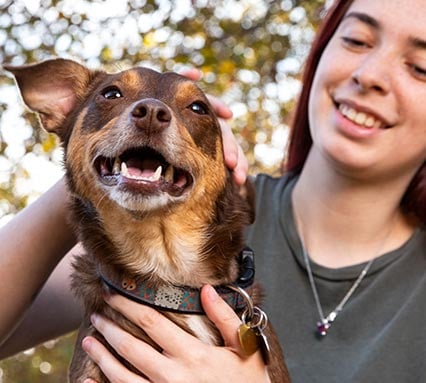
The Healthy Paws Community is a vibrant, social-first space for all pet lovers—whether you’re a Healthy Paws policyholder or simply passionate about pets. As a Pack Member, you can share your favorite pet photos and videos, connect with fellow pet parents, and stay informed with the latest Healthy Paws news and tips. It’s a welcoming place focused on connection, positivity, and celebrating the joy pets bring to our lives!
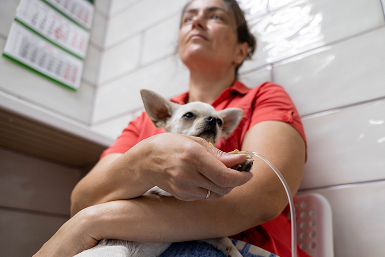
Everyday expenses for a pet now exceed $4,000 a year on average, according to new research. As prices continue to climb, pet owners face tough choices. Pet insurance can be a financial backstop against the unexpected.
Key Takeaways
- ADR stands for “Ain’t Doing Right” and is used to describe a condition that doesn’t have well-defined symptoms.
- A cat with ADR just seems a bit off and you can’t figure out why.
- Common causes of ADR are oral disease, joint issues, cancer, and stomach upset.
- Enroll your cat in pet insurance before confusing symptoms become chronic, pre-existing conditions.
- Keep a close eye on your pet’s health and keep up with regular vet checkups.
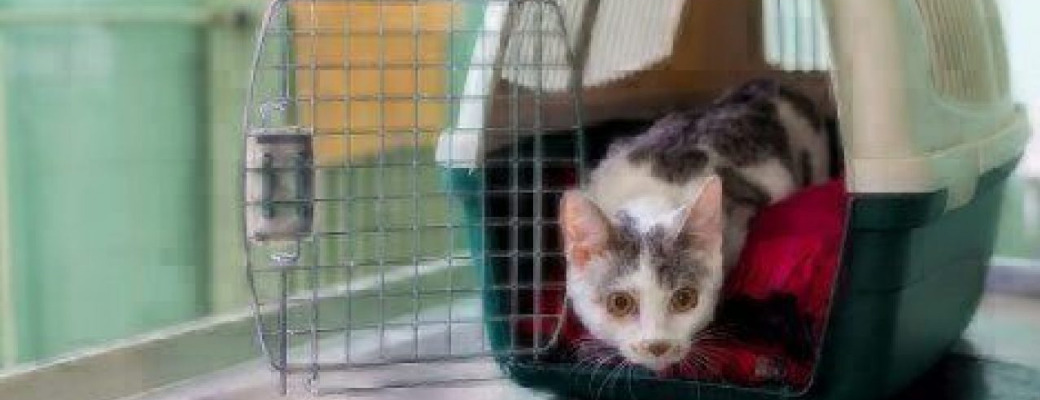
As a pet parent, you know when something just isn’t right, even if you can’t put your finger on it. Veterinarians have a term for this: “Ain’t Doing Right,” or ADR, and it’s a fairly common cat health condition.
This term is used to describe cats that are a bit off and don’t have clear-cut symptoms of a problem. Our feline friends are notoriously resilient in the face of discomfort, so it’s important to pay attention to even subtle changes in behavior at home. Often, these non-specific signs will preclude more definitive symptoms such as vomiting, diarrhea, mouth pain, and more obvious discomfort.
Symptoms of ADR in Cats
- Decreased thirst or appetite
- Eating or drinking more eagerly
- Lethargy or more time spent sleeping
- Hiding or anti-social behavior
- Weight loss
- Grooming changes
Causes of ADR in Cats
- Oral Disease
Tooth resorption, gingivitis, and stomatitis (inflamed mouth) are common, easily missed issues in cats that can cause a lack of appetite and significant pain. These dental health problems are often treatable with a dental procedure or extractions under anesthesia. - Degenerative Joint Disease (DJD)
This is highly under-diagnosed condition in cats that often causes ADR. Chronic pain is often attributed to age, yet may be related to DJD. DJD is a progressive condition involving damage to cartilage and arthritis. Signs such as decreased overall grooming, increased focal grooming, and decreased activity are most common. - Kidney or Liver Disease
Chronic kidney disease has been identified in over 50% of cats 7 years or older, and in up to 80% of cats over 10 years, making this one of the most common culprits of ADR in cats. Bloodwork and urine assessment for early detection is very important in senior cats for this issue in particular. Cats with kidney disease are often ADR prior to showing other symptoms of kidney disease, such as vomiting and drinking excessively. - Liver Disease
Liver disease – hepatic lipidosis in particular—is common in overweight cats that have stopped eating or have become underweight. When a cat stops eating it can cause this potentially deadly disease process to begin. - Endocrine disease
Hyperthyroidism and diabetes are common endocrine diseases in cats over the age of 7. Both diseases can have similar signs of eating and drinking excessively while simultaneously losing weight. Although diabetes can also involve overweight cats and/or decreased appetite. A stance that involves walking with the heel of the hind-feet on the ground (plantigrade) is often seen with diabetes. - Cancer
Noting any mouth lesions, masses near lymph nodes or in mammary chains, and any changes in mass size can be helpful in identifying possible cancerous lesions. Your veterinarian may opt to aspirate or biopsy these abnormalities along with other diagnostic testing. - Gastrointestinal Upset
Some cats will eat “street treats” outside, get into the trash, or ingest something that becomes lodged in their intestine. They may appear to have mild symptoms at first that can progress to vomiting/diarrhea. - Pancreatitis can also present with symptoms of ADR and be related to intestinal or endocrine disease.
Preventative measures can only go so far; every pet parent knows that curious cats will find their way into contraband treats, and they will get sick at least once in their lifetime. Enrolling your cat in pet insurance before these symptoms can become chronic or considered pre-existing will help take the stress out of going to the vet – it all starts by getting a quote – so you can focus on your pet’s wellness.
Also, remember that early detection helps tremendously when dealing with illnesses. Veterinary examination, bloodwork, urinalysis, and other diagnostics can assist in diagnosing the majority of these issues. So while you can’t prevent everything, you can be proactive in your pet’s health. Keeping a close eye on any changes your feline friend experiences and keeping up with routine vet visits will give your cat the best opportunity to live many quality years in your home.
The content is not intended to be a substitute for professional veterinarian advice, diagnosis, or treatment. Always seek the advice of your veterinarian or other qualified health provider with any questions you may have regarding a medical diagnosis, condition, or treatment options.
Kristonn Colborn, DVM, is a small animal and equine veterinarian in Bend, Oregon focusing in primary and emergency care. She graduated from the University of Florida with doctor of veterinary medicine degree

Meet Our Writer
Kristonn Colborn, DVM
Kristonn Colborn, DVM, is a small animal and equine veterinarian in Bend, Oregon focusing in primary and emergency care. She graduated from the University of Florida with doctor of veterinary medicine degree. She has contributed to the Healthy Paws blog as a freelance and currently works as an emergency veterinarian.