

Learn how and why veterinary bills are increasing, and how a Healthy Paws plan can help.

Healthy Paws protects pets like family and makes peace of mind and more happy, healthy moments possible. Pet parents and industry reviews tell the story.

Rescue organizations across the U.S. received support for adoption efforts and ongoing care for vulnerable pets.

Make their food irresistible with the freshest nutritionally-balanced ingredients.
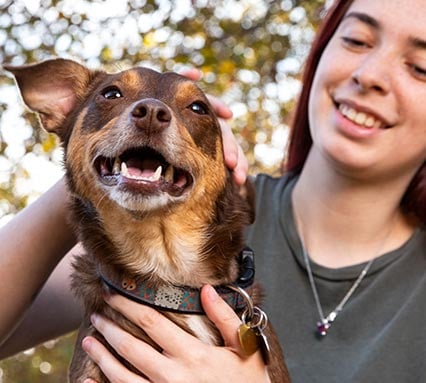
The Healthy Paws Community is a vibrant, social-first space for all pet lovers—whether you’re a Healthy Paws policyholder or simply passionate about pets. As a Pack Member, you can share your favorite pet photos and videos, connect with fellow pet parents, and stay informed with the latest Healthy Paws news and tips. It’s a welcoming place focused on connection, positivity, and celebrating the joy pets bring to our lives!
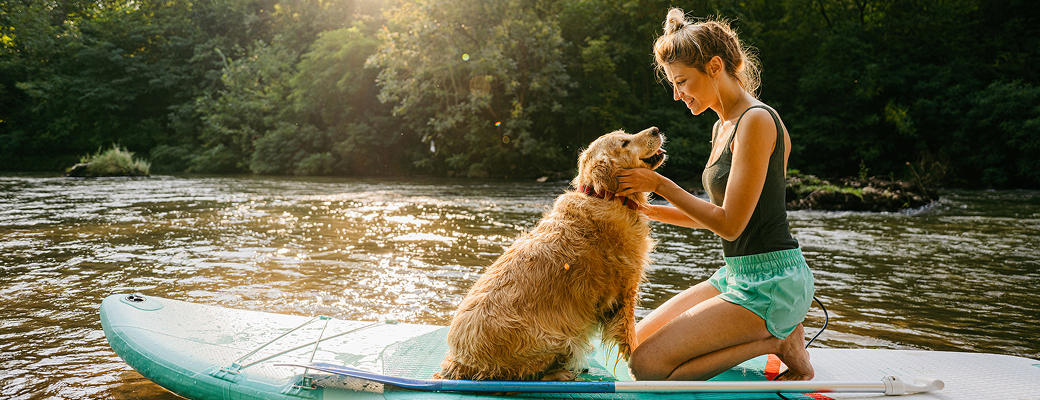
From your dog’s perspective, summer is obviously the best season. It’s the one, after all, that’s filled with all those long sunny days, beach excursions, family vacations, road trips, cookouts, visits to the park, and other opportunities for bonding with its all-time favorite human: you.
But summertime carries with it a number of risks for dogs in the form of hazards that can abruptly ruin all the fun – by making your dog sick, or even by sending you and your canine companion on an unexpected trip to the vet’s office or animal hospital emergency room.
Healthy Paws is committed to helping people protect their pets – not just by providing insurance, but also by sharing the best veterinarian-backed guidance for keeping pets safe. Here are some of the biggest summertime health and safety risks for dogs:
Overheating and heat stroke
Dogs that are exposed to excessive heat for prolonged periods run the risk of heatstroke, a potentially fatal condition. According to Cornell University’s Riney Canine Health Center, heatstroke sets in when a dog’s body temperature rises from its normal range of between 100.5°-102.5° F to 105° F or higher – something that can happen easily on a hot, humid day when a dog has been exerting itself without access to adequate shade or water. Cornell’s veterinary experts also note that:
- Certain short-muzzle breeds – a category that includes pugs, boxers, bulldogs, and Boston terriers – may be at higher risk for heatstroke; these breeds are less efficient at panting, which is how dogs cool themselves down.
- Older and/or overweight dogs, dogs with heart conditions and/or breathing difficulties, and dogs that have dark and/or thick fur are similarly at a higher risk.
- Signs of heatstroke in dogs may include whining, reluctance to play, heavy panting, drooling, vomiting, lethargy, confusion, and seizures.
To safeguard against overheating, walk your dog at cooler times of day: in the early morning or late evening, for example. This can also protect your dog from burning its paws on hot cement or asphalt, another hazard associated with hot summer temperatures. Symptoms of burned paw pads include limping, redness, and blisters. To check whether a surface is safe or not, place your hand on it and try to keep it there for seven seconds – if it’s too hot for your hand, it’s too hot for your dog’s feet.
Finally, it should go without saying, but we’ll say it anyway: Never, ever leave your dog in a parked or un-air-conditioned vehicle – not for any amount of time, and not even on a day where the conditions seem relatively mild. The American Kennel Club observes that the temperature inside a vehicle parked in 70° F weather can reach 100° F in just 20 minutes; on hotter days, the temperature can reach 140° F in less than an hour. (And in case you’re wondering: No, cracking the windows open doesn’t represent a safer alternative.)
Bugs and parasites
Fleas, ticks, and mosquitos thrive in the hot, humid summer weather. Combine that with the fact that summer is also the season for heading to the woods, the beach, the park, and other sites where these parasites make their home, and you’ve basically got a recipe for infestation – which can lead to a host of problems for your dog, from skin infections to Lyme disease and heartworms. Make sure that your dog’s flea/tick prevention treatments and heartworm medication are all up-to-date before things start to heat up out there.
Cookouts, barbecues, and other gatherings
While your dog undoubtedly loves the happy vibes (not to mention all the fantastic smells!) that go along with these food-centered summer activities, you’ll nevertheless need to exercise caution to avoid an incident.
- The list of fatty foods that can trigger pancreatitis – a painful and serious condition that can land your dog in the animal hospital – includes many items you would expect to find at a typical brunch or potluck: bacon, sausage, hot dogs, and other processed meats; turkey and chicken skin; cheeses and other high-fat dairy products; and fried foods.
- Chewing on bones, despite its iconic association with canine contentedness, is actually quite dangerous; a swallowed bone or bone fragment can easily lead to choking, or, if swallowed fully, to intestinal damage.
If you’re letting your dog join in the festivities, make sure to keep them away from the barbecue area and the banquet table – and discourage all those in attendance from slipping your pet any greasy, fatty, or bone-containing table scraps.
Swimming and other water-related risks
Most dogs love swimming and frolicking in the water, and an afternoon at the beach, lake, creek, or pool is a great way for you and your pet to have fun together. But real risks abound. To avoid them, here’s what veterinarians advise:
- Don’t overdo it. It may seem like your dog never tires of jumping into the water to fetch the tennis ball or Frisbee, but fatigue can set in fast and seriously affect its capacity to swim. Exhaustion is almost always the cause of a drowning incident. Take note and take breaks. Consider outfitting your pooch with a doggie life jacket to maximize safety. And never leave your dog unattended or unmonitored.
- Steer clear of slime. In warmer months, bodies of water can develop algae that is highly toxic to dogs and can cause severe neurological issues, respiratory problems, liver damage, and death. If you spot blue-green algae in a lake or pond, don’t let your dog swim or play there. Even if it looks clear in the particular spot where your dog happens to be splashing around, the presence of algae anywhere in a body of water indicates spore growth that’s no less dangerous for being invisible to the naked eye.
- Take extra care in ocean waters. Currents are unpredictable – don’t let your dog venture out too far, even if the waves seem gentle. Also remember that ingesting saltwater can cause a host of problems, from vomiting and diarrhea to kidney damage and death.
Pet insurance as protection
Costs associated with veterinary care are rising, and emergency veterinary care can be among the most expensive categories. The Healthy Paws pet insurance plan covers new accidents, injuries, and illnesses, and includes breed-specific, congenital, and chronic conditions as well as specialty and emergency care. Customers benefit from our straightforward policy – as well as from our personalized customer support, which includes access to 24/7 virtual veterinary guidance from licensed veterinarians through our partnership with Airvet, which can help bridge the gaps between in-person visits and potentially save customers from making an unnecessary appointment.
Healthy Paws wants you and your dog to have the best summer you can, which means staying safe while having fun together. Take steps to minimize risks – and consider taking the added step of purchasing pet insurance to cover veterinary costs in the event of an accident, injury, or illness, so you can both get back to all the fun.