
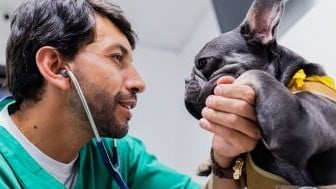
Learn how and why veterinary bills are increasing, and how a Healthy Paws plan can help.

Healthy Paws protects pets like family and makes peace of mind and more happy, healthy moments possible. Pet parents and industry reviews tell the story.

Rescue organizations across the U.S. received support for adoption efforts and ongoing care for vulnerable pets.

Make their food irresistible with the freshest nutritionally-balanced ingredients.

The Healthy Paws Community is a vibrant, social-first space for all pet lovers—whether you’re a Healthy Paws policyholder or simply passionate about pets. As a Pack Member, you can share your favorite pet photos and videos, connect with fellow pet parents, and stay informed with the latest Healthy Paws news and tips. It’s a welcoming place focused on connection, positivity, and celebrating the joy pets bring to our lives!

For today’s pet parents, a visit to the vet’s office can frequently lead to a severe case of sticker shock. As veterinary medicine continues to advance, the level of care available to our pets is increasingly mirroring human healthcare in its sophistication. While these medical advancements are helping our pets live longer and healthier lives, they also require a significant degree of financial investment from veterinary practices. These operational expenses are inevitably reflected in the rising cost of veterinary care.
Understanding the drivers behind these rising costs can help you make more informed decisions about your pet’s health and your financial preparedness. Here’s a detailed breakdown of six major factors that are driving the cost of veterinary care today, as well as some insights into how you can better navigate these expenses – including by doing things such as maintaining an emergency fund and signing up for Healthy Paws pet insurance.
The six biggest cost drivers in modern veterinary care
1. Facility and infrastructure costs
Operating a modern veterinary clinic requires substantial overhead. Like any other brick-and-mortar medical facility, these clinics face high costs for commercial rent or mortgages, commercial utilities, and ongoing facility maintenance.
On top of all that, veterinary clinics must comply with stringent health, safety, and environmental regulations. Maintaining sterile surgical suites, proper ventilation systems, and secure medical waste disposal protocols demands constant investment. The physical infrastructure required to safely treat, board, and isolate animals while preventing the spread of infectious diseases represents a massive baseline operational cost that clinics must factor into their exam fees and service rates.
2. Medical equipment and diagnostics
The days of relying solely on physical exams and stethoscopes are long gone. Today’s veterinary clinics are equipped with sophisticated, hospital-grade diagnostic technology: In many of them you’ll find digital radiography systems, high-resolution ultrasound machines, in-house laboratory analyzers, and other high-tech contraptions that allow veterinarians to diagnose complex conditions accurately and rapidly.
These machines can cost tens of thousands to hundreds of thousands of dollars just to purchase. Beyond that initial outlay, clinics must continue to pay for ongoing maintenance, software updates, and precise calibration to ensure accurate results. Specialized testing, such as comprehensive blood work and urinalysis, relies on this equipment to catch chronic illnesses early, which often prevents more expensive and invasive treatments later. The costs of maintaining this level of diagnostic readiness makes up a significant percentage of modern vet bills.
3. Veterinary education and expertise
Veterinarians are highly trained medical professionals. Earning a Doctor of Veterinary Medicine (DVM) degree requires four years of intensive veterinary school, which typically follows a four-year undergraduate program. Many veterinarians also complete rigorous internships and multi-year residencies to refine their clinical skills, and pursue specialized board certifications in fields such as surgery, dermatology, internal medicine, or cardiology.
To maintain their licensing, veterinarians must fulfill ongoing continuing education requirements, ensuring they stay current with the latest medical advancements and surgical techniques. The decades of clinical experience and extensive educational expense incurred by these professionals naturally command compensation that’s commensurate with their advanced medical expertise.
4. Staffing and labor costs
No vet works alone; veterinary medicine is a team-based discipline. A well-functioning clinic employs a diverse staff, including licensed veterinary technicians, skilled assistants, receptionists, and administrative support staff.
To attract and retain qualified professionals in a highly competitive job market, clinic owners must provide competitive salaries, comprehensive healthcare benefits, payroll taxes, and workers' compensation insurance. Furthermore, medical support staff require continuous training to safely handle animals, administer anesthesia, and operate complex diagnostic machinery. The labor required to provide attentive, safe, and effective care accounts for a large percentage of any veterinary bill.
5. Medications and medical supplies
The pharmaceutical and medical supply chains for veterinary medicine have experienced significant price increases. Clinics must continuously maintain a diverse inventory of prescription medications, specialized pet pharmaceuticals, and controlled substances, many of which call for strict, climate-controlled storage requirements in order to remain safe and effective.
Surgical procedures, meanwhile, require a wide array of single-use and depreciating supplies: Think sterile sutures, surgical instruments, IV fluids, and sophisticated anesthesia drugs. Additionally, many clinics stock specialty prescription diets that have been formulated to manage chronic conditions like kidney disease or severe allergies. The intricate inventory management and rising base costs of these necessary medical supplies add substantial line items to invoices for both routine and emergency veterinary care.
6. Specialized services
As veterinary medicine has evolved, specialized and emergency services have become more accessible – but they come at a premium.
Facilities that offer 24/7 emergency and urgent care require round-the-clock staffing and elevated operational overhead. Complex surgical procedures demand specialized surgical training, advanced sterilization equipment, and extended staff time for pre-operative and post-operative monitoring. Dental work requires specific scaling equipment and dental X-rays, which must often be performed under general anesthesia for the animal's safety. Advanced imaging techniques (such as CT scans and MRIs) involve immensely expensive machinery. When a general practitioner refers a case to a board-certified specialist, pet owners are paying for elite, highly focused medical expertise – which typically results in higher fees.
Strategies for saving money
While the trendlines may suggest ever-increasing veterinary costs, there are still ways for pet parents to economize.
- Prioritize preventive care. Keep up with annual exams, vaccinations, parasite prevention, professional dental care, and weight management guidance; these are all critical investments in a pet's longevity. Preventive care allows veterinarians to detect subtle changes in a pet’s health before they develop into severe, life-threatening conditions. A $200 annual exam and diagnostic screening, for example, can catch a localized issue early – potentially preventing much more expensive emergency care or extensive surgical interventions down the line.
- Shop around for routine services: While you should definitely rely on your trusted vet for complex care, you can and should compare prices for routine procedures or prescription medications at different veterinary clinics or accredited online pharmacies.
- Ask for itemized estimates: Before consenting to procedures, ask your veterinarian for a detailed estimate. Understanding the breakdown of exam fees, diagnostics, and treatments helps you make informed choices.
- Maintain a pet emergency fund: Keep a dedicated savings account for out-of-pocket costs, deductibles, and co-insurance payments.
- Keep detailed medical records: Share comprehensive records with specialists and bring them to emergency visits to prevent the costly duplication of diagnostic tests.
The importance of maintaining open communication with your vet
Veterinarians overwhelmingly get into the profession for a single reason: To take care of animals. While veterinary costs can be high, they don’t reflect price-gouging or greed on the part of practitioners. Rather, they reflect the economic realities of an industry that is constantly (and rapidly) evolving, technologically and professionally speaking, so as to provide pets with the best care possible.
Don’t hesitate to ask your vet about ways to manage expenses. They will be happy to have honest discussions with you about the necessity of certain procedures, preventive care strategies, and payment plans.
They may also tout the value of pet insurance, which vets often see first-hand as one of the best ways for pet parents to offset and alleviate the financial pressure that can come from vet bills. Healthy Paws pet insurance is designed to help reimburse pet owners for eligible veterinary expenses related to new accidents and illnesses. The mechanics are simple: By paying a monthly premium, you transfer a significant portion of your financial risk relating to pet accidents and illnesses. When your dog or cat suffers an unexpected injury or develops a covered illness, you pay your veterinary clinic directly, submit the itemized invoice, and quickly receive a reimbursement based on your selected reimbursement rate and deductible.
Keeping your pet healthy, happy, and long-lived requires a financial commitment – but there’s no question that it’s worth it. Talk to your vet about the best ways for you to work together to achieve your shared goal.

Meet Our Writer
Dr. Zac Pilossoph, Fear-Free Certified DVM, CMFT
-President, Nayked Pet®
-President, Human Excelsior LLC
-Education Committee Leader, Veterinary Cannabis Society
-Veterinary Content Advisor, Healthy Paws Pet Insurance
-Non-Profit Board Member, Global Strays Inc
-Non-Profit Board Member, Sedona Wolf Sanctuary
Dr. Zac Pilossoph is a nationally recognized integrative veterinarian and top graduate of Tufts University Veterinary School with post-graduate internship training in Veterinary E/CC and Neurology. After the completion of his conventional medicine training period, his first impact manifested as a traveling independent per diem veterinarian. With a now multi-state organically grown network of veterinary hospital partners, Dr. Zac contributes to dozens of emergency/critical care, primary care, and animal service clinics across America. Furthermore, as an effect of discussions with pet parents looking for complementary options to conventional practices, his interests on a more wholistic pet health approach grew. After years of quiet self- study, he eventually created Nayked Pet, an integrative medicine focused digital platform providing pet parents across the world a suite of resources meant to assist those proactive pet parents that inspired him from the beginning. He now helps lead Nayked Pet’s team while still working full-time as a traveling veterinarian. Lastly, Dr. Zac volunteers whatever free time he has left to various non-profit organizations and to helping curate informative, reliable online content.