

Learn how and why veterinary bills are increasing, and how a Healthy Paws plan can help.

Healthy Paws protects pets like family and makes peace of mind and more happy, healthy moments possible. Pet parents and industry reviews tell the story.

Rescue organizations across the U.S. received support for adoption efforts and ongoing care for vulnerable pets.

Make their food irresistible with the freshest nutritionally-balanced ingredients.
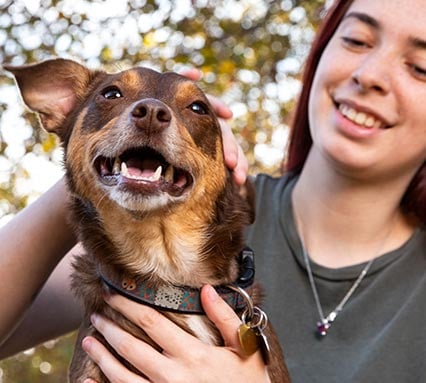
The Healthy Paws Community is a vibrant, social-first space for all pet lovers—whether you’re a Healthy Paws policyholder or simply passionate about pets. As a Pack Member, you can share your favorite pet photos and videos, connect with fellow pet parents, and stay informed with the latest Healthy Paws news and tips. It’s a welcoming place focused on connection, positivity, and celebrating the joy pets bring to our lives!

Introduction to Cocker Spaniels
One of the most beloved dog breeds is the cocker spaniel, which is known for its gentle demeanor, smart mind, and happy-go-lucky personality. These dogs are part of the Sporting Group of dog breeds and excellent all-around household companions. Cocker spaniels have consistently been one of the most popular breeds of dogs in America because of their ideal size and how they get along with everyone.
However, there are still quite a few things that you should know about cocker spaniels before purchasing or adopting one to live with you. There are also certain things that you can do to plan ahead for your cocker spaniel’s health and future, such as signing your dog up for cocker spaniel pet insurance.
Size of Cocker Spaniels
Male cocker spaniels weigh about 25 to 30 pounds and are approximately 14.5 to 15.5 inches tall. Meanwhile, female cocker spaniels are more like 20 to 25 pounds and stand 13.5 to 14.5 inches tall.
These active dogs usually stop growing between nine months and 12 months of age. However, they may continue building muscle until the ages of two years.
Below is a chart describing how big you can expect your cocker spaniel to be as your pup gets older. Males are on the higher end of the weight range, while females are on the lower end.
| Weight Chart | 3 months | 6 months | 9 months | 12 months |
| Male and female cocker spaniels | 6-12 pounds | 12-23 pounds | 14-28 pounds | 15-30 pounds |
Characteristics of Cocker Spaniels

For a medium-sized dog, cocker spaniels have big hearts and love being around people. Grooming them takes considerable time and effort, but their cheerful dispositions and happy snuggles makes all of that work worth it. These are ideal family dogs that are adaptable and that can do well in apartments or homes with large backyards. Cocker spaniels are also very trainable and have moderate physical needs, which makes them versatile pets for many different types of pet parents.
As you get to know a cocker spaniel’s personality, here’s what you can expect based on his or her breed characteristics:
| Breed Characteristic | Level (High, Medium, Low) |
| Affectionate with People | High |
| Good with Kids | Medium |
| Good with Pets | High |
| Need for Exercise | Moderate |
| Energy Level | Medium |
| Intelligence Level | Medium |
| Able to Be Trained | Medium |
| Amount of Barking | Medium |
| Amount of Shedding | Medium |
Cocker Spaniel Standard Information
The cocker spaniel is the smallest type of dog in the Sporting Group and has a sturdy and compact body. These are dogs that can run fast and that have great endurance. They are also balanced in all parts of their bodies and have a compelling desire to work.
According to the American Kennel Club, here is an overview of the breed standard information for cocker spaniels:
Head:
- Well-proportioned head with an alert and soft expression
- Round and full eyes with a dark brown iris
- Rounded skull
- Deep and broad muzzle
- Teeth meet in a scissors bite
Neck, Topline, Body:
- Neck rises strongly from the shoulders
- Topline slops slightly toward muscular quarters
- Deep chest with lowest point no higher than elbows
- Docked tail set on and carried on a line with the topline of back
Forequarters:
- Shoulders well laid back and forming an approximate 90-degree angle with upper arm
- Shoulders clean-cut and sloping without protrusion
- Pasterns short and strong
- Dewclaws on forelegs may be removed
- Feet large, round, firm, and compact
Hindquarters:
- Hips wide and quarters well-rounded and muscular
- Hind legs strongly boned and muscled
- Hocks strong and well let down
- Dewclaws on hind legs may be removed
Coat:
- Short and fine coat on head
- Medium-length coat on body
- Chest, ears, abdomen, and legs well-feathered
- Silky, flat, or slightly wavy texture
Color:
- Black variety, solid color other than black, or parti-color variety
- Tan points of varying shades and less than 10 percent of color
Gait:
- Balance between front and rear assemblies
- Smooth and effortless gait
- Must cover a good amount of ground with movement
Caring for Cocker Spaniels

Taking care of a cocker spaniel is lots of fun and fairly straightforward. These dogs don’t need a lot of space to roam around, so they are versatile and adaptable. The dogs do best indoors and not left outside all day long, however. They are cute and cuddly but also love to hunt, which means that they are ideal canine candidates for playing games of fetch and chasing balls.
Here are some general tips for taking the best care of a cocker spaniel:
Best Living Environments:
- Both apartments and houses with yards are good
- Families with children and other pets ok
Type of Exercise:
- Playtime inside a home
- Games of fetch, flyball, and tracking
- Brisk, 30-minute walks around the neighborhood twice per day
Mental Enrichment:
- Playtime with family members
- Socialization time in dog parks
- Don’t leave cocker spaniels alone for long periods of time
Training Strategies:
- Gentle and consistent training methods
- Sensitive to harsh corrections
- Generally a people-pleasing breed
- Make training sessions fun and social events
Grooming Tips:
- Consistent grooming is necessary
- Schedule regular haircuts
- Grooming appointments every six to eight weeks
- Groom with a metal comb that has medium and fine teeth spacing
- Trims nails regularly
- Clean ears once per week
Common Health Problems of Cocker Spaniels
Like all dogs, cocker spaniels are prone to certain health problems due to their genetics. For example, some of the most common genetic issues that affect this breed are epilepsy, liver disease, and heart disease.
These are some of the most common health issues that arise with cocker spaniels:
- Cataracts, glaucoma, and progressive retinal atrophy (eye diseases)
- Hypothyroidism that leads to other health issues
- Autoimmune hemolytic anemia (immune system attacks its blood cells)
- Allergies
- Ear infections
- Primary seborrhea (skin condition)
- Hip dysplasia
- Patella luxation
Diet and Nutrition for Cocker Spaniels

Fully grown cocker spaniels need about 1.5 to 2.5 cups of dry dog food per day. Even though they are moderate in size, they have big appetites and love to overeat if given the opportunity. Don’t give into your cocker spaniel’s adorable looks while begging for more treats and table scraps! This can cause your dog to become overweight and obese, which makes cocker spaniels more prone to the various health conditions mentioned above.
Where to Adopt or Purchase Cocker Spaniels
The American Spaniel Club, Inc. dates back to 1881 and is a trusted source of information about the breed, competitive programs available, and a list of reputable breeders if you want to purchase a purebred cocker spaniel.
However, you can also find many cocker spaniel rescue groups that can introduce you to cocker spaniels in need of loving homes. There are many breed-specific rescue groups across the country that focus on getting these dogs into foster homes until they can find their forever homes. Some examples of rescue groups include the Arizona Cocker Rescue, NorCal Cocker Rescue, Cocker Rescue of Florida, and Mid-South Cocker Spaniel Rescue.
Related Breeds
There are various types of spaniel dogs that you may want to learn about before settling on the cocker spaniel as your favorite dog. Here are some similar and related breeds to the cocker spaniel to consider:
- English springer spaniel
- American water spaniel
- Boykin spaniel
- Cavalier King Charles spaniel
- Clumber spaniel
- Field spaniel
- English toy spaniel
Pet Insurance for Cocker Spaniels
You can expect the average cocker spaniel to live 10 to 14 years, but to make the most of those years and ensure a happy life for your dog, you need to plan ahead for the future. A great way to do this is to sign up for cocker spaniel pet insurance through Healthy Paws. With no maximum payouts and most claims processed within two days, we can help you pay for expensive veterinarian bills whenever your dog gets into an accident, is injured, needs emergency care, or starts suffering from symptoms from breed-specific or genetic conditions.
Get your cocker spaniel pet health insurance quote on our website today.