

Learn how and why veterinary bills are increasing, and how a Healthy Paws plan can help.

Healthy Paws protects pets like family and makes peace of mind and more happy, healthy moments possible. Pet parents and industry reviews tell the story.

Rescue organizations across the U.S. received support for adoption efforts and ongoing care for vulnerable pets.

Make their food irresistible with the freshest nutritionally-balanced ingredients.
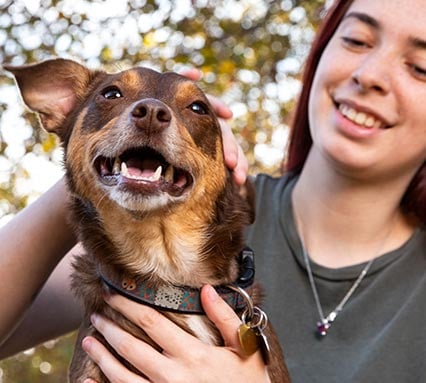
The Healthy Paws Community is a vibrant, social-first space for all pet lovers—whether you’re a Healthy Paws policyholder or simply passionate about pets. As a Pack Member, you can share your favorite pet photos and videos, connect with fellow pet parents, and stay informed with the latest Healthy Paws news and tips. It’s a welcoming place focused on connection, positivity, and celebrating the joy pets bring to our lives!

For humans, moving into a new place – while often stressful – can also be exciting. It’s a chance to start fresh and remake one’s living space according to personal preferences.
For cats, though, it’s pretty much a total nightmare.
Unlike us, most cats have no desire to “start fresh” or “remake” any aspect of their daily lives – they would prefer things to stay just as they are. Any sudden or dramatic change to the sights, sounds and smells that make up your cat’s everyday world can be a major source of anxiety, frequently sparking unusual behavior or sending them into hiding for lengthy periods of time.
If you’re preparing to move into a new place with your feline housemate, here are a few ways to reduce stress before, during and after the big day – along with ways to speed up the acclimation process.
Before the Move
- Pack and prepare gradually. Cats, as previously noted, can get seriously stressed out by big changes to their domestic environment. Introduce boxes into your space early, and – if you’re doing any of your own packing – pack slowly, over the course of several weeks if possible. Your cat will be far less anxious as a result (and may even enjoy sneaking into an empty box or two!).
- Set out the carrier. If you mostly use your cat carrier for trips to the veterinarian’s office, your cat may have only negative associations with it. But the carrier is going to play an essential role during the move. Put it out (again: well before moving day), leave the flap or door open, and keep it stocked with toys, treats and catnip to create an enticing “cat cave” that feels safe, inviting and comforting.
On the Day of the Move
- Feed your cat before starting. Once the movers arrive and/or people begin hauling boxes and furniture away, your cat may well lose its appetite.
- Isolate securely. If possible, leave your kitty in one room with the door and windows shut. Put a sign on any and all entrances making it clear that this room comes last – and that its door must remained closed until you give the okay. If you’re still nervous that someone might open the door and your cat might sprint out, don’t hesitate to use the carrier.
Upon Arrival at Your New Home
- Check the exits. While your cat is still tucked away in the carrier, go around the entire space and make sure that no doors or windows have been left open, even partially.
- Create a “safe room.” Once you’re confident there’s no escape route, pick a room – this will be your kitty’s entire universe for a while. Put the food bowl, water bowl and litter box in there, as well as any favorite toys. Open the carrier and let your cat out to investigate at their own pace. Ideally, this room will have in it some furnishings or objects that your cat will recognize by sight and smell and find comforting. But the most comforting presence of all in the room will be you: Spend as much time as you can in it after moving in, cuddling and nuzzling with your (very confused) pet.
- Settle in strategically. When you’re not cuddling and nuzzling, make as much progress as you can in putting your new home together with an eye toward providing your cat with as many familiar reference points as possible. If they had a favorite chair, make sure it’s not hidden away in the corner, covered by boxes and clothes. Amid the moving-related chaos, find the scratching post and the cat condo and give them (temporary) pride of place. The goal is to assure your cat that while the world may look very different than it did just a few days ago, it hasn’t changed completely.
- Let your cat explore. After you’ve made sure that all windows and doors to the outside are closed, it’s time to let your cat out of their safe room and begin checking out their new digs. Move the food and water bowls to wherever you’ve decided they will be located and treat your cat to an official housewarming breakfast or dinner. If they hesitate to enter new rooms or spaces, walk in ahead of them and invite them in with soothing words and (it goes without saying) treats. Though they may appear to be intimidated or uncomfortable as they move about, rest assured that they’re doing the important work of mentally mapping their new terrain. Leave the door to the safe room open so they can return to it if they decide they need a break.
Other Acclimation Tips
- Spread the scent. The feline face contains scent glands, which is one reason your cat likes to rub their whiskers on furnishings, doors, walls and you. The fastest way for your cat to feel safe and relaxed in the new space will be to mark it with their own unique pheromonal profile. Help speed the process along by wiping a clean cotton washcloth first over your cat’s face and head, then on furniture and baseboards throughout your home.
- Don’t rush to let your cat outside. If your cat is accustomed to splitting their time between indoors and outdoors, wait a while – most experts suggest two weeks at the minimum, with four to six weeks being even safer – before giving them a chance to venture out into the yard and neighborhood. If your new home isn’t far from your old one, your cat may simply decide to return, on their own, to the place they remember. And remember: If and when you do open the door to outside adventures, make sure your cat is microchipped and is wearing its identification tags.
Moving can be stressful, to be sure. But if you take the right steps, you can reduce the relocation-related stress on your cat and make moving a positive experience for every member of your household, human or feline. At Healthy Paws, we want your pets to be healthy and happy – and we want you to feel secure in knowing that your cat will be taken care of. Under a Healthy Paws pet insurance policy, you’ll be reimbursed up to 90 percent (or a lower percentage reimbursement that you select for your plan) of any veterinary bills pertaining to a covered illness, injury or physical condition, with no maximum annual or lifetime payouts. With that kind of assurance, you and your cat can feel free to explore the world together.
The material presented herein is advisory in nature and is not intended as a substitute for legal, insurance, or other professional advice, but rather is presented for general information only. You should consult knowledgeable experts as to any technical questions you may have.
Author
Guest Author
Guest authors for the Healthy Paws blog contribute content based on their research and expertise.