
Learn how and why veterinary bills are increasing, and how a Healthy Paws plan can help.

Healthy Paws protects pets like family and makes peace of mind and more happy, healthy moments possible. Pet parents and industry reviews tell the story.
Rescue organizations across the U.S. received support for adoption efforts and ongoing care for vulnerable pets.

Make their food irresistible with the freshest nutritionally-balanced ingredients.
The Healthy Paws Community is a vibrant, social-first space for all pet lovers—whether you’re a Healthy Paws policyholder or simply passionate about pets. As a Pack Member, you can share your favorite pet photos and videos, connect with fellow pet parents, and stay informed with the latest Healthy Paws news and tips. It’s a welcoming place focused on connection, positivity, and celebrating the joy pets bring to our lives!

Introduction to Basset Hounds
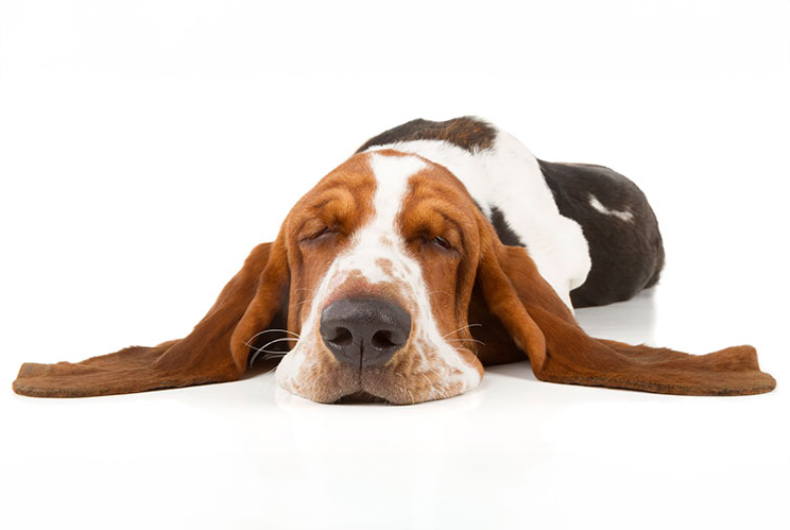
The basset hound is a low-key and patient dog that is also charming and part of the hound group of dog breeds. This is a very recognizable breed of dog that stands low to the ground and has powerful, short legs. Basset hounds are known for having long, droopy ears, an agreeable temperament (though they can be a bit stubborn at times), and a loud bark.
If you’re looking for a dog that’s easy to care for, loyal to family members, and that enjoys mild outdoor activities, a basset hound might be the perfect addition to your household. Read on to learn more about this breed and how to keep basset hounds protected with pet insurance in case anything affects your furry friend’s health.
Size of Basset Hounds
Male and female basset hounds reach an average weight of 40 to 65 pounds when fully grown. The dogs typically stand at about 14 to 15 inches tall. Most basset hounds reach their final adult weight and height by 16 months of age; however, some dogs will continue gaining a bit of weight until the age of two years.
Here’s how big you can expect your basset hound to get.
| Weight Chart | 3 months | 6 months | 9 months | 12 months | 24 months |
| Male basset hounds | 17-25 pounds | 34-42 pounds | 40-50 pounds | 40-63 pounds | 40-65 pounds |
| Female basset hounds | 15-22 pounds | 30-38 pounds | 35-45 pounds | 37-58 pounds | 40-65 pounds |
Characteristics of Basset Hounds
Basset hound dogs were bred to hunt rabbits and other small game, so they do great out in nature, where they can run, play, and put their prey instincts to work. However, these are also laid-back family dogs that are relaxing to be around and affectionate toward people.
You’ll love playtime with your basset hound, especially if there are other dogs around to play with. And while training can be a challenge due to the breed’s heightened sense of independence, you can (usually) overcome this with a little extra consistency and patience.
As you get to know a basset hound’s personality, here’s what you can expect based on his or her breed characteristics:
| Breed Characteristic | Level (High, Medium, Low) |
| Affectionate with People | High |
| Good with Kids | High |
| Good with Pets | High |
| Need for Exercise | Medium |
| Energy Level | Low |
| Intelligence Level | Medium |
| Able to Be Trained | Medium |
| Amount of Barking | High |
| Amount of Shedding | Medium |
History of Basset Hounds
The history of the basset hound takes us to France and Belgium, where the dogs were originally bred. Historians believe that the basset hound is a descendent of the St. Hubert Hound, which is an ancestor of the modern-day bloodhound. “Basset” means “low” in French, and friars of the Abbey of St. Hubert created the breed. They did so by crossing older French breeds of dogs and establishing a low-built hound with an excellent sense of smell and that could travel over rough terrain. Hunting was a way of life for French aristocrats, and this made the dogs instantly popular in their home country.
The American Kennel Club has recognized this breed of dog since 1885, and these dogs have remained steady in popularity throughout recent years. A basset hound was featured on the cover of Time magazine in 1928, and the breed was featured in an advertising campaign for Hush Puppy shoes in the 1960s. In many places, you will still find basset hound-themed picnics and waddles as annual traditions for families to enjoy.
Basset Hound Standard Information
The basset hound breed has many characteristics that make it unique, such as heavy bone structure, powerful legs, large paws, and great stamina. These are endurance dogs, rather than fast dogs, and ones with an excellent sense of smell. Basset hounds are skilled at traveling over rough terrain and exhibit a deliberate movement, great endurance, and extreme devotion.
Here is an overview of the breed standard information for basset hounds:
Head:
- Large and well-proportioned head
- Well-domed skull
- Deep and heavy muzzle
- Large and rectangular teeth that meet in a scissors or even bite
- Soft, sunken, and sad eyes
- Very long and low-set ears
Neck, Topline, Body:
- Powerful, long, and well-arched neck
- Long and smooth rib structure
- Topline straight and level
Forequarters:
- Deep and full chest with prominent sternum
- Powerful and well laid-back shoulders
- Short and powerful forelegs
- Massive paws with very tough and heavy pads
- Dewclaws may be removed
Hindquarters:
- Full and well-rounded hindquarters
- Hind legs parallel when viewed from behind
- Hind feet point straight ahead
- Dewclaws may be removed
Coat:
- Hard, short, and smooth coat
- Sufficient density of coat for all weather
- Loose and elastic skin
Color:
- Any recognized hound color is acceptable
- Distribution of markings is not important
Gait:
- Powerful, smooth, and effortless gait
- Nose low to the ground while moving
- Hocks well-bent with no stiffness
- Perfect coordination between front and hind legs
Caring for Basset Hounds
Although basset hounds are not as active as many other dog breeds, they still need regular exercise, such as daily walks, to stay healthy and help prevent obesity.
Here are some general tips for taking the best care of a basset hound.
Best living environments:
- Houses of any size
- Homes without stairs are best
- Households with kids and dogs are great
- An indoor lifestyle is preferred to an outdoor one
- No extreme hot or cold weather
Type of exercise:
- Daily walks
- Not great running partners
- Moderate amount of exercise needed
- Dog parks to play with other dogs
Mental enrichment:
- Tracking to satisfy the dog’s instincts
- Plenty of affection and quality time with family members
- Food puzzles when left alone
Training strategies:
- Independent dogs because they were bred to hunt on their own
- Start crate-training early
- Be extra patient while training these dogs
- Use only positive obedience training and start early in the dog’s life
Grooming tips:
- Short hair can shed profusely
- Brush to remove loose hair weekly
- Trim nails regularly
- Bathe occasionally
- Brush teeth daily

Common Health Problems of Basset Hounds
You can expect the average basset hound to live for about 12 to 13 years. Something unique and distinctive about basset hounds is their long and droopy ears, which require pet parents to check them regularly to monitor for infections. If you notice your basset hound scratching its ears or shaking its head excessively, these could be signs of an ear infection.
But overall, these are relatively healthy dogs. The national breed club for basset hounds has recommended that breeding dogs be screened for glaucoma, thrombopathia, and mucopolysaccharidosis (MPS).
These are some of the most common health issues that arise with basset hounds:
- Allergies
- Skin problems
- Gastric dilatation volvulus (bloat)
- Von Willebrand’s disease
- Panosteitis (wandering or transient lameness)
- Glaucoma
- Hypothyroidism
- Patella luxation
- Intervertebral disc disease
- Obesity
- Hip dysplasia
- Elbow dysplasia
- Ear infections

Diet and Nutrition for Basset Hounds
Basset hounds are prone to weight gain, so it is important to control your dog’s diet and make sure that you get a little exercise together every day. Although treats can be very helpful while training a basset hound, you’ll need to limit the number of treats so that you aren’t contributing to the dog becoming overweight. These dogs aren’t overly active in the house and they are hearty eaters, which can also contribute to weight gain.
Feed the amount of dog food needed to keep your pet slim. You should be able to see your basset hound’s waist and feel (but not see) their ribs without having to press too hard. Divide the total amount of food for the day into at least two meals for adults and three to four meals for puppies.
Most adult basset hounds will thrive when eating high-quality, nutritionally complete and balanced adult dog foods. Puppies should eat puppy food until they are around 12 months old. If you feed your basset hound homemade dog food, make sure you are working from a recipe that is designed by a veterinary nutritionist and that is appropriate for your dog’s age and health status.
Good nutrition is very important for basset hounds to live long and happy lives. Talk to your veterinarian if you have any questions about your dog’s diet or health.
Where to Adopt or Purchase Basset Hounds
The Basset Hound Club of America is the national breed club for basset hounds and a resource for finding a reputable breeder. The AKC Marketplace is also a place to look for a new puppy from an AKC-registered litter that is raised by a responsible breeder.
If you prefer to adopt a basset hound in need of a loving home, there are many local and regional resources to check out based on where you live, such as Guardian Angel Basset Rescue, Basset Hound Rescue of New Mexico, and Tri-State Basset Hound Rescue. Your local animal shelter may also be able to help you find a basset hound or basset hound cross in need of a good home.
Related Breeds
Although the basset hound is a unique dog, there are other similar and related types of dogs that share certain characteristics. Here are some other breeds to explore as you make the journey towards bringing a new pet into your life:
Pet Insurance for Basset Hounds
Whether you choose to adopt or purchase a basset hound, or whether your basset hound is anywhere from a puppy to a senior dog, pet health insurance is a great idea. Healthy Paws offers a top-rated pet insurance plan that covers new injuries and illnesses, emergency care, genetic and hereditary conditions, breed-specific conditions, and alternative care. Our plan is easy to understand and has no maximum limits on claim payouts.
Get your basset hound pet insurance quote on our website today.