
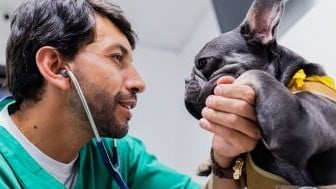
Learn how and why veterinary bills are increasing, and how a Healthy Paws plan can help.

Healthy Paws protects pets like family and makes peace of mind and more happy, healthy moments possible. Pet parents and industry reviews tell the story.

Rescue organizations across the U.S. received support for adoption efforts and ongoing care for vulnerable pets.

Make their food irresistible with the freshest nutritionally-balanced ingredients.
The Healthy Paws Community is a vibrant, social-first space for all pet lovers—whether you’re a Healthy Paws policyholder or simply passionate about pets. As a Pack Member, you can share your favorite pet photos and videos, connect with fellow pet parents, and stay informed with the latest Healthy Paws news and tips. It’s a welcoming place focused on connection, positivity, and celebrating the joy pets bring to our lives!

Introduction to Greyhounds
The Greyhound is one of the oldest and most iconic dog breeds in the world, known for its sleek build, remarkable speed, and gentle personality. Originally bred for hunting game due to their keen eyesight and sprinting ability, Greyhounds have since found a place in the hearts of families as calm, affectionate pets.
One unique feature of the Greyhound is its aerodynamic body built for speed with long legs, a deep chest, and a narrow waist. Despite being the fastest dog breed, Greyhounds are surprisingly low-energy at home and often described as “45-mph couch potatoes.”
At Healthy Paws, we celebrate every dog breed for its unique charm and qualities. In this Greyhound breed guide, we’ll cover everything you need to know about their personality, health, care, nutrition, and insurance needs.
Size of Greyhounds
Greyhounds are considered large dogs, with an elegant and lean physique. Males typically stand between 28 and 30 inches tall and weigh 65 to 70 pounds. Females are slightly smaller, standing 27 to 28 inches tall and weighing 60 to 65 pounds. Some dogs may get larger than this, however.
Greyhounds grow rapidly during the first year and reach near full size by about 12 to 18 months of age.
Here’s how big, on average, you can expect your Greyhound to get as they mature:
| Age | Male Greyhounds | Female Greyhounds |
| 3 months | 20 - 35 lbs. | 20 - 30 lbs |
| 6 months | 40 - 55 lbs. | 40 - 50 lbs |
| 9 months | 50 - 65 lbs. | 50 - 60 lbs. |
| 12 months | 55 - 70 lbs. | 55 - 65 lbs. |
| 24 months | 65 - 70 lbs. | 60 - 65 lbs. |

Characteristics of Greyhounds
Despite their athletic build and racing history, Greyhounds are quiet and calm dogs that adapt well to home life. They’re affectionate with family, polite with strangers, and often shy around unfamiliar situations. Their sensitive nature makes them excellent companions for people who want a low-maintenance and loving pet.
Here’s what to expect from a Greyhound’s temperament and behavior:
| Breed Characteristic | Level (High, Medium, Low) |
| Affectionate with People | High |
| Good with Kids | High |
| Good with Pets | Medium (high with other Greyhounds) |
| Need for Exercise | Medium |
| Energy Level | Low |
| Intelligence Level | Medium |
| Able to be Trained | Medium |
| Amount of Barking | Low |
| Amount of Shedding | Medium |
History of Greyhounds
The Greyhound’s roots trace back thousands of years. Ancient Egyptian tombs depict slender, hunting-type dogs resembling Greyhounds, and the breed has appeared in literature and art across many civilizations, from the Greeks to the Celts.
In Europe, Greyhounds were prized for their speed and used to hunt deer and hares. Their ability to spot and chase prey using sight rather than scent made them invaluable for coursing. By the Middle Ages, Greyhounds were so revered they appeared in religious art and were owned primarily by nobility.
In 1885, the American Kennel Club (AKC) officially recognized the Greyhound as a breed.
Modern Greyhounds are best known for their role in dog racing, which saw both popularity and controversy throughout the 20th century. As more awareness grew around the treatment of racing dogs, thousands of retired Greyhounds found loving homes through rescue organizations. Today, Greyhounds are beloved family pets and are often adopted from racing tracks or breed-specific rescues.
Greyhound Standard Information
The breed standard for Greyhounds, as recognized by the American Kennel Club (AKC), defines the ideal traits of this breed in appearance and temperament. Greyhounds should give an impression of elegance, strength, and speed.
Head:
- Long and narrow
- Slight stop (transition between skull and muzzle)
- Dark, bright eyes
- Small and fine ears
- Long, tapered muzzle
- Strong and even teeth
Neck and Body:
- Long, muscular neck
- Deep and wide chest
- Muscular and broad back
- Long tail that tapers to a point and curves upwards slightly
Forequarters:
- Muscular shoulders
- Straight forelegs
- Compact feet with well-knuckled toes
Hindquarters:
- Muscular and powerful
- Well-bent stifles and hocks
- Strong hocks with good drive
Coat:
- Short, smooth, and firm
- All colors and patterns accepted
Color:
- All colors and patterns accepted, including black, white, brindle, fawn, blue, and combinations
Gait:
- Effortless and smooth, with long strides that cover ground easily

Caring for Greyhounds
Greyhounds are affectionate and loyal companions, but they do best with gentle care and consistent routines. They love lounging but also need short, daily walks or playtime in a safe, enclosed area.
Here’s how to give your Greyhound their best life:
Best Living Environments:
- Suitable for apartments and houses
- Fenced yard ideal for short sprints (“zoomies”)
- Not tolerant of extreme cold due to low body fat and thin coat
Type of Exercise:
- Daily walks of 20–30 minutes
- Short, controlled sprints in enclosed spaces
- Low endurance but high speed bursts
Mental Enrichment:
- Puzzle toys
- Short training sessions
- Quiet time with the family
Training Strategies:
- Responds well to positive reinforcement
- May be sensitive or easily startled—avoid harsh discipline
- Use patience and consistency
- Socialization is important early on
Grooming Tips:
- Weekly brushing with a soft bristle brush
- Bathing every 2–3 months or as needed
- Clean ears and trim nails as needed
- Brush teeth daily for dental health
Common Health Problems of Greyhounds
Greyhounds are generally healthy dogs with a lifespan of 10 to 14 years, but like all breeds, they are prone to certain health concerns. They have unique physical characteristics that influence their medical needs, including thin skin, low body fat, and sensitivity to anesthesia.
Here are some common health problems to watch for:
- Osteosarcoma (bone cancer)
- Hypothyroidism (although low thyroid hormone levels can be normal in this breed)
- Gastric dilatation-volvulus (bloat)
- Heart disease (especially heart murmurs and cardiomyopathy)
- Periodontal disease
- Sensitivity to certain medications and anesthesia
- Corns on paw pads and toenail problems (especially in retired racers)
Due to their lean build and specialized physiology, it’s important to find a veterinarian experienced with Greyhounds or sighthounds.

Diet and Nutrition for Greyhounds
GrGreyhounds do best on high-quality and nutritionally balanced dog food suited to their age and activity level. Greyhounds may have sensitive stomachs, so gradual transitions between foods and careful monitoring are recommended.
Feeding Guidelines:
- Adults: Feed at least two meals per day to help prevent bloat
- Puppies: 3–4 meals daily until around 12 months old
- Avoid feeding right before or after exercise to reduce the risk of bloat
- Monitor weight carefully, Greyhounds should look lean but not emaciated
- Avoid high-fat treats or human food
Greyhounds often benefit from joint supplements and omega-3 fatty acids for skin and coat health. Always consult your vet for personalized recommendations.
Where to Adopt or Purchase Greyhounds
Many Greyhounds are available for adoption, especially retired racing dogs who make wonderful family pets. Breed-specific rescues help transition Greyhounds from racing life to home life, often offering support and resources.
Where to look:
If purchasing from a breeder, seek out those registered with the American Kennel Club and who prioritize health and temperament.
Related Breeds
If you’re interested in Greyhounds, you may also want to explore these related breeds:
- Whippet
- Italian Greyhound
- Scottish Deerhound
- Afghan Hound
These breeds share the Greyhound’s sighthound traits of speed, grace, and sensitivity.
Pet Insurance for Greyhounds
Because of the Greyhound’s unique medical needs, such as sensitivity to anesthesia and risk for certain cancers, we recommend enrolling your dog in pet insurance as early as possible.
Healthy Paws offers Greyhound insurance for puppies and adults. Our plan covers accidents, illnesses, hereditary conditions, and even alternative care, all with a quick and easy claims process.
Visit theHealthy Paws blog to learn more about dog care and get a personalized quote for your Greyhound today.