

Learn how and why veterinary bills are increasing, and how a Healthy Paws plan can help.

Healthy Paws protects pets like family and makes peace of mind and more happy, healthy moments possible. Pet parents and industry reviews tell the story.

Rescue organizations across the U.S. received support for adoption efforts and ongoing care for vulnerable pets.

Make their food irresistible with the freshest nutritionally-balanced ingredients.
The Healthy Paws Community is a vibrant, social-first space for all pet lovers—whether you’re a Healthy Paws policyholder or simply passionate about pets. As a Pack Member, you can share your favorite pet photos and videos, connect with fellow pet parents, and stay informed with the latest Healthy Paws news and tips. It’s a welcoming place focused on connection, positivity, and celebrating the joy pets bring to our lives!
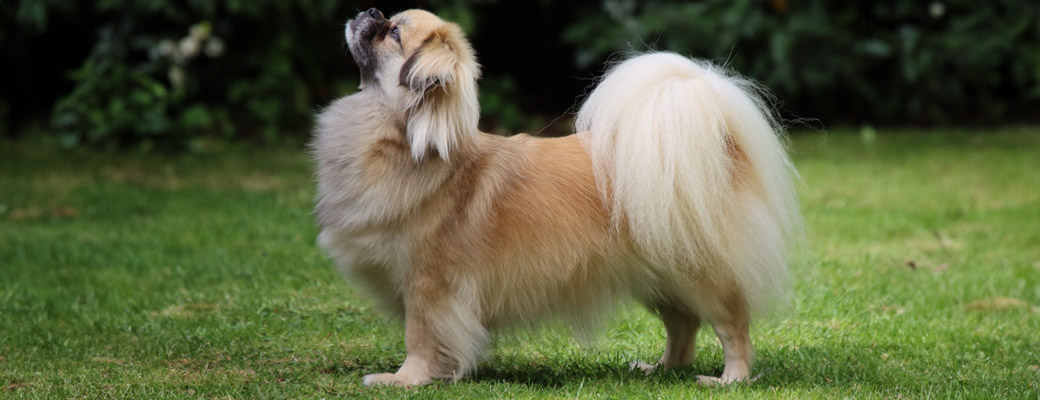
Introduction to Tibetan Spaniels
Tibetan spaniels are playful and smart little dogs that make excellent additions to many families. These dogs are confident, have long lifespans, and come in various color combinations.
This breed of dog has a long history that dates back to ancient monasteries as Buddhist monk companions. Today, they are adaptable dogs that fit nicely into a variety of households and become sensitive and affectionate family members when they get plenty of love and attention.
Is a Tibetan spaniel the right dog for your household?
Check out this Healthy Paws breed guide to learn more about the Tibetan spaniel’s characteristics, care, health concerns, feeding, training, and insurance needs.
Size of Tibetan Spaniels
When fully grown, a Tibetan spaniel will stand about 10 inches tall and weigh nine to 15 pounds. There are only slight differences between the size of males and females of this breed. The dogs are typically done growing by two years of age.
Here’s how big you can expect your Tibetan spaniel to get as the dog grows from puppyhood to adulthood:
| Weight Chart | 6 months | 9 months | 12 months |
| Average male and female Tibetan spaniels | 8 lbs. | 10.5 lbs. | 12 lbs. |
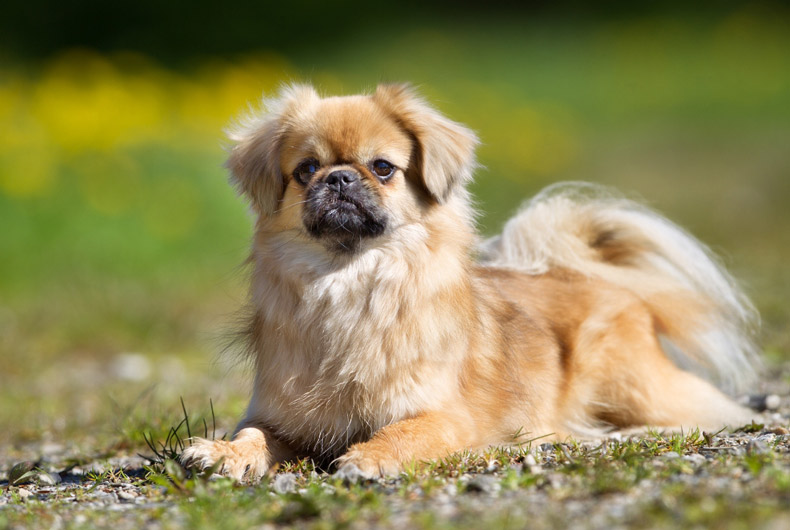
Characteristics of Tibetan Spaniels
The Tibetan spaniel is a non-sporting group dog that’s easy to train and has moderate exercise needs. They love keeping watch over their beloved family members from high spots in the house. They do well with kids, though their small size means they may be accidentally during rough play.
You can comfortably live in an apartment with a Tibetan spaniel. However, you’ll need to spend plenty of time with your pup because dogs of this sensitive breed don’t like being left alone for long periods of time.
As you get to know a Tibetan spaniel’s personality, here’s what you can expect based on the breed characteristics:
| Breed Characteristic | Level (High, Medium, Low) |
| Affectionate with People | High |
| Good with Kids | High |
| Good with Pets | Medium |
| Need for Exercise | Medium |
| Energy Level | Medium |
| Intelligence Level | Medium |
| Able to Be Trained | Medium |
| Amount of Barking | Medium |
| Amount of Shedding | Medium |
History of Tibetan Spaniels
Buddhist monks played an important role in developing and preserving the Tibetan spaniel breed. This is a dog breed native to Tibet, where monks kept the small dogs as companions alongside the much larger Tibetan mastiffs.
Tibetan spaniels were known for sitting high on top of monastery walls as they kept watch and alerted the monks of anyone coming their way. Although the dog is called a “spaniel,” it is not related to other traditional spaniel breeds.
Along with the Lhasa apso and the Tibetan terrier, the Tibetan spaniel is one of the three native Tibetan breeds in the non-sporting kennel club group. Tibetan terriers were known as “little lions” and were considered sacred in ancient times.
These elegant dogs made their way to China and Japan as gifts and then to England around the 1920s. The first known dogs of this breed were born in the U.S. in 1965. The American Kennel Club first recognized the breed in 1983.
Tibetan Spaniel Standard Information
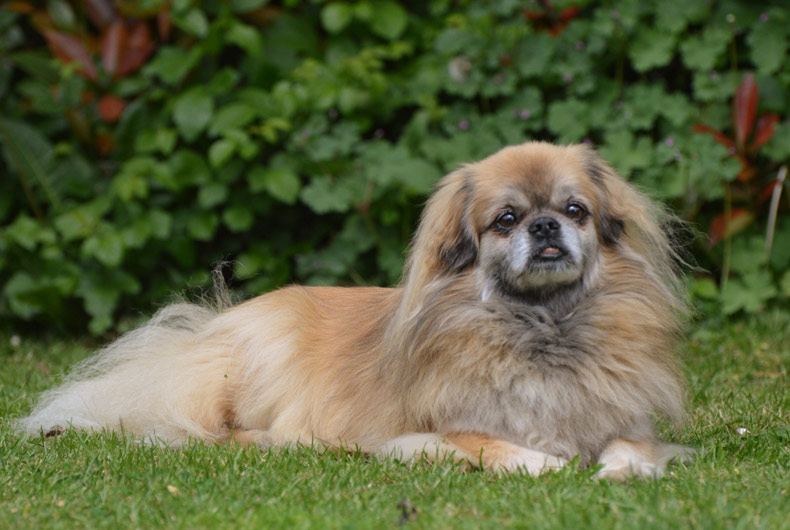
When Tibetan spaniels enter dog shows and competitions, judges evaluate them based on a particular set of criteria that defines the ideal characteristics of the dog. For example, the general appearance of the Tibetan spaniel is small, active, alert, well-balanced, and with a longer body than height at the withers.
Here is an overview of the breed standard information for Tibetan Spaniels:
Head:
- Small head in proportion to the body
- Dark brown eyes that are oval in shape
- Apelike expression with black eye rims
- Medium-size pendant ears that are well-feathered
- Skull is slightly domed and of moderate length and width
- Muzzle is moderate length and free from wrinkles
- Teeth do not show when mouth is closed
Neck, Topline, Body:
- Moderately short neck that is strong and well-set on
- Level back
- Tail is set on high and richly plumed
- Not penalized for tail-dropping when standing
Forequarters:
- Shoulders are firm and well-placed
- Bones of the forearms and slightly bowed
- Dewclaws may be removed
- Small, hare-like feet
Hindquarters:
- Strong hindquarters with a well-developed stifle
- Hocks are well let down and straight viewed from behind
- Dewclaws may be removed
- Feet are the same as in front
Coat:
- Double coat that has a silky texture
- Ears and back of the forelegs are feathered
- Tail and buttocks have longer hair
- Neck has a mane of longer hair
- Feathering on toes extends beyond the feet
Color:
- All colors and mixtures of colors are judged equally
Gait:
- Free, positive, straight, and quick-moving
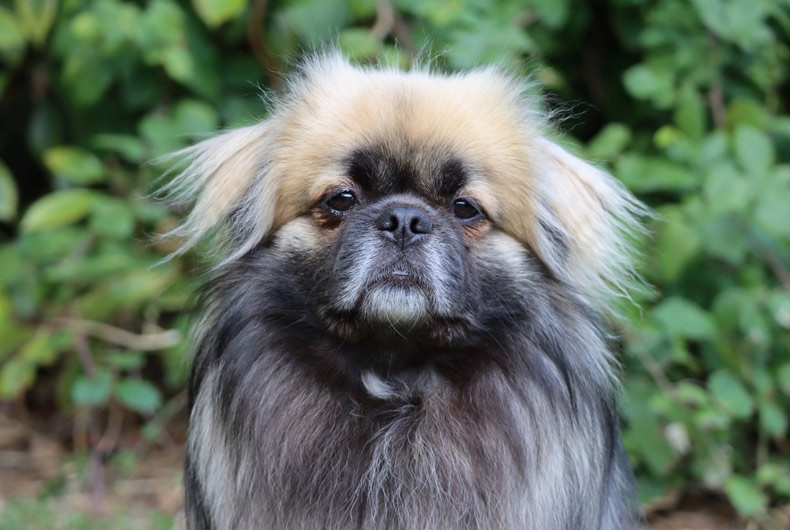
Caring for Tibetan Spaniels
Tibetan spaniels love keeping watch over their families and alerting them to anything suspicious. Although this breed has an independent nature, it also thrives on attention from people. Their small size makes them excellent apartment and small house companions.
Here are some general tips for taking the best care of a Tibetan spaniel:
Best Living Environments:
- Sensitive dogs that benefit from frequent human interaction
- Apartments and small homes are suitable for this breed
- Homes where a bit of barking isn’t a significant problem
- Best with kids at least six years old who know better than to tease or roughhouse with dogs
Type of Exercise:
- About 30 minutes of exercise are needed per day
- Playtime in the house or small yard
- Short walks around the neighborhood
- Can walk about six miles per week
Mental Enrichment:
- Scent work
- Agility training
- Games of fetch
- Rally
- Snuggling with family members
Training Strategies:
- Practice extra patience with dogs during independent streaks
- Eager-to-please dogs that enjoy learning new things
- Use positive reinforcement with treats and praise
- Start training during puppyhood
- Known for barking frequently without proper training
Grooming Tips:
- Brush the coat at least weekly to remove loose hair
- May need to brush daily to prevent mats
- Sheds in small amounts throughout the year
- Bathe about every two months
- Brush teeth daily
- Trim nails once or twice per month
Common Health Problems of Tibetan Spaniels
Tibetan spaniels are dogs with good longevity and typically live for 12 to 15 years.
With the rising costs of veterinary care, an increasing number of pet parents are enrolling their pups in pet health insurance plans. If you get your Tibetan spaniel from a breeder, ensure that the breeder is reputable and can provide health clearances from the Orthopedic Foundation for Animals and the Canine Eye Registry Foundation.
These are some of the most common health issues that arise with Tibetan spaniels:
- Patellar luxation (slipped stifles, misalignment of the legs that causes lameness or movement difficulty)
- Progressive retinal atrophy (degenerative eye disorder)
- Cherry eye (protruding 3rd eyelid)
- Portosystemic shunt (liver shunt)
Diet and Nutrition for Tibetan Spaniels
An adult Tibetan spaniel needs about 0.7 cups of dry dog food daily. You should split this daily amount into two morning and evening meals for your dog.
The average daily cost to feed a Tibetan spaniel is just under $1 per day.
Where to Adopt or Purchase Tibetan Spaniels
The Tibetan Spaniel Club of America is the national parent club for this breed and a membership organization that provides information about the breed and resources for adoption and breeders.
The club offers a breeder referral and a rescue program to connect people with homeless Tibetan spaniels. You can also search for adoptable pets on Petfinder and Adopt a Pet in your area.
Related Breeds
The Tibetan spaniel shares physical and temperament characteristics with various other dog breeds, which you might be interested in learning more about if the Tibetan spaniel appeals to you. For example, you might also search for another dog of Eastern origin that is small, affectionate, and has a profuse coat.
Here are some additional breeds to consider for your next pet:
- Lhasa apso
- Tibetan terrier
- Japanese chin
- Pekingese
- Shih Tzu
Pet Insurance for Tibetan Spaniels
Once you bring a Tibetan spaniel into your home, pet health insurance is one of the next crucial things to look into. Healthy Paws offers Tibetan spaniel dog insurance that covers new accidents, illnesses, hereditary and congenital conditions, cancer care, emergency and specialty hospitals, chronic conditions, breed-specific conditions, and alternative care.
We are here for you on your pet’s worst days and offer a speedy claims process to reimburse you hassle-free and quickly for vet bills you pay. Put your mind at ease that you can always afford your Tibetan spaniel’s necessary medical care with Healthy Paws by your side.
To see your Tibetan spaniel health insurance quote today, please share a few details about your dog with us on our website. We look forward to helping you protect your furry friend.
Authors
Stacy Painter
Stacy has always been an animal lover and has worked in the pet industry and pet insurance specifically for over a decade. As a writer since early childhood, content writing for Healthy Paws pet insurance was a natural career path to combine her two passions. She currently lives in Florida with her boyfriend and Taiwanese rescue dog, Kaya.
Cathy Barnette, DVM
Cathy Barnette is a veterinarian and freelance writer based in Punta Gorda, FL. Cathy creates educational content for pet owners and veterinary team members. She is passionate about making complex medical information accessible to pet owners, allowing them to partner with their veterinarians to make informed decisions about their pets’ health. In addition to her human family members, she shares her home with one dog, two cats, and a dove. Cathy Barnette on LinkedIn