
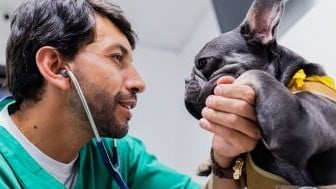
Learn how and why veterinary bills are increasing, and how a Healthy Paws plan can help.

Healthy Paws protects pets like family and makes peace of mind and more happy, healthy moments possible. Pet parents and industry reviews tell the story.

Rescue organizations across the U.S. received support for adoption efforts and ongoing care for vulnerable pets.

Make their food irresistible with the freshest nutritionally-balanced ingredients.
The Healthy Paws Community is a vibrant, social-first space for all pet lovers—whether you’re a Healthy Paws policyholder or simply passionate about pets. As a Pack Member, you can share your favorite pet photos and videos, connect with fellow pet parents, and stay informed with the latest Healthy Paws news and tips. It’s a welcoming place focused on connection, positivity, and celebrating the joy pets bring to our lives!

If you’re currently considering purchasing pet insurance, you’re probably doing a lot of comparison shopping right now. Premiums, deductibles, waiting periods, exclusions, and reimbursement rates all affect what you pay and what a policy may help cover.
That’s why it’s important to look beyond marketing language and focus on how a plan fits your pet’s unique needs – and your budget. The truth is that there is no single “right” plan for every pet owner. The best choice for you will depend on your dog or cat’s age, breed, health history, and lifestyle, as well as your comfort level for paying out-of-pocket veterinary costs.
Asking the right questions upfront can help you compare policies – including those offered by Healthy Paws – with more confidence. Here are five of the most important ones to ask.
5 Questions to Ask Yourself Before Buying Pet Insurance
1. What kind of coverage does my pet need?
This is key: Start with your pet, not the policy. The optimal insurance plan will reflect risks based on factors such as species, breed, age, and lifestyle – all of which combine to create your pet’s unique risk profile. For example:
- Some large dog breeds may be more prone to orthopedic problems, and flat-faced breeds may encounter breathing issues.
- Certain cat breeds are at higher risk for heart or kidney conditions.
- Puppies and kittens are more likely to swallow foreign objects, get injured during play, or need treatment for infections and parasites.
- Older pets are more likely to develop ongoing conditions such as arthritis, diabetes, or cancer.
- Indoor cats faces different risks than those that spend time outdoors.
- A dog that hikes, hunts, or travels often may face more injury risk than a less active pet.
Just because your pet falls under one or more of these categories doesn’t mean it will definitely develop a problem down the line. But knowing more about these risk factors at the outset may help guide you towards a policy whose coverage details are best designed to meet them.
2. What does – and what doesn’t – the policy cover?
Many pet insurance plans appear to be similar at a glance. But coverage details can vary in meaningful ways.
Most plans focus on accident and illness coverage. When comparing policies, look closely to see whether they cover:
- Accidents (such as broken bones, bite wounds, or toxic ingestion)
- Illnesses (such as infections, digestive issues, or cancer)
- Emergency visits
- Surgeries and hospitalization
- Diagnostic tests (including blood work and imaging)
- Prescription medications
- Dental injuries
- Chronic conditions
- Alternative therapies (if relevant to your pet)
It’s just as important, however, to be aware of a policy’s exclusions – what a policy doesn’t cover. Three common exclusions are:
- Pre-existing conditions. Pet insurance policies typically don’t cover them – but definitions vary by insurer, so read this section carefully. (Some insurers distinguish between curable and incurable conditions, for instance.)
- Preventative care and routine maintenance. Vaccinations, annual exams, flea and tick prevention, and spaying or neutering are often excluded unless offered through an optional wellness add-on.
- Cosmetic and elective procedures. Any procedures that are not medically necessary are typically excluded.
In short, don’t compare plans on price alone. Review coverage charts, exclusions, and rules regarding waiting-periods, consultations, and exam fees. Finally: Request a sample policy from the insurer, if available.
3. How much will I be paying monthly – and how much could I still end up owing?
To fully understand the full financial picture, you’ll need to consider a number of factors:
- Your monthly premium. This is the amount that you’ll be paying to keep the policy active. It’s often calculated by the insurer based on your pet’s age, breed, and location. A lower premium can be appealing, but it may come with less generous coverage or higher out-of-pocket costs later. And premiums may increase over time, especially as pets get older.
- Your deductible. This is the amount you will have to pay out-of-pocket before your insurer starts reimbursing any covered claims. An annual deductible needs to be met only once per policy year, whereas a per-incident deductible requires you to pay a separate deductible for each new covered accident or illness.
- Your reimbursement rate. This determines how much of the covered bill the insurer pays after the deductible has been met; common rates are 70%, 80%, and 90%. If your policy’s reimbursement rate is 80%, you’ll be responsible for paying the remaining 20% of the covered amount out-of-pocket.
- Annual limits and payout caps. Check for these: Lower limits and caps may help reduce your monthly premiums, but they can also provide a lesser benefit if your pet needs expensive treatment.
4. When should I buy pet insurance?
In most cases, the answer is: the earlier, the better.
Timing matters because pet insurance is designed to address future eligible conditions, not health issues that have already been documented. Younger pets are less likely to have pre-existing conditions, and as a result premiums are often lower for puppies and kittens. Buying early can also make a difference later on: Should your pet develop a chronic condition after enrollment, that condition may be eligible for coverage if it wasn’t present before the policy’s start date.
But even if your pet is already an adult, coverage may still be worth exploring. Existing conditions are likely to be excluded, but future unrelated accidents and illnesses may still be eligible.
It’s important to note that coverage normally doesn’t begin on the day you enroll. Most insurers apply waiting periods before certain coverages take effect. Common examples include:
- Accident waiting periods (typically 2 to 14 days)
- Illness waiting periods (typically 14 days)
- Longer waiting periods for some orthopedic conditions
If a condition appears during the waiting period, it may be excluded
5. How user-friendly is the policy I’m considering?
A pet insurance plan can look strong on paper and still be frustrating to use. Before buying, make sure you understand how veterinary access, claims, and reimbursement will work in real situations.
- Network restrictions vs. open access. Some pet insurance plans let you visit any licensed veterinarian, including emergency clinics and specialists. That kind of flexibility can matter if your pet needs urgent care while traveling or requires specialty treatment.
- Claims submission and reimbursement. In most cases, you’ll be paying the veterinary bill first before submitting a claim for reimbursement. For this reason you’ll want the claims process to be straightforward and timely. Can claims be submitted through an app or online portal? What documents are required? How long does reimbursement usually take? Is direct deposit available? You should get answers to these questions before signing on the dotted line.
- Direct payment options. Some insurers allow for direct payment to veterinary clinics in certain situations. If large upfront bills would be difficult for your household, this feature may be worth asking about.
- Customer support. Reliable and compassionate customer support makes a big difference when your pet is sick or injured. Check to see whether the insurer offers phone, email, and/or chat support, and investigate what online reviewers have to say.
Ask the right questions – then choose with confidence
Choosing the best pet insurance for your situation requires doing a little homework. Mainly you’ll need to make sure that whatever plan you choose:
- Fits your pet’s health and lifestyle risks
- Clearly explains covered care and exclusions
- Balances premium costs with deductibles, reimbursement, and limits
- Is purchased before new problems arise
- Is practical and user-friendly
When you’re comparing different insurance plans, take the time to explore the ways that Healthy Paws approaches coverage, veterinary access, deductibles, claims and reimbursement, caps on payouts, and customer service. There’s a reason we were named the Best Overall pet insurance provider by Consumers Advocate for 2026: Healthy Paws knows that your pet is a member of your family, and so we protect it like one.