
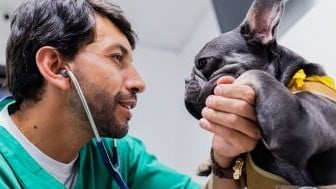
Learn how and why veterinary bills are increasing, and how a Healthy Paws plan can help.

Healthy Paws protects pets like family and makes peace of mind and more happy, healthy moments possible. Pet parents and industry reviews tell the story.

Rescue organizations across the U.S. received support for adoption efforts and ongoing care for vulnerable pets.

Make their food irresistible with the freshest nutritionally-balanced ingredients.
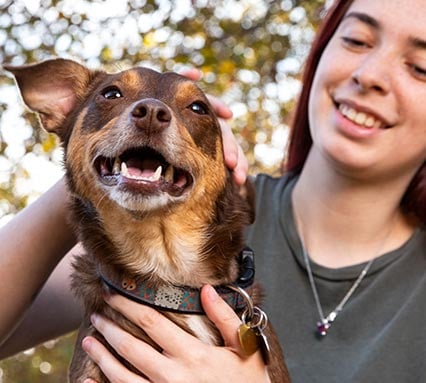
The Healthy Paws Community is a vibrant, social-first space for all pet lovers—whether you’re a Healthy Paws policyholder or simply passionate about pets. As a Pack Member, you can share your favorite pet photos and videos, connect with fellow pet parents, and stay informed with the latest Healthy Paws news and tips. It’s a welcoming place focused on connection, positivity, and celebrating the joy pets bring to our lives!

Our pets are part of the family, and we want to keep them healthy, happy, and safe. But illnesses and injuries are unpredictable, and bills can quickly add up with the rising cost of veterinary care. Many pet parents are not able to cover these unexpected costs—that’s where pet insurance comes in.
Pet insurance is for those mishaps, catastrophes and illnesses that you can’t plan for—like when the dog accidentally eats something he shouldn’t.
What Does Pet Insurance Cover?
Base Coverage
A typical pet insurance plan covers the costs of veterinary care to treat a new injury or illness. This includes diagnostic tests, surgeries, medications, and other medically necessary treatment. Some plans include coverage for alternative therapies such as hydrotherapy. Pet insurance providers do not usually cover pre-existing conditions, which is why it’s important to sign up for a plan as soon as possible.
Add-on Coverage
Because pet insurance plans are designed for the unexpected, planned pet care services are usually not covered. However, some providers offer plan add-ons for an additional fee. Additional coverage available for purchase may include:
- Wellness coverage, such as annual vaccines, spay/neuter surgery, and dental cleanings
- Alternative therapy coverage, such as chiropractic treatment, acupuncture, and hydrotherapy
Pet Insurance Coverage Types
When shopping for pet insurance, you’ll find that different companies offer varying levels of coverage. Some variables to be aware of:
Deductible—The amount you’re responsible for before benefits kick in. Deductibles can be annual or per incident. A lower deductible usually results in a higher monthly premium cost.
Reimbursement level—The percentage of the remaining cost (after the deductible) you can expect the insurance company to cover. You can typically choose from 70%, 80%, or 90% reimbursement levels, with higher reimbursement levels resulting in a more expensive monthly premium.
Annual limit—Some pet insurance plans have an maximum annual limit for how much they will reimburse. Others (like Healthy Paws) offer a choice of annual limit– up to unlimited. Unlike Healthy Paws, some pet insurance companies also place lifetime limits on the dollar amount they will pay to cover your vet bills.
Coverage exclusions—Look for companies that cover all accidents and illnesses, including genetic and hereditary conditions, and do not exclude based on breed.
Most pet insurance providers offer multiple deductible options, reimbursement levels and annual payout limit choices. You can adjust these to customize a monthly price that works with your budget.
What’s Not Covered
Most accident and illness pet insurance policies don’t cover wellness care (those annual trips to the vet for an exam and necessary vaccines). Some companies offer wellness care, but you should weigh the maximum annual payout of a wellness plan against the cost of the monthly premium and make sure the items it covers are useful for your pet.
It is important to note that no policy covers pre-existing conditions. Don’t wait until your pet has an unexpected trip to the vet to consider pet insurance.
What to Look For
It’s a good idea to compare multiple plans to understand what’s covered and how reimbursement works. Here are a few things to consider during your research:
A policy that allows you to use any vet. Pet insurance differs from human health insurance in that you typically pay the vet directly and get reimbursed by the insurance company.
Pet insurance that reimburses you based on the actual vet bill, as opposed to a benefit schedule that only reimburses you based on what is considered the “ordinary” cost of a procedure.
Read reviews. Be sure to consult third-party review sites to see what actual customers are saying about the pet insurance plans you are considering.

Meet Our Writer
Stacy Painter
Stacy has always been an animal lover and has worked in the pet industry and pet insurance specifically for over a decade. As a writer since early childhood, content writing for Healthy Paws pet insurance was a natural career path to combine her two passions.
She currently lives in Florida with her boyfriend and Taiwanese rescue dog, Kaya.