
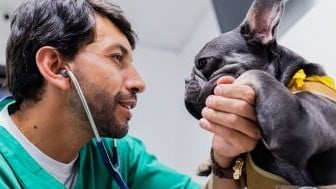
Learn how and why veterinary bills are increasing, and how a Healthy Paws plan can help.

Healthy Paws protects pets like family and makes peace of mind and more happy, healthy moments possible. Pet parents and industry reviews tell the story.

Rescue organizations across the U.S. received support for adoption efforts and ongoing care for vulnerable pets.

Make their food irresistible with the freshest nutritionally-balanced ingredients.
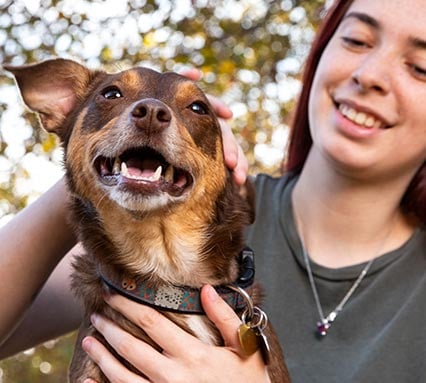
The Healthy Paws Community is a vibrant, social-first space for all pet lovers—whether you’re a Healthy Paws policyholder or simply passionate about pets. As a Pack Member, you can share your favorite pet photos and videos, connect with fellow pet parents, and stay informed with the latest Healthy Paws news and tips. It’s a welcoming place focused on connection, positivity, and celebrating the joy pets bring to our lives!

Few situations are more stressful than a sudden pet emergency. One moment your dog or cat seems fine; the next, you’re trying to determine whether you need to drop everything you’re doing and race to an emergency veterinary clinic.
In that moment, it pays to have a clear plan. This article describes what to do in a pet emergency, step by step. Many emergency guides focus exclusively on immediate medical response. Also important, however, is knowing what records to save and – if you have pet insurance – how to file a claim after your pet’s condition has stabilized.
Prerequisite: If you have pet insurance, understand your coverage details before a crisis strikes
The best time to learn about your insurance coverage is before an emergency happens. During a moment of crisis, your focus should be on getting the proper veterinary care quickly – not reviewing policy details.
Comprehensive vs. limited coverage
Pet insurance plans often fall into one of two broad categories:
- Accident and illness coverage: Designed to help with a wide range of unexpected problems, such as injuries, infections, or sudden illness.
- Accident-only coverage: Typically limited to injuries alone and may not help pay for emergency care tied to illness, poisoning, or internal conditions.
Key policy terms to know
Before an emergency, review these core terms:
- Deductible: The amount you pay out of pocket before eligible reimbursement begins.
- Reimbursement rate: The percentage of eligible costs that the insurer may reimburse after the deductible is met.
- Annual coverage limit: The maximum amount that the policy may reimburse during the policy year.
- Exclusions: Conditions or services that the policy doesn’t cover.
Also check whether your insurer has specific claim requirements, such as itemized invoices, medical notes, or the sharing of prior records.
Waiting periods and pre-existing conditions
Most policies have waiting periods between the date of enrollment and the date that coverage begins. Pre-existing conditions—health issues that are present before coverage starts or during a waiting period—are commonly excluded. Knowing this in advance can help you set realistic expectations and optimize financial planning.
Step 1: Take a breath … then determine if it’s a true emergency
Stay as calm as you can – a clear head helps you act faster and more safely. Try to assess your pet’s condition from a short distance away; an animal in pain may bite, scratch, hide, or resist handling, even if they are usually gentle.
If you’re uncertain whether the symptoms constitute an emergency, contact your veterinarian or a 24-hour animal hospital right away. Signs that your pet may require immediate care can include:
- Respiratory difficulty: Labored breathing, choking, wheezing, or pale or blue gums.
- Suspected poisoning: Exposure to medications, toxic foods, plants, or chemicals.
- Seizures: A first seizure, repeated seizures, or a seizure lasting longer than expected.
- Bloat in dogs: A swollen abdomen, retching without producing vomit, and/or extreme restlessness.
- Urinary obstruction: Straining to urinate, with little or no urine produced.
Step 2: Call the emergency vet before you go
If possible, notify them prior to your arrival: This helps the clinic prepare. It also helps you get the right instructions. Briefly but clearly explain:
- Your pet’s symptoms
- When the problem started
- Any suspected cause
- Whether your pet has known medical conditions
Ask whether the clinic is accepting emergency patients, whether you should come in immediately, and whether there are any first-aid steps you can or should take before transport.
If the issue involves poison, medication, plants, chemicals, or human food, contact a poison resource right away. The ASPCA Animal Poison Control Center is a 24/7 resource for animal poison-related emergencies. A small consultation fee may apply, but the guidance and case details you receive may lead to faster treatment once you arrive at the veterinary clinic.
If your pet is stable and another person is available to help you, one person can gather insurance details while the other calls the vet. Don’t delay urgent care to confirm coverage. If possible, bring your policy information or have your insurer’s app open on your phone.
Step 3: Transport your pet safely
Safe transport protects both you and your pet. Use a hard-sided carrier for cats and small dogs when possible. Use a leash for dogs that can walk safely. If you suspect your pet has a serious injury, use a towel, blanket, or other means of firm support to help move them – but only if you can do so safely. Avoid putting your hands or face near an injured pet’s mouth. And keep your pet warm, quiet, and as still as possible during the trip.
Bring with you any items that may help the veterinary team make an accurate diagnosis and respond more quickly:
- Packaging or a photo of any suspected toxin
- Any current medications
- Relevant medical history
If it doesn’t delay care, bring insurance information and recent medical records with you. Photos or videos of symptoms may also help the veterinarian with diagnosis and treatment, and may support later documentation.
Step 4. At the emergency vet, focus on care — but also begin gathering documentation
Once you arrive, the medical team will assess your pet and begin treatment based on urgency. Emergency clinics typically begin with triage, followed by stabilization (if needed), which is followed in turn by a diagnostic recommendations and a treatment estimate. You may need to sign consent forms and pay a deposit, or sometimes the full bill, upon discharge.
Many pet insurance plans work on a reimbursement model. That means you may pay the clinic first, then submit a claim for eligible expenses. To make this process go as smoothly as possible, make sure you gather the proper documentation before leaving:
- A detailed, itemized invoice
- Medical notes and discharge instructions
- Diagnostic results, prescriptions, and treatment plans
- Clear records of the diagnosis, symptoms, and care provided
This documentation is often essential for claims. If you have insurance, ask whether the clinic can help provide any other records that your insurer may need.
Step 5: File your pet insurance claim after the emergency visit
Once your pet is stable, file your claim as soon as practicable. Review your insurer’s instructions in the app or policy documents. Most insurers accept claims through an app, online portal, email, or claim form. Submit:
- The itemized invoice
- Medical records
- Discharge notes
- Any other requested documents
Keep copies of everything. Your insurer may also request records from your regular veterinarian to review whether the condition is pre-existing.
Your final reimbursement will depend on your specific policy terms. In most cases, the insurer will review eligible costs, apply your deductible, apply your reimbursement rate, and check whether the amount falls within your annual limit. Save all records for follow-up visits related to the same emergency.
What if you don’t have pet insurance yet?
If cost is an issue, ask the clinic about estimates, payment options, financing, or charitable resources. Pet insurance generally helps with future eligible accidents or illnesses, not care for conditions that occurred before enrollment.
After the immediate situation has been resolved, it may be a good time to consider getting coverage going forward – especially if you’re concerned about rising veterinary costs.
Ways to minimize the impact of veterinary bills
You can’t remove all financial risk from emergency care. But you can prepare:
- Keep up with preventive care
- Ask for estimates and itemized bills
- Compare costs for routine care before a crisis occurs
- Maintain a dedicated emergency fund
- Keep organized medical records
- Avoid delaying care when symptoms look serious
Pet emergency and insurance checklist
- Before an emergency
- Save your vet, emergency clinic, and poison control numbers
- Review your deductible, reimbursement rate, and exclusions
- Keep a carrier or leash ready
- Store medical records and policy details in one place
- During an emergency
- Assess your pet safely
- Call the emergency vet or poison resource
- Transport your pet securely
- Prioritize treatment over insurance questions
- After the emergency visit
- Request an itemized invoice and medical notes
- Review claim instructions
- Submit records promptly
- Track your claim and save follow-up documents
Prepare now so you can act swiftly later
A pet emergency can feel overwhelming – but preparation helps. The most important step, of course, is finding your pet the appropriate veterinary care both quickly and safely.
Once your pet is safe and receiving care, basic insurance tasks such as gathering records, reviewing deductibles, and submitting a claim become easier to manage. Understanding both the medical steps and the insurance steps can help you respond with more confidence. If you’re currently considering pet insurance options, explore the range of products offered by Healthy Paws designed to make sure you’re covered before the next emergency happens.
This material is intended as general information only. Please consult with a licensed insurance agent for any insurance-related questions you may have regarding your individual circumstances.
Healthy Paws, a Chubb Company, is the marketing name used to refer to the pet insurance products underwritten and provided by ACE American Insurance Company, Westchester Fire Insurance Company, Indemnity Insurance Company of North America, ACE Property and Casualty Insurance Company and Atlantic Employers Insurance Company and one or more of their U.S. based Chubb underwriting company affiliates.
Chubb is the marketing name used to refer to subsidiaries of Chubb Limited providing insurance and related services. For a list of these subsidiaries, please visit our website at www.chubb.com. This communication contains product summaries only. Coverage is subject to the language of the policies as actually issued.
These pet insurance products are offered through Chubb Insurance Solutions Agency Inc. (CISA) (California license no. 0D12120). Surplus lines insurance sold only through licensed surplus lines producers. Chubb, 202 Hall's Mill Road, Whitehouse Station, NJ 08889-1600.

Meet Our Writer
James Staines
James Staines is AVP of Marketing & Media at Healthy Paws, a Chubb Company. With two decades of marketing experience, he drives brand awareness, content strategy, and media — leading cross-functional teams of marketers, designers, and copywriters dedicated to growing the Healthy Paws brand.