
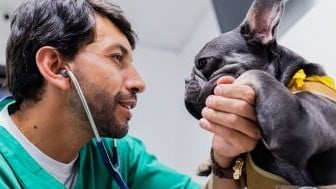
Learn how and why veterinary bills are increasing, and how a Healthy Paws plan can help.

Healthy Paws protects pets like family and makes peace of mind and more happy, healthy moments possible. Pet parents and industry reviews tell the story.

Rescue organizations across the U.S. received support for adoption efforts and ongoing care for vulnerable pets.

Make their food irresistible with the freshest nutritionally-balanced ingredients.
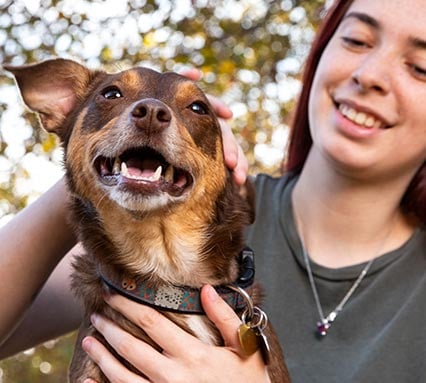
The Healthy Paws Community is a vibrant, social-first space for all pet lovers—whether you’re a Healthy Paws policyholder or simply passionate about pets. As a Pack Member, you can share your favorite pet photos and videos, connect with fellow pet parents, and stay informed with the latest Healthy Paws news and tips. It’s a welcoming place focused on connection, positivity, and celebrating the joy pets bring to our lives!

To put it simply, the best time to purchase pet insurance is before your pet requires veterinary care for a new accident or illness. In most cases, that means enrolling in a plan while your dog or cat is still young and healthy – before symptoms, diagnoses, or injuries have emerged that can affect coverage.
The timing matters because pet insurance is designed to help with future eligible accidents and illnesses, subject to policy terms, exclusions, and waiting periods. Puppies and kittens typically have a limited medical history, which can greatly reduce the chance that a condition will be treated as pre-existing. Adult and senior pets may still be eligible for useful coverage, but in their cases timing and existing records become more important.
This article explores when to get pet insurance based on factors such as your pet’s age, health history, breed, and lifestyle – and encourages those thinking about purchasing a policy to explore Healthy Paws as their insurer.
The core strategy: Securing coverage before you need it
The strategy can be boiled down to five words: Get coverage before something happens.
Here’s why: Pet insurance typically doesn’t cover pre-existing conditions. If your dog or cat becomes sick, gets hurt, or starts to show symptoms before the policy goes into effect or during the waiting period, any related treatment may not be eligible for reimbursement.
That’s why many pet owners explore coverage while their pet is healthy. A policy that’s already in place may help with future eligible vet bills – from emergencies to new illnesses – and makes it easier for pet parents to focus on making the best treatment decisions rather than on cost alone.
How pet insurance works: Understanding coverage and costs
Most pet insurance works on a reimbursement model: You pay the veterinarian at the time you receive care, then submit a claim for eligible expenses.
Key policy components
Before choosing a policy, it helps to understand these terms:
- Premium: The monthly or annual cost of the policy.
- Deductible: The amount you pay before reimbursement begins.
- Reimbursement rate: The percentage of eligible costs the insurer may repay after the deductible is met.
- Annual limit: The maximum amount the policy may reimburse during the policy year.These details affect both your monthly cost and your potential out-of-pocket expenses when your pet needs care.
These details affect both your monthly cost and your potential out-of-pocket expenses when your pet needs care.
Types of offerings
Common pet insurance options include:
- Accident and illness coverage: Designed to help with future eligible injuries and illnesses, such as broken bones, swallowed objects, infections, allergies, or cancer.
- Accident-only coverage: Limited to accidental injuries and does not generally cover illnesses.
Additional products relating to pet health include:
- Wellness add-ons or standalone wellness plans: Some pet insurers may offer wellness as an optional add-on to a pet insurance policy or as a separate standalone wellness plan offering. They may help with routine care such checkups, vaccines, and preventive services, and while they aren’t always offered as insurance products, they can be a great way to help pet parents budget for predictable routine pet health expenses.
Calculating the value
Low premiums are understandably attractive, but a lower premium often means absorbing greater upfront costs through a higher deductible, a lower reimbursement rate, or a lower annual limit. A higher premium, on the other hand, may end up providing stronger financial support should your pet later require expensive treatment.
When should I get pet insurance for a puppy or kitten?
Puppies and kittens usually have less of a documented medical history – which may mean fewer exclusions to be encountered later. By enrolling early on, pet parents are also more likely to make it through any mandatory waiting periods before a new accident or illness emerges.
New pet parents should consider the following timing-related factors:
- The accident-prone stage: Young pets are curious and often get into trouble, from falls to swallowing unsafe objects.
- Medical records: If a veterinarian documents a murmur, limp, skin issue, or other concern before enrollment, that issue may later be treated as pre-existing.
- Waiting periods: Coverage doesn’t begin immediately, so the earlier you can enroll, the better from a pre-existing conditions standpoint.
Getting insurance while your pet is young doesn’t guarantee that every future claim will be covered. But it may provide broader protection for future eligible conditions than waiting until after a problem has manifested.
Is it too late to get pet insurance if my pet is an adult or a senior?
Not necessarily. Adult and senior pets can still develop new accidents and illnesses that may be eligible for coverage. A healthy older dog could tear a ligament, for example, or an older cat might develop a sudden urinary blockage. Insurance may still be able to help with these new conditions, depending on the policy.
Still, older pets require closer review, because their medical history matters more. Existing conditions, past symptoms, and prior treatment may lead to exclusions.
Pet parents often explore purchasing coverage later in a pet’s life because:
- A healthy pet is getting older.
- Household finances have changed.
- The pet’s lifestyle or activity level has changed.
- They want to be more prepared for their future veterinary needs.
If you’re considering purchasing coverage for an adult or senior pet, make sure to review eligibility rules, waiting periods, exclusions, and sample policy language carefully.
How lifestyle and breed can influence decisions about when to purchase coverage
Lifestyle and breed don’t determine what will happen to a pet over its lifetime, but these factors may be useful in helping you think and plan ahead. A pet’s size, build, energy level, and daily environment all can affect the kinds of risks they face. That can influence when a pet parent decides to explore coverage.
Lifestyle factors to consider include:
- Highly active dogs: Running, hiking, swimming, and agility can increase exposure to orthopedic injuries and strain.
- Outdoor or indoor-outdoor cats: These cats face more risk from cars, fights, infections, and toxins.
- Multi-pet households: Play and shared spaces may create more chances for injuries or contagious illness.
- Frequent travel: Pets in unfamiliar settings may face different environmental and accident risks.
Some dog breeds are more susceptible to hereditary or congenital issues that can become costly if they appear after symptoms are first documented. It may be worth insuring these breeds early on:
- Bulldogs: Often face breathing issues and chronic skin problems.
- Pugs: May be prone to respiratory issues, eye injuries, and kneecap problems.
- Boston terriers: Can face eye conditions and allergies.
- Dachshunds: Their long backs are associated with intervertebral disc disease (IVDD).
- German Shepherds: May be predisposed to hip or elbow dysplasia.
- Cavalier King Charles Spaniels: Often monitored for mitral valve disease.
- Boxers: May face higher risk for some heart conditions and cancers.
Similarly, certain cat breeds are known to suffer disproportionately from hereditary health concerns that can make earlier enrollment worth considering.
- Scottish Folds: Associated with cartilage and joint problems.
- Persians: May face kidney disease and breathing-related issues.
- Sphynxes: Often monitored for heart disease and skin issues.
- Maine Coons: May be predisposed to hip issues and heart disease.
- Bengals: Associated with certain eye and digestive conditions.
Early enrollment doesn’t guarantee coverage for every future health issue, but it may prove beneficial if a hereditary concern becomes clinically apparent later on and wasn’t documented before the policy began.
What if my pet has already visited the vet’s office, manifested a symptom, or received a diagnosis?
Insurers typically review your pet’s medical history in order to identify conditions that existed before coverage began. Having visited the veterinarian’s office with your pet doesn’t automatically preclude you from buying pet insurance. But the reason for the visit matters:
- Routine wellness and preventive appointments: Routine exams, vaccines, and preventive visits are generally less concerning to insurers if the records show that your pet was otherwise healthy. In some cases, clear wellness records can even help establish a clean baseline of health before enrollment.
- Visits to investigate a new symptom or treat an injury: This is where the timing gets more important. If your pet showed signs of a problem before enrollment, related treatment may ultimately be considered “pre-existing” even if the diagnosis came later. For example, if your dog starts limping before the policy takes effect and is later diagnosed with a ligament injury, care associated with treatment may not be covered.
- Established diagnoses and ongoing conditions: An existing chronic or incurable condition is usually excluded from a new policy. But that doesn’t mean the policy has no value; it may still help protect against unrelated future conditions.
Some insurers also distinguish between curable and incurable pre-existing conditions by stipulating specific look-back or symptom-free periods. Review the policy language closely.
When is it too late to get pet insurance?
While obtaining pet insurance is often a financially wise choice for pet parents, there are some situations where getting a new policy may offer limited value.
If a pet is near the end of its life expectancy and already has several major pre-existing conditions, a new policy may end up excluding many of the expenses that the pet parent is most concerned about. In that case, paying premiums may make less financial sense than setting aside funds for care directly. Fundamentally, this is a personal financial decision that every pet parent to an older dog or cat has to make for themselves. Some will prefer the predictability of regular premium payments; others may decide that self-funding is more practical, especially if the anticipated exclusions are extensive.
If you’re unsure, ask your veterinarian for an honest view of your pet’s health outlook and likely future needs. Their input can help you make a more informed decision.
Conclusion: Insure your pet while it’s healthy
If you’re wondering when the optimal time is for purchasing pet insurance, the clearest answer is: while your pet is healthy and before a new accident, illness, or diagnosis alters their medical record.
While it’s true that this is easier to do when dealing with a puppy or kitten, coverage options for adult and even senior pets may still be worth exploring. The key is in understanding how factors such as timing, breed, waiting periods, and pre-existing conditions can affect what a policy may or may not cover.
A well-structured and well-timed pet insurance policy may help you manage future veterinary costs with far more confidence and far fewer financial surprises. When comparing plans, review the policy details carefully and ask questions about exclusions, reimbursement levels, and eligibility – and take the time to investigate the ways that Healthy Paws approaches coverage, exclusions, pre-existing conditions, and other key aspects of a policy.
This material is intended as general information only. Please consult with a licensed insurance agent for any insurance-related questions you may have regarding your individual circumstances.
Healthy Paws, a Chubb Company, is the marketing name used to refer to the pet insurance products underwritten and provided by ACE American Insurance Company, Westchester Fire Insurance Company, Indemnity Insurance Company of North America, ACE Property and Casualty Insurance Company and Atlantic Employers Insurance Company and one or more of their U.S. based Chubb underwriting company affiliates.
Chubb is the marketing name used to refer to subsidiaries of Chubb Limited providing insurance and related services. For a list of these subsidiaries, please visit our website at www.chubb.com. This communication contains product summaries only. Coverage is subject to the language of the policies as actually issued.
These pet insurance products are offered through Chubb Insurance Solutions Agency Inc. (CISA) (California license no. 0D12120). Surplus lines insurance sold only through licensed surplus lines producers. Chubb, 202 Hall's Mill Road, Whitehouse Station, NJ 08889-1600.

Meet Our Writer
James Staines
James Staines is AVP of Marketing & Media at Healthy Paws, a Chubb Company. With two decades of marketing experience, he drives brand awareness, content strategy, and media — leading cross-functional teams of marketers, designers, and copywriters dedicated to growing the Healthy Paws brand.