
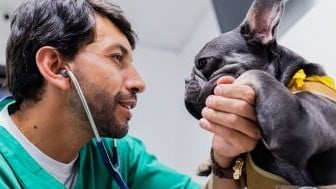
Learn how and why veterinary bills are increasing, and how a Healthy Paws plan can help.

Healthy Paws protects pets like family and makes peace of mind and more happy, healthy moments possible. Pet parents and industry reviews tell the story.

Rescue organizations across the U.S. received support for adoption efforts and ongoing care for vulnerable pets.

Make their food irresistible with the freshest nutritionally-balanced ingredients.
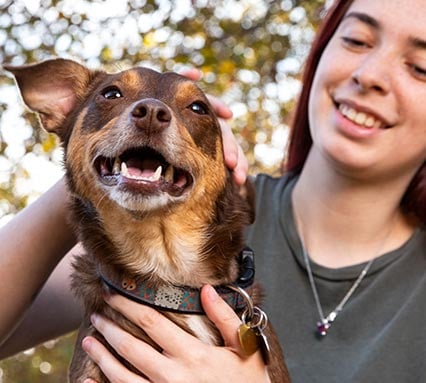
The Healthy Paws Community is a vibrant, social-first space for all pet lovers—whether you’re a Healthy Paws policyholder or simply passionate about pets. As a Pack Member, you can share your favorite pet photos and videos, connect with fellow pet parents, and stay informed with the latest Healthy Paws news and tips. It’s a welcoming place focused on connection, positivity, and celebrating the joy pets bring to our lives!

Key Takeaways:
- Study from Healthy Paws and Money.com shows insured pet owners report lower out-of-pocket vet bills and greater peace of mind in emergencies
- 45% of pet parents paid $1,000 to $5,000 for emergency vet visits without pet insurance
- Lowest puppy monthly premium is $7.66; lowest kitten monthly premium is $2.84
- Health for Animals report anticipates a 124% increase in spending on pets by 2037 including ever-rising vet bills
- Enrolling in pet insurance early protects your dog or cat for as long as possible and helps secure a smart financial plan
The playful puppy you’ve fallen in love with now seems lethargic. Your sweet kitten becomes clingy and more vocal. An eater who used to be enthusiastic at mealtime skips meals to sleep more. And the tiny furball who used to revel in being picked up now cries instead of snuggles.
Clues something’s wrong can show up quickly. But you don’t want to add urgency to the emergency by waiting to safeguard them and figure out if pet insurance is worth it for a puppy or kitten.
The Financial Question Pet Owners Should Ask
As anyone with a new four-pawed little one at home might ask: Is pet insurance financially worth it for a puppy or kitten?
Seasoned pet parents agree that enrolling the smallest members of their family early ensures they have support for covered accidents, injuries, illnesses, and emergencies that’s a wise financial move over their adored pet’s lifetime.
And the data backs it up. A study from Healthy Paws and Money.com shows insured pet owners report lower out-of-pocket vet bills and greater peace of mind in emergencies; especially the 45% of pet parents who paid $1,000 to $5,000 for ER visits.
The cost for pet insurance for younger pets is typically lower than the cost for older pets, so having pet insurance from the beginning may cost less than a new pet parent may think. In addition, insuring your pet early in life helps creates a significant layer of protection for health and wellness issues that may arrive as your puppy or kitten reaches adulthood.
Why Timing Matters: When to Get Pet Insurance
Some pet parents hold off on buying pet insurance thinking it’s the smarter cash savings tactic...until an accident or sickness occurs and they wish they knew more about puppy and kitten insurance costs and benefits sooner.
Instead of waiting until they reach adulthood, which could be from one to three years-old, protecting your tiniest pet early provides comfort and security, and premiums may be lower than you expect.
Monthly Cost
Source: Healthy Paws
| Cost | Puppy (0-12 months) | Kitten (0-12 months) |
|---|---|---|
Average Monthly Cost of Pet Insurance |
$47.00 |
$22.34 |
Lowest Monthly Pet Insurance Payment |
$7.66 |
$2.84 |
Highest Monthly Pet Insurance Payment |
$175.47 |
$64.11 |
Getting pet insurance for your pet early helps you obtain the best lifetime care for your puppy and kitten. Waiting until later in the pet’s life may increase the chance of the pet having pre-existing conditions when you decide to buy later. Most pet insurance policies exclude pre-existing conditions, including illnesses, conditions, injuries, or complications that developed or redeveloped prior to the effective date of your pet insurance policy.
Although certain curable conditions that have fully resolved may not be subject to pre-existing conditions exclusions, pre-existing conditions are a legitimate factor in the importance of enrolling early. To have valuable ongoing protection for years to come, evaluating puppy and kitten insurance costs now is the prime way their policy enrollment includes as much health help as possible.
The Data: Early Enrollment in Pet Insurance = Better Protection Overall
The Financial Case for Enrolling Early
As your pet ages and health concerns stack up, the benefits realized by early enrollees become clear as they stay healthier and have coverage for more illnesses and accidents – with less concern for pre-existing conditions exclusions - year after year.
If you use the US Finance Calculator online tool, you can set parameters like age, breed, lifespan, location, premium, deductible, reimbursement rate, annual limit, and annual vet costs to see what this third-party tool estimates as a Return on Investment ([DT1] ) on pet insurance specific to your situation. These calculations are designed to estimate the financial impact for enrolling your puppy or kitten, and show you a roadmap to avoid extensive vet bills for health issues arriving with age.
The Rising Cost of Pet Insurance Over Time
Of pet parents participating in Healthy Paws and Money.com’s study, 75% said having pet insurance significantly reduced their out-of-pocket expenses, 87% said they had greater peace of mind, and 84% said they’d recommend it to others.
Averages in the study showed $62 for dogs and $32 for cats for monthly premiums. Yet the financial impact for puppy and kitten parents on major medical bills and feeling ease when deciding on care had a longer safety net than those enrolling seniors over seven years old.
Waiting just a few years until your puppy or kitten is older also leaves more uncertain room for accidents, conditions, illnesses, and injuries to happen with little four-pawed ones exploring the world for the first time.
Pre-Existing Conditions: The Hidden Cost of Waiting
Holding off because you’re wondering whether pet insurance is worth it for a puppy or kitten, or because you’re questioning how much kitten or puppy insurance costs, allows more time for conditions to arise that may later be deemed pre-existing, and subject to pet insurance policy exclusions.
Pre-existing condition means any illness, condition, injury, or complication, which developed or redeveloped prior to your pet’s policy effective date and before the end of your state-dependent waiting period.
Other than certain curable and fully resolved conditions like conjunctivitis, roundworm, and respiratory infections, conditions like cruciate ligament tears, gastritis, or heart or liver disease, some of the top conditions pet insurance covers, could be deemed pre-existing conditions depending on when symptoms arise, and have a greater chance of being subject to pre-existing conditions exclusions the longer you wait to enroll.
Like wild animals, puppies and kittens may hide illnesses and injuries as long as possible and typically until they’ve progressed to later, more critical stages. This may cause minor health mishaps to become difficult or painful, and costly, medical expenses later.
Your kitten or puppy has the opportunity to limit the number of pre-existing conditions that might arise by enrolling in pet insurance earlier than later in life.
VEG ER for Pets, a national chain of 24/7 pet emergency hospitals, states that some of the most common puppy and kitten emergencies they see are:
- Ingesting/choking on an object and/or intestinal blockage (rocks, hair ties, pieces of toys, rubberbands, plants, socks, coins, strings/thread)
- Vomiting and diarrhea
- Refusal to eat or drink
- Urinary blockages
- Parasites (fleas, roundworms, hookworms, coccidia, ear mites)
- Respiratory distress
- Allergic reactions (stings/bites, medications, food, itching, swelling, hives)
- Broken bones from playing too hard, tripping, or jumping
- Nasal or eye discharge
The Reasons: Why Early Insurance is The Smarter Financial Move
Lower Monthly Premiums Apply for Younger Pets
How much does puppy or kitten insurance cost? An 8-week-old puppy or kitten’s pet insurance policy starts much lower than if you were to wait two or three years to enroll while stacking up potential health issues, accidents, or illnesses.
For Healthy Paws, premiums vary by location, breed and other factors, but the lowest puppy monthly premium is $7.66 while the lowest kitten insurance cost is $2.84. These premiums may not be available in all states but they can give you an indication or glimpse of a premium range for a young pet. Buying pet insurance while your pet is young is a great way to help protect their health and your financial exposure to vet costs.
The Healthy Paws/Money.com 2026 study found 31% of pet parents already spend more on their pet than a year ago and 28% expect the financial costs to increase. To keep up with increasing vet bills (the study found 29% of pet owners spend more than $100 each month at the vet,) pet insurance for your puppy or kitten can be a wise financial step to take.
Pre-Existing Conditions Won't Derail Your Coverage
Although cost is a large ingredient, considering when to get pet insurance must also include factoring in pre-existing conditions and how waiting affects coverage. One of the main reasons pet insurance is worth it for a young kitten or puppy is because the younger they are, the less likely they are to have health issues that create permanent conditions that will be deemed pre-existing and subject to pre-existing conditions exclusions when purchasing insurance later in life.
Some top covered conditions, like ear mites or allergies, nasal or eye discharge, or eating something they shouldn’t that causes an expensive surgery or long-term care, could become chronic conditions that either aren’t covered or are expensive to care for.
With pet insurance, taking your kitten or puppy straight to the vet when symptoms surface is generally the best course of action. They receive the care they need while potentially reducing the risk that the condition will escalate into something more debilitating or lifelong, and you appreciate peace of mind that early enrollment in pet insurance helped their health. Instead of feeling financial strain, your puppy or kitten is loved on by you and cared for by a diligent vet staff.
Accidents Happen When You Least Expect (And Can Afford) Them
Nobody expects to hear their tiny kitten or puppy vomiting in a corner at 2 a.m. or yelping when they jump from the couch and crush the carpet. But injuries and illnesses occur at any age, but the best time to get pet insurance is before these incidents arise.
Since puppies and kittens explore their world thoroughly, curiosity can get the better of them. A little piece of plastic from a toy ends up swallowed. A brush up against that new house plant gives them hives. A grape falls off the counter and is gone before it hits the floor. A move to a new state ends up in fleas...for everyone.
Pet insurance is designed to provide support in these types of cases. But without pet insurance, you’ll be paying out-of-pocket for these and the conditions below:
Healthy Paws’ Pet Insurance Claim Payouts For Most Common Treatments
| Health Condition | Treatment Reimbursement 2025 Paid to Pet Parents | Percent Increase in Reimbursement Payouts 2020 to 2025 |
|---|---|---|
Gastritis |
$354 |
1.1% |
Growth/Mass |
$795 |
41.1% |
Cruciate Ligament |
$1,056 |
15.7% |
Cancer |
$819 |
49.4% |
Abdominal |
$2,037 |
89.4% |
Pain |
$167 |
7.8% |
Skin |
$143 |
20.2% |
Heart |
$344 |
30.5% |
Foreign Body |
$1,541 |
45.1% |
Liver Disease |
$313 |
23.1% |
Instead of hesitating on treatment, adding to credit card debt, or pulling large sums from savings, pet insurance could cover a majority of your unanticipated new injuries, illnesses, accidents, and conditions without the potentially big hit to your finances.
Vet Costs Are Rising
Department of Labor data shows veterinary care fees climbed 43% from 2021 to 2026, which makes pet insurance even more worth it for a kitten or puppy.
Healthy Paws’ own claims data shows the average vet bill was $392 in 2025, which was 32% more than in 2020. And health issues like abdominal problems, cancer, and consuming a foreign body aren’t just the most common conditions, they’ve risen the fastest in cost.
Health For Animals’ Global State of Pet Care 2022 report found that the average life expectancy of dogs in the US increased 11.4% from 2002 to 2016 from 10.5 years to 11.8 years, and housecats now live twice as long as feral cats.
Because owners better understand their pets’ health needs and have regular vet visits with preventative care, our loved animals enjoy higher quality lives for longer, but that also means in the five or 10 or 15 years we adore them, those vaccinations, exams, and emergencies will increase in cost at the vet.
Increased length of veterinary care plus increase costs per service, even with prevention, early intervention, and nutrition means increasing investments in care. The Health for Animals report shows an estimate of $123 billion consumer spending on pets in 2021 will inflate to $275 billion by 2037.
This 124% increase in veterinary costs over just a handful of years can help pet parents evaluate whether pet insurance is worth it for their kitten or puppy.
The Financial Verdict: Early Enrollment Wins
Fuzzy and adorable, that’s how you want your new puppy or kitten to stay; not to have to fight through a health crisis or emergency visit, or have their tough issue excluded under their pet insurance policy as a pre-existing condition.
Enrolling early in pet insurance helps reduce the exposure to expanding vet expenses. And data shows pet parents enjoy lower out-of-pocket costs and protect their beloved pet over a lifetime of potential accidents, illnesses, injuries, and conditions. As pets live longer than ever, this is another factor consider when weighing the advantages of pet insurance.
By starting your newest family member’s pet insurance policy when your puppy and kitten are young, you may find insurance costs lower than you thought and at the same time allow you to feel the ease of getting them treatment the moment they need it; not after sweating over a pricey vet invoice.
Spend a few moments looking through how you can protect your puppy or kitten with Healthy Paws Pet Insurance and start your journey to better peace of mind now.
Healthy Paws, a Chubb Company, is the marketing name used to refer to the pet insurance products underwritten and provided by ACE American Insurance Company, Westchester Fire Insurance Company, Indemnity Insurance Company of North America, ACE Property and Casualty Insurance Company and Atlantic Employers Insurance Company and one or more of their U.S. based Chubb underwriting company affiliates.
Chubb is the marketing name used to refer to subsidiaries of Chubb Limited providing insurance and related services. For a list of these subsidiaries, please visit our website at www.chubb.com. This communication contains product summaries only. Coverage is subject to the language of the policies as actually issued.
These pet insurance products are offered through Chubb Insurance Solutions Agency Inc. (CISA) (California license no. 0D12120). Surplus lines insurance sold only through licensed surplus lines producers. Chubb, 202 Hall's Mill Road, Whitehouse Station, NJ 08889-1600.

Meet Our Writer
Mandy Ellis
Mandy Ellis is an Austin-based freelance pet and insurance content marketing writer, content strategist, messaging and positioning strategist, and fractional CMO working for startups and Fortune 500 companies. In addition to writing for dozens of clients over the last 13+ years, she’s had and loved dogs all her life, including her current Great Dane-mix, Clementine.