
Learn how and why veterinary bills are increasing, and how a Healthy Paws plan can help.

Healthy Paws protects pets like family and makes peace of mind and more happy, healthy moments possible. Pet parents and industry reviews tell the story.

Rescue organizations across the U.S. received support for adoption efforts and ongoing care for vulnerable pets.

Make their food irresistible with the freshest nutritionally-balanced ingredients.
The Healthy Paws Community is a vibrant, social-first space for all pet lovers—whether you’re a Healthy Paws policyholder or simply passionate about pets. As a Pack Member, you can share your favorite pet photos and videos, connect with fellow pet parents, and stay informed with the latest Healthy Paws news and tips. It’s a welcoming place focused on connection, positivity, and celebrating the joy pets bring to our lives!

Introduction to Chow Chows
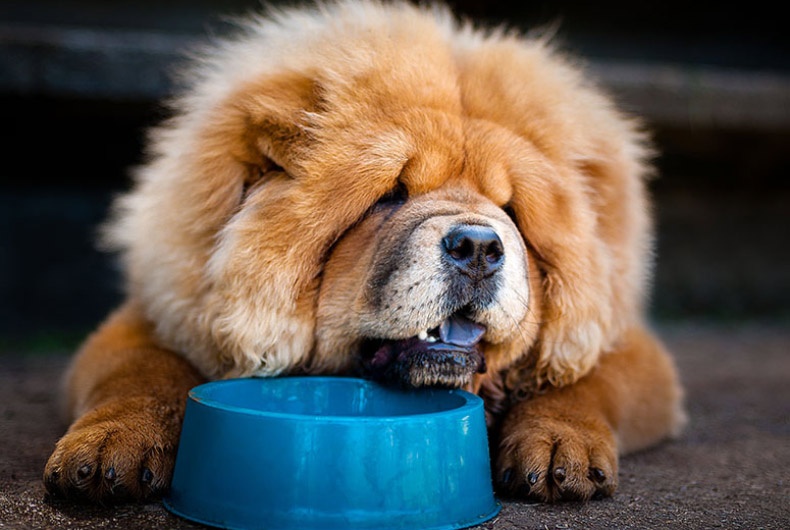
An ancient dog breed is the chow chow, which resembles a lion and is known for its unique blue-black tongue. These intelligent and dignified dogs originated in China and have many attractive qualities, such as being essentially odor-free, housetraining easily, and requiring little exercise. Despite their size, they do well in city life and have a self-assured demeanor. Even though chow chows have gotten a reputation for being aggressive, they can be faithful companions and loyal family dogs when they are properly socialized and cared for.
Here are all the things you need to know about the chow chow breed before you bring one of these amazing dogs into your home.
Size of Chow Chows
A fully grown chow chow should weigh 45 to 70 pounds and stand, on average, 17 to 20 inches tall. They typically stop growing around one year of age but will continue to gain a little weight until they are 18 months old or so.
Here’s how big you can expect your chow chow to get as the dog grows from puppyhood to adulthood:
| Weight Chart | 3 months | 6 months | 9 months | 12 months | 18 months |
| Male chow chow | 16 – 27 lbs. | 40 – 56 lbs. | 42 – 62 lbs. | 48 – 68 lbs. | 50 – 70 lbs. |
| Female chow chow | 15 – 25 lbs. | 36 – 52 lbs. | 40 – 60 lbs. | 43 – 63 lbs. | 45 – 65 lbs. |
Characteristics of Chow Chows
Chow chows are dogs with strong personalities and a distinctive sense of self. They are protective and loyal dogs initially bred to be skilled at guarding, hunting, and pulling carts. Chow chows tend to be cautious around strangers and aloof around people they don't know well. However, they are very loyal to their family members and make fantastic watchdogs. Although chow chows are not the most outwardly affectionate dogs, they still bond with the people they are closest to and make wonderful additions to a household when properly socialized.
As you get to know a chow chow’s personality, here’s what you can expect based on his or her breed characteristics:
| Breed Characteristic | Level (High, Medium, Low) |
| Affectionate with People | Medium |
| Good with Kids | Low |
| Good with Pets | Low |
| Need for Exercise | Low |
| Energy Level | Low |
| Intelligence Level | Medium |
| Able to Be Trained | Medium |
| Amount of Barking | Medium |
| Amount of Shedding | High |
History of Chow Chows
Chow chows are among the oldest dog breeds in the world and have been depicted in artifacts dating back to China's Han Dynasty in 206 B.C. However, historians believe that the breed goes back much further than this and is linked to spitz-type breeds, such as the Norwegian elkhound and the Pomeranian. Chows were companions to Chinese nobles and exhibited at the London Zoo in the 1820s as "wild dogs of China."
Queen Victoria acquired one later in the 1800s, and the first chow chows were exhibited in America in the 1890s. The American Kennel Club recognized the breed in 1903. The home and lifestyle guru Martha Stewart became known for her chow chows that made appearances on her television shows.
Chow Chow Standard Information
Chow chows were originally bred as working dogs that were powerful, sturdy, and muscular with a medium size. Their bodies are compact, their heads are large, and their expressions typically appear serious.
Here is an overview of the breed standard information for chow chows:
Head:
- Large head that is proudly carried
- Scowling, dignified, snobbish, and independent expression
- Dark brown eyes that are deep-set and wide apart
- Small, moderately thick, and triangular-shaped ears
- Short muzzle in comparison to the length of the top skull
- Large and broad nose with open nostrils
- Solid black mouth is ideal
Neck, Topline, Body:
- Strong, full, and well-muscled neck
- Short, compact, and broad body
- Tail set high and carried closely to the back
Forequarters:
- Strong shoulders that are well-muscled
- Forelegs appear parallel and widely spaced
- Dewclaws may be removed
- Feet are round, compound, and cat-like
Hindquarters:
- Heavy in bone with the rear and front bone about equal
- Hock joint well let down and almost straight
- Metatarsals short and perpendicular to the ground
- Dewclaws may be removed
- Feet same as in the front
Coat:
- Coat can be rough or smooth, but both are double-coated
- Tail is well-feathered on rough coats, and coat length varies greatly
- No ruff or feathering on the legs or tail on smooth-coated chow chows
Color:
- Red, black, blue, cinnamon, and cream colorations
- All of these colors are judged on an equal basis
Gait:
- Somewhat lacking in speed but excellent endurance
- Straight rear leg provides usable and efficient power

Caring for Chow Chows
Because of the chow chow's nature and breeding over the years, they often do best as the only pets in a household. Compared to other dog breeds, they are not the most ideal companions for other dogs, cats, or young children. But with early socialization and good training, they can overcome these stereotypes and do very well in a family setting.
These dogs are not overly energetic but still require some exercise every day. They do require regular grooming and shed heavily twice a year.
Here are some general tips for taking the best care of a chow chow:
Best Living Environments:
- Only pet in the house
- Adapt well to city life
- Households with a knowledgeable owner
- Colder climates
Type of Exercise:
- Generally low exercise needs
- Two 15- to 30-minute walks per day
- Alternatively, one long walk per day
Mental Enrichment:
- Time outside in a fenced yard
- Leashed walks at least once a day
- Relaxing days around the house with family
Training Strategies:
- Easy to housetrain
- Crate training is recommended
- Start socialization at an early age
- Life-long socialization and training using only positive reinforcement
Grooming Tips:
- Brush two to three times per week
- Extra maintenance during twice-yearly shedding
- Trim nails as needed
- Brush teeth daily

Common Health Problems of Chow Chows
The average life expectancy of a chow chow is eight to 12 years. Although this breed is relatively healthy, there are still certain health conditions that chow chows are prone to. When you have pet insurance through Healthy Paws, you can focus more on getting your chow chow the necessary veterinary care and less on the cost of the bills.
These are some of the most common health issues that arise with chow chows:
- Hip dysplasia
- Elbow dysplasia
- Patellar luxation
- Hypothyroidism
- Bloat
- Entropion, cataracts, and other eye problems
- Skin allergies
- Sebaceous adenitis
- Alopecia X
The Orthopedic Foundation of America (OFA) recommends the following health screenings for chow chows that are going to be part of a breeding program:
- Eye examination
- Elbow dysplasia
- Hip Dysplasia
- Autoimmune thyroiditis
- Patellar luxation
- Cardiac examination (optional but recommended)
Before purchasing a chow chow puppy, ask the breeder to show you the results of their breeding dogs’ health screening tests.
Diet and Nutrition for Chow Chows
Chow chows are at elevated risk for gastric dilatation-volvulus (bloat), which is why it is important to feed your adult dog two to three meals per day rather than just one large meal daily. Also, don’t feed your chow chow right before they go out to exercise or play. You can also try using a slow-feeder bowl with your chow chow to prevent bloat.
Most adult dogs will thrive when eating a high-quality, nutritionally complete and balanced dog food. Chow chow puppies should eat a large breed puppy food until they are around 12-18 months old. If you feed your dog homemade food, make sure you are working from a recipe that is designed by a veterinary nutritionist and is appropriate for your dog’s age and health status.
Feed the amount of dog food needed to keep your pet slim. You should be able to feel their ribs without having to press too hard. In general, puppies need more calories per day than adults, but a dog’s needs will vary with their activity level and other factors. Don’t leave food out all day for a chow cow to graze on. Divide the total amount of food for the day into at least two or three meals for adults and three or four meals for puppies. Place the food out in a bowl at approximately the same times each day.
Talk to your veterinarian if you have any questions about your chow chow’s diet or health.
Where to Adopt or Purchase Chow Chows
If you are ready to bring one of these “lovable lion” dogs into your home, there are options to purchase or adopt a pet. The Chow Chow Club, Inc. is a member of the American Kennel Club and the parent club for this breed. It offers a directory of breeders in the U.S., Canada, and internationally.
If you prefer to find a chow chow through a shelter or rescue group, there are local and regional organizations dedicated to this breed in various parts of the country. For example, you can contact the Chow Chow Rescue of Central New York or the Chow Chow Rescue of Maryland, which are nonprofit rescue groups. Many shelters have dogs that are mixes of chow chows and other breeds as well.
Related Breeds
Chow chows are certainly a unique breed of dog, but there are other breeds that you might want to look into also before making a final decision about a new pet. Here are some similar and related breeds to the chow chow:
- Chinese shar-pei
- Akita
- Hokkaido
- Great Pyrenees
- Pekingese
- Keeshond
- Leonberger
- Pomeranian
- Newfoundland
Pet Insurance for Chow Chows
To help you take the very best care of your dog, Healthy Paws offers chow chow insurance with the #1 customer-rated pet insurance plan for the past seven years. Our plan covers everything from accidents to illnesses, cancer care, genetic and hereditary conditions, emergency care, breed-specific conditions and alternative care so you can make the best decisions for your chow chow’s health. You can visit any licensed vet you trust and simply submit vet bills to us through our mobile app.
For peace of mind and more happy days with your pup, get your chow chow pet insurance quote on our website today!
Meet Our Writer
Christy True
Christy wrote about pets for Healthy Paws for 35 dog years. A background in journalism may be why she enjoys writing about offbeat animal studies and the latest viral pet trends. She has been owned by several dogs, including current pup Nelson, a rescued mini-Aussie, and she volunteers with a local dog rescue. In her free time, she can usually be found sliding down a mountain near her home in Bend, Ore. with Nelson in hot pursuit.